A Blossoming Affair with Climbing Roses
I still remember the first time I laid eyes on a climbing rose gracefully twisting its way up a garden trellis at my grandmother's house. Its tendrils seemed to want to reach the sky. As a child, I spent countless summer afternoons mesmerized by its beauty, feeling as though I had stumbled upon a secret world. The rich tapestry of colors and gentle fragrance shaped my love for gardening. That climbing rose wasn't just a plant; it was a symbol of beauty, resilience, and elegance that clung to their firm roots yet aspired to grow ever upwards.
Years later, my passion for gardening inevitably led me to experiment with growing climbing roses from seeds, an endeavor both challenging and rewarding. In this guide, I'll help you discover some of the most splendid climbing rose varieties available from seeds, providing you with the knowledge and inspiration to transform your garden into a thriving floral masterpiece.
Why Grow Climbing Roses from Seeds?
The Allure of Seeds
Growing roses from seeds offers a canvas rich with possibilities. Unlike established plants or cuttings, seeds carry the potential for unique and unexpected variations, driven by the mysteries of genetic diversity. With a little patience and care, you might cultivate something unparalleled, like a unique shade or new fragrance. This journey leads to the profound joy of nurturing a life from its humble beginnings.
Cost-Effective Gardening
Another compelling reason for starting from seeds is the cost. Buying seeds is inherently cheaper than purchasing mature rose plants. Additionally, seeds provide a greater abundance. A single pack of well-curated rose seeds might contain dozens, giving you ample opportunity to fill your garden—or to try, try again when some seedlings inevitably don't make it past the delicate early stages.
Selecting Climbing Rose Varieties
Understanding the Basics
Choosing the right climbing rose variety begins with understanding your own garden. Consider your climate, available space, and where you envision your roses growing. Some roses require more sun, while others tolerate partial shade. Knowing your zone will help you select varieties that will thrive with a stronger foundation.
Classic Climbing Roses
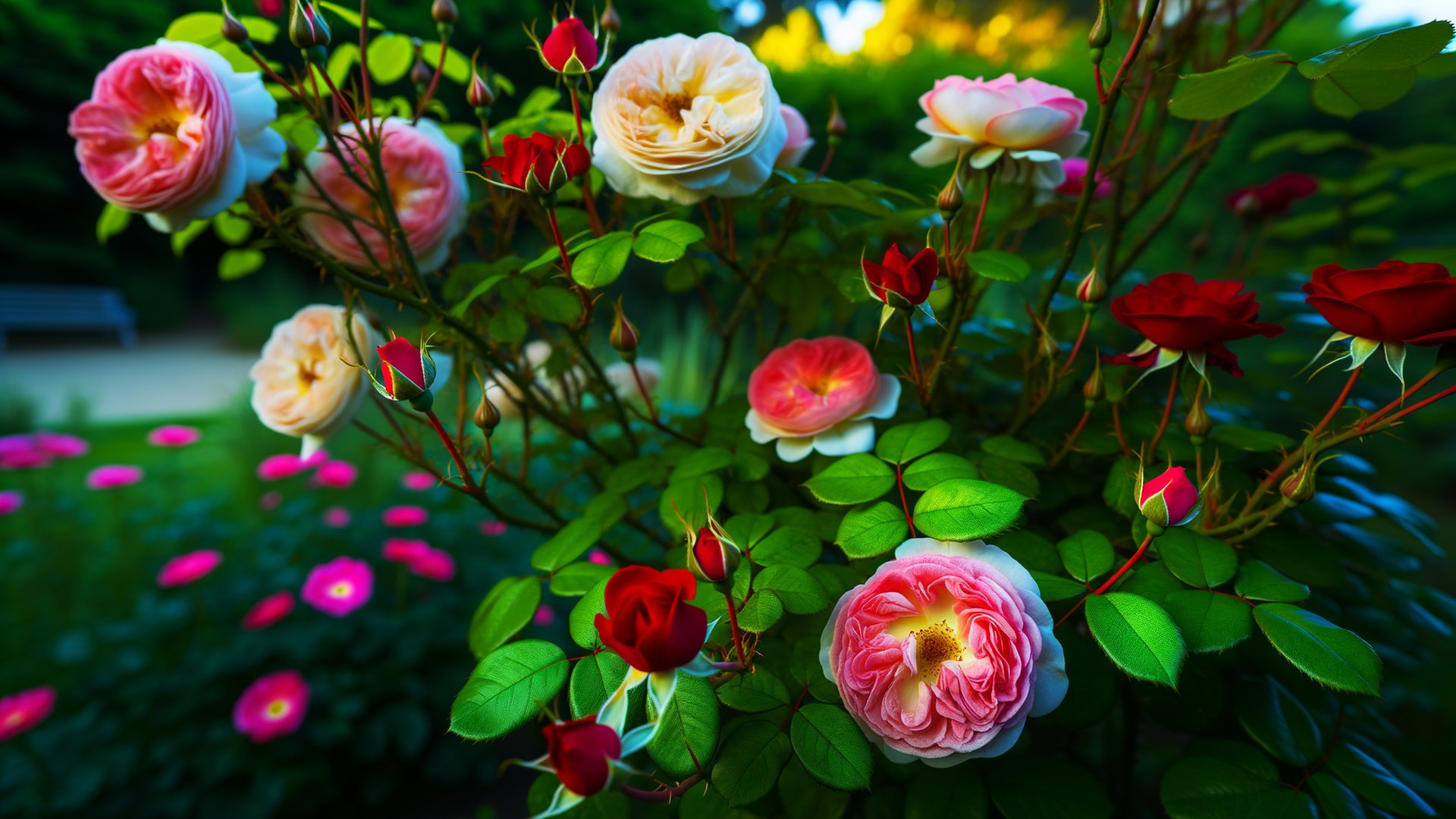
- Royal Sunset: A phenomenal variety with apricot-orange blooms that carry a delicious fruity fragrance. They bloom abundantly, creating a spectacular display on any trellis.
- New Dawn: Known for its rapid growth and resiliency, 'New Dawn' produces soft pink flowers and thrives in most climates, making it perfect for novice gardeners.
- Eden: Also known as 'Pierre de Ronsard', this variety captivates with its large, creamy-white flowers flushed with pink. It's a romantic’s dream climbing rose.
Rare and Unique Varieties
- Veilchenblau: This distinct variety breaks traditional coloring with its violet-blue flowers. While the blooms are semi-double, they're a conversation starter in any garden.
- Lady Banks' Rose: Producing yellow or white clusters of flowers, it’s nearly thornless and known for being an early bloomer—ideal for gardens that spring awake early.
- Alchymist: This rose variety is for those seeking something truly unique. With blooms that transition from shades of yellow to peach to pink, it's a living work of art.
Cultivating Climbing Roses from Seeds
Preparing the Seeds
Begin with “stratification,” a process of simulating natural conditions that seeds must endure before germination. Place seeds in a mix of moistened sand and peat moss inside a sealed bag. Store this in your refrigerator for 6-10 weeks. This vital step tricks the seeds into thinking they've experienced winter, thereby jumpstarting their growth cycle.
Sowing and Germination
After stratification, sow the seeds in a quality seed-starting mix, potting them into small containers or seed trays. Plant at a depth of ¼ inch, covering gently with soil. Maintain a temperate environment with indirect light, keeping the soil consistently moist—never waterlogged. Patience is key; germination can take up to several weeks.
Transplantation and Training
Once your seedlings have established a few sets of true leaves, they are ready to be transitioned outdoors. Acclimate them gradually to outdoor conditions over a period of 7-10 days. When ready, choose a permanent spot with adequate support. Train your climbing roses to grow along structures by gently tying the shoots. This training encourages upward growth and facilitates a stunning flowering display.
Caring for Your Climbing Roses
Pruning Techniques
Pruning is essential for promoting new growth and shaping your climbing roses. In late winter or early spring, remove any dead or damaged canes. Focus on creating an open framework that allows sunlight and air to penetrate. Additionally, always prune lateral branches to encourage the roses to spread along their supports.
Feeding and Fertilizing
Roses are famed gluttons when it comes to nutrients. Use a balanced, slow-release fertilizer formulated specifically for roses, beginning in early spring and again in mid-summer. This feeding schedule provides the essential nutrients needed for robust blooms and lush foliage.
Disease and Pest Management
Be vigilant against pests like aphids, spider mites, and several fungi diseases, including powdery mildew and black spot. Natural solutions like insecticidal soaps, neem oil, and regular inspections can mitigate many common issues. Remember, healthy plants are also the best defense against many problems.
FAQs
How long does it take climbing rose seeds to germinate?
The germination process for climbing rose seeds can take between four to twelve weeks once they've undergone stratification. Patience is essential!
Do climbing roses require a lot of water?
Climbing roses need regular watering, particularly during dry spells. However, ensure the soil drains well, as root rot from overwatering can be detrimental.
What is the best time of year to plant climbing roses from seeds?
It's best to start the seeds indoors in late winter, moving them outside after your region's last frost date. This gives the seedlings the most growing time during the temperate months.
Can climbing roses grow in partial shade?
Most climbing roses thrive best in full sun for at least six hours daily. However, some varieties, such as 'New Dawn', can tolerate partial shade.
How tall can climbing roses grow?
Given the right support and conditions, climbing roses can grow between 6 to 15 feet in height, depending on the variety.
Are climbing roses perennial?
Yes, climbing roses are perennial and will return year after year with proper care and maintenance.
What are common pests for climbing roses?
Common pests include Japanese beetles, aphids, and spider mites. Regular monitoring and natural insecticides can help keep them at bay.
How can I encourage more blooms on my climbing rose?
Regular feeding with a rose-specific fertilizer, consistent watering, and pruning of spent blooms encourage more flowers.
Do climbing roses have thorns?
Most climbing roses feature thorns to protect them from herbivores; however, varieties like the Lady Banks' rose are nearly thornless.
Are climbing roses different from rambling roses?
Yes, climbing roses and rambling roses differ in growth patterns and blooming times. Climbers grow steadily and have larger, more sporadic blooms, whereas ramblers bloom prolifically on older wood all at once early in the season.
Discussion (0)
No comments yet. Be the first to start the conversation!
Leave a Reply