

A Journey Into the World of Lawn Aeration
Once upon a time, in the quaint town of Greenfield, nestled among budding hills and blossoming gardens, a young couple embarked on the exhilarating journey of creating their perfect home. This home wasn’t just a house; it was a vision of their dreams held together by bricks, beams, and an azure carpet of grass—a lawn that seemed to dance with the whispering winds. They had poured their heart and soul into nurturing this stretch of greenery since it was nothing but seeds scattered on bare earth a year ago. Now, with the lawn reaching its one-year milestone, they stood at a crossroad pondering—could they aerate their one-year-old lawn, and how crucial was it for its ongoing vitality?
It was a question that led them to countless inspirational tales and expert anecdotes about lawn aeration—a concept that promised to breathe life into their cherished green space. Let's delve into this journey and unearth the secrets behind lawn aeration, sharing the joy, the caution, and the freedom of discovery.
Introduction to Lawn Aeration
Lawn aeration is like hitting the refresh button for your lawn. It’s a rejuvenating process that significantly enhances the overall health of your grass. Aeration involves perforating the soil with small holes to allow air, water, and nutrients to reach the grassroots. This process helps the roots grow deeply and produces a stronger, more vigorous lawn.
Why Aerate a Lawn?
Aerating your lawn prevents soil compaction. Compacted soils, often caused by foot traffic or mechanical stress, have few spaces or pores to hold air and water. This can lead to a weakened root system and an overall unhealthy lawn. Aeration alleviates compaction by creating spaces where nutrients and moisture can penetrate the soil.
How Often Should You Aerate?
For most lawns, especially those experiencing frequent usage, aerating once a year is generally sufficient. However, if your lawn suffers from problems such as thatch buildup or compaction, more frequent aeration might be necessary.
Can You Aerate a One-Year-Old Lawn?
Now let's focus on the pivotal question—Is it appropriate to aerate a one-year-old lawn? The short answer is: Yes, you can aerate a one-year-old lawn, but with a few considerations in mind.
Considerations for Aerating Young Lawns
-
Grass Type and Soil Conditions: Different grass species and soil types influence the timing and need for aeration. For instance, cool-season grasses like fescue are best aerated in early fall or spring, while warm-season grasses, such as Bermuda, benefit from aeration during late spring or early summer. Always ensure that your grass has established a substantial root system, typically after being in place for at least a year.
-
Signs Your Lawn Needs Aeration: Look for indications that your lawn might need aeration—water puddling on your grass, thin growth despite proper fertilization, or heavy foot traffic compaction.
-
Thatch Buildup: If your lawn has an inch of thatch or more, it could benefit from aeration. Thatch is the layer of dead grass and roots that sits between the soil's surface and the live green grass. While some thatch is healthy, too much can prevent air, water, and nutrients from reaching the roots efficiently.
The Best Time to Aerate
Timing is crucial to lawn aeration. For a one-year-old lawn, it's often best to wait until you see the signs mentioned earlier or till you reach a full growing season. Plan your aeration around the active growth period of your grass—it ensures that any damage from aeration is quickly repaired by healthy, new growth.
Aeration Tools and Techniques
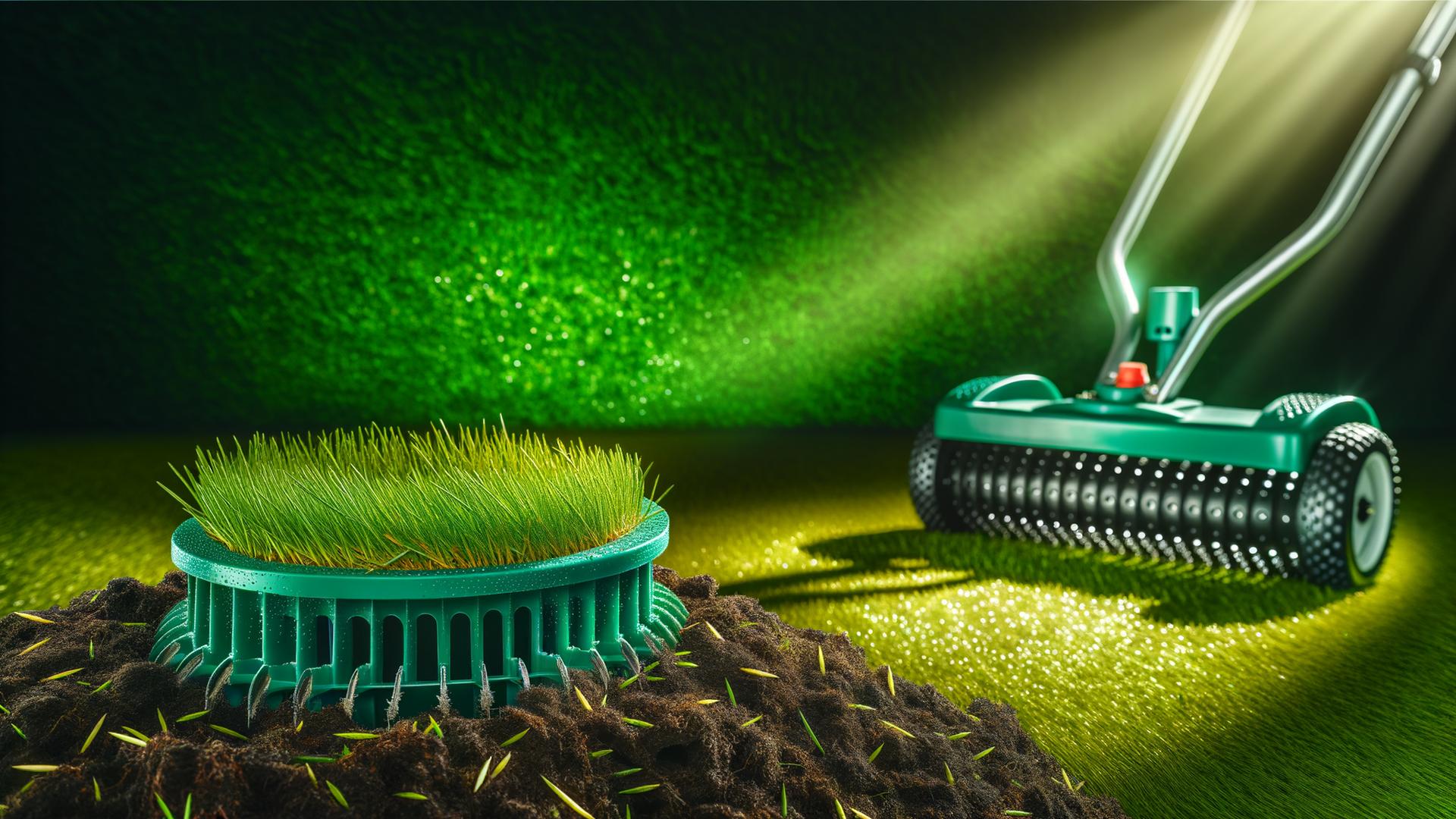
Hand Aerators and Mechanical Aerators are the two primary tools available, each suited for different lawn sizes. Hand aerators are ideal for smaller lawns or spot treatment, whereas mechanical aerators are better for larger areas and offer an even and thorough job.
Post-Aeration Care
Following aeration, it's crucial to overseed and fertilize. The holes created by aeration are perfect for integrating seeds into the soil, leading to thicker and more lush grass coverage. Regular watering post-aeration is also vital to help the seeds germinate and support the overall health of your lawn.
Frequently Asked Questions (FAQs)
1. Can a newly seeded lawn be aerated?
For a newly seeded lawn that hasn’t yet matured to the one-year mark, it’s advised to avoid aeration. Allow the roots to establish firmly for a full season before aerating.
2. What are the benefits of aerating a lawn?
Aeration improves soil drainage, reduces soil compaction, and stimulates root growth by enabling better penetration of air, water, and nutrients.
3. How do I know if my lawn has thatch?
Inspect your lawn carefully; if you notice a spongy feeling and a brown, fibrous layer above the soil, your lawn likely has thatch.
4. Which is better: spike or core aeration?
Core aeration is usually more effective than spike aeration as it removes soil cores, relieving soil compaction, whereas spike aeration can increase compaction by pressing the soil further together.
5. Can I aerate my lawn in the summer?
Aeration is best scheduled according to the growth cycle of your grass; however, emergency aeration due to severe compaction can be done with caution during the summer.
6. How deep do aeration holes need to be?
Typically, aeration holes should be about 2 to 4 inches deep to effectively reduce compaction and enhance root growth.
7. Is it necessary to reseed after aeration?
While not mandatory, reseeding following aeration is recommended to enrich your lawn and fill in bare patches, leading to dense, lush growth.
8. How long should I wait to mow after aerating?
It’s best to wait at least a week before mowing after aeration to ensure that the soil plugs have broken down and the grass has had an opportunity to recover.
9. Can I do my own aeration, or should I hire a professional?
You can aerate your lawn using rented tools or hand aerators for smaller areas. For the inexperienced or for very large lawns, hiring a professional might yield better results.
10. How does aeration help with pest control?
By promoting healthy grass and strong roots through improved access to essential nutrients and water, aeration indirectly contributes to pest resistance, giving your lawn a better defensive footing.
At the end of their quest for answers, the couple from Greenfield found that they could indeed aerate their lawn with a strategic plan. As they began, they could almost hear their lawn breathe a sigh of relief, as if to say thank you for the fresh start. With air and nutrients now reaching its roots more effectively, the lawn continued to thrive—its vibrant resilience a testament to the tender care it received. And so, their green journey continued, unfolding with every new season, each blade of grass standing as a proud symbol of their love and dedication.
Discussion (0)
No comments yet. Be the first to start the conversation!
Leave a Reply