Beginner's Guide: Transform Your Space with These Easy Steps to Start a Vegetable Garden!
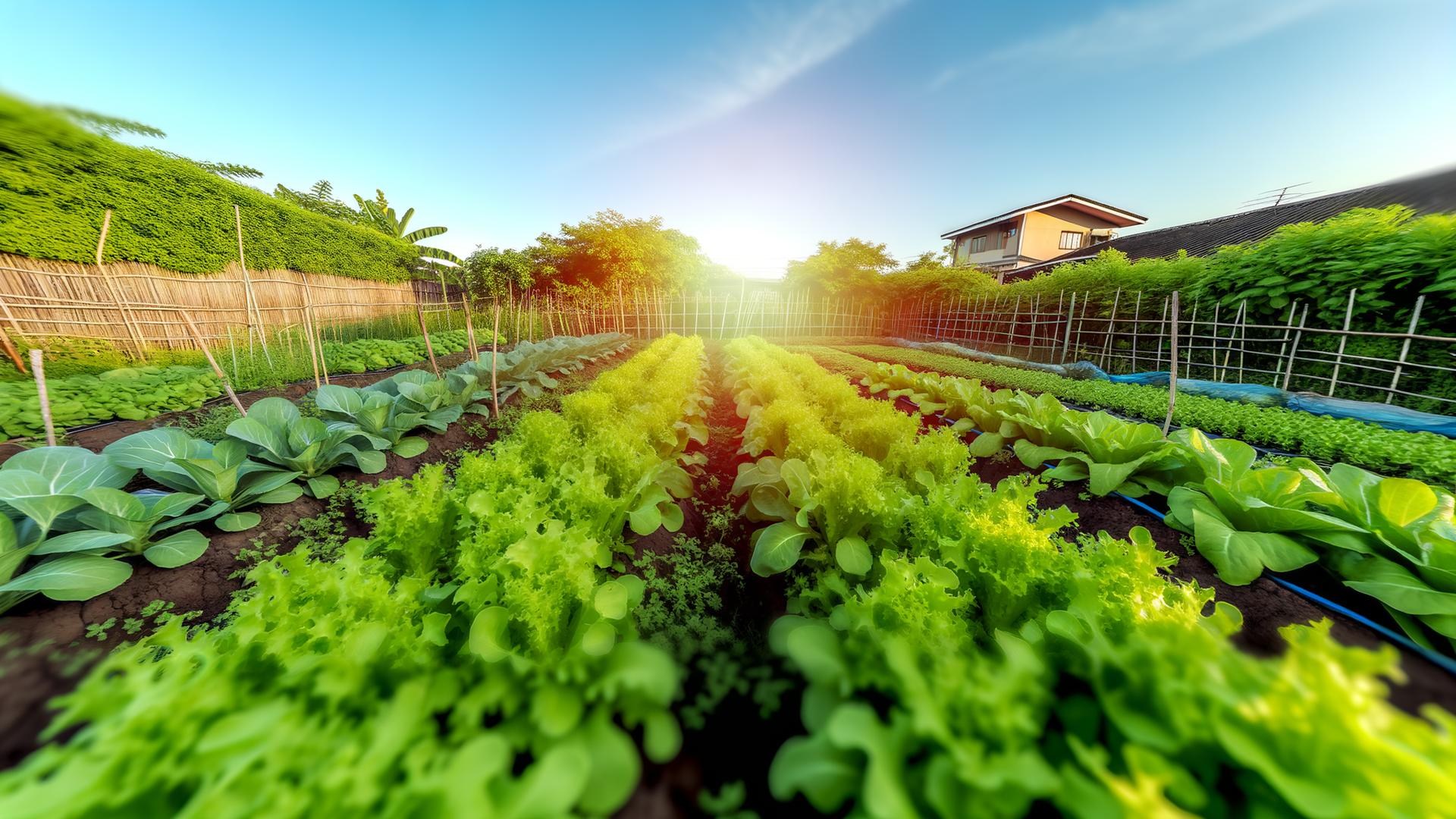
Once upon a time, in a world bustling with technology and rapid urbanization, people found themselves yearning for a connection to nature. A woman named Lily was among them; her concrete backyard seemed like a formidable barrier between her and the verdant paradise she imagined. One day, inspired by her desire to feed her family fresh produce and experience the simple joys of gardening, she embarked on an adventure to transform her backyard into a thriving vegetable haven. Little did she know, her journey would serve as a guide for many others.
Join me as we walk through the steps to create a flourishing vegetable garden, a sanctuary of sustainability, and a testament to the magic of growth.
Why Start a Vegetable Garden?
Before we delve into the how, let's explore the why. In the age of grocery stores and online deliveries, you might wonder why you should get your hands dirty. The list of benefits, however, is profound:
- Freshness and Flavor: Vegetables harvested straight from the garden are crisper and more flavorful than their store-bought counterparts.
- Nutritional Value: You control what goes into your garden, avoiding pesticides and ensuring nutrient-dense produce.
- Environmental Impact: You're reducing your carbon footprint by avoiding transporting food long distances.
- Therapeutic Benefits: Gardening is an excellent form of stress relief and physical exercise.
- Education and Family Bonding: Involve your family and teach children where food really comes from.
Making the Most of Your Space
Lily discovered her first challenge was figuring out how to utilize her limited space. Whether you're working with a small backyard, a balcony, or an expansive suburban plot, these strategies can help maximize your gardening efforts:
Assessing Your Space
Take a moment to analyze your space. You should consider:
- Sunlight: Most vegetables need at least 6 hours of direct sunlight. Observe how sunlight moves across your area throughout the day.
- Wind: Note any strong wind patterns; these can damage delicate plants.
- Water Source: Ensure easy access to water, whether through hoses or watering cans.
Creative Gardening Solutions
- Raised Beds: These compact, elevated planters save space and improve soil drainage.
- Container Gardening: Utilize pots and containers, ideal for patios and balconies.
- Vertical Gardening: Make use of wall space with trellises or hanging planters for crops like peas and beans.
Preparing the Soil
Once Lily decided on her space and layout, her next focus was on the soil. Healthy, nutrient-rich soil is the cornerstone of any successful garden.
Testing and Amending Soil
- Soil Test: Obtain a basic soil test kit to determine pH levels and nutrient content. Vegetables generally prefer slightly acidic to neutral pH (6.0-7.0).
- Amending: Based on results, you may need to amend your soil:
- Compost: Adds organic matter and improves soil structure.
- Lime or Sulfur: Adjusts soil pH.
- Organic Fertilizers: Supply essential nutrients lacking in the natural soil.
Selecting Your Vegetables
With soil sorted, Lily faced an array of seed packets at the local garden store. Choosing the right plants is crucial, especially for beginners.
Best Vegetables for Beginners
Select vegetables that are easy to grow and suited to your climate:
- Lettuce and Salad Greens: Fast-growing and tolerant of cooler temperatures.
- Radishes: Quick to mature and require minimal care.
- Carrots: Great for loose, sandy soil.
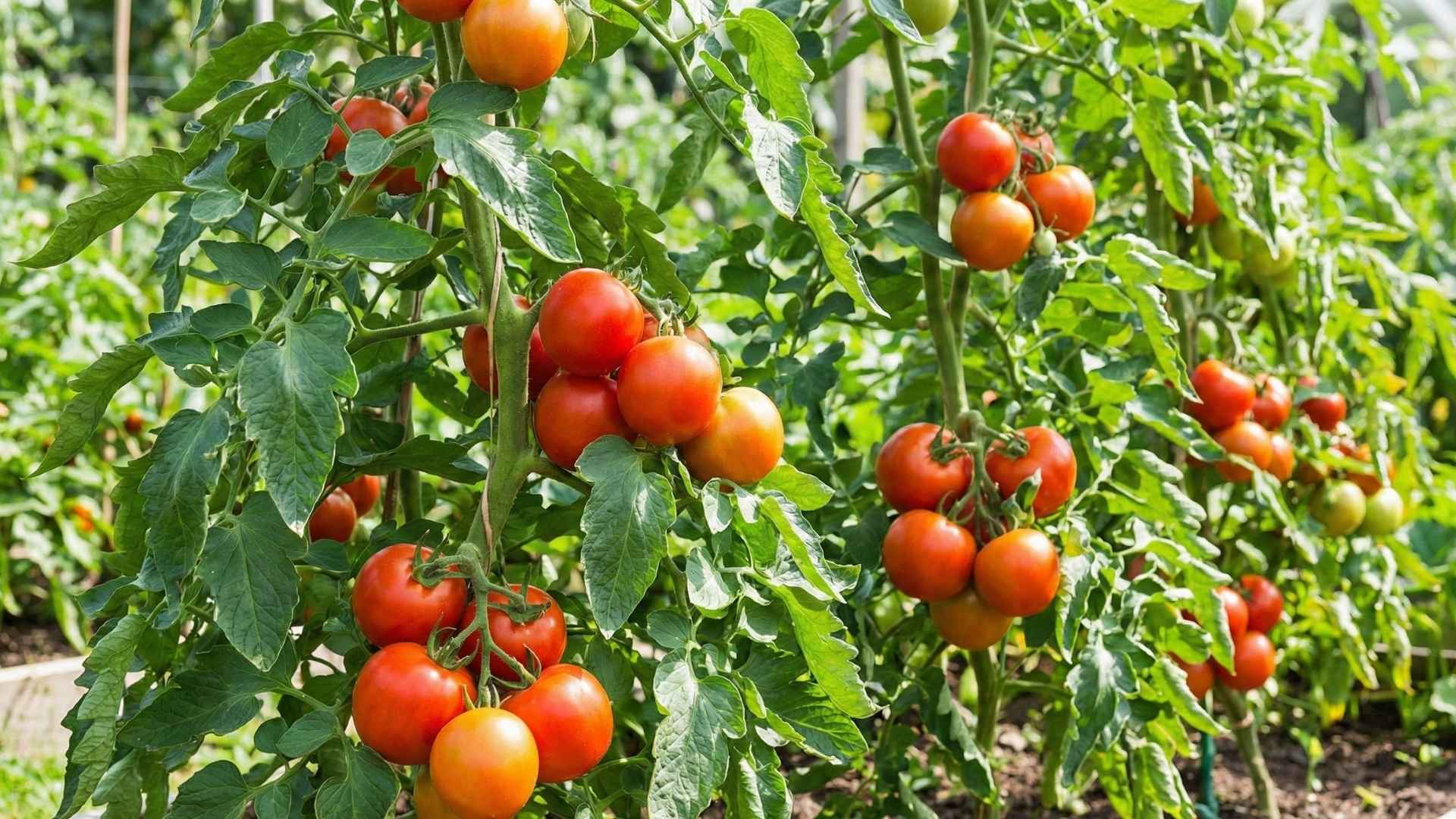
- Tomatoes: Ideal for warmer climates and thrive in containers.
- Zucchini: High yield and relatively pest-resistant.
- Beans: Quick growers that enrich the soil with nitrogen.
Companion Planting
Lily learned about the magic of companion planting, where certain plant pairings can improve growth and repel pests:
- Basil and Tomatoes: Basil deters pests and enhances the growth of nearby tomatoes.
- Carrots and Onions: Carrots repel onion flies, onions deter carrot flies.
- Beans and Corn: Beans naturally fix nitrogen, benefiting heavy feeders like corn.
Planting Your Garden
Armed with seeds and seedlings, it was time for Lily to plant. Each plant has specific requirements that should be understood for a flourishing garden.
Planting Basics
- Timing: Reference local planting calendars for the right time to sow seeds.
- Spacing: Follow seed packet guidelines to prevent overcrowding.
- Depth: Pay attention to the recommended depth for planting seeds.
Watering and Maintenance
- Watering: Remember the 'rule of thumb': when soil feels dry two inches below the surface, it needs water. Aim for deep watering to encourage strong root growth.
- Mulching: Apply mulch to retain moisture, suppress weeds, and keep soil cool.
- Pruning and Staking: Regularly prune overgrowth and support taller plants with stakes.
Caring for Your Growing Garden
As shoots began to sprout, Lily shifted her focus to ongoing care.
Pest and Disease Management
- Natural Predators: Encourage ladybugs and other beneficial insects that prey on harmful pests.
- Diatomaceous Earth: Use as a natural pest deterrent.
- Neem Oil: This organic option helps control pests and mildew.
Harvesting
Knowing when to harvest is crucial to getting the best flavor and texture from your vegetables. Some tips include:
- Lettuce and Greens: Harvest leaves as needed; they will regrow quickly.
- Root Vegetables: Check for readiness by brushing soil away from the tops.
- Tomatoes: Pick when fully colored but still firm.
Storing and Cooking Your Harvest
The rewards of gardening truly come to life in the kitchen.
Storage Tips
Proper storage maximizes the life of your homegrown produce:
- Leafy Greens: Store in plastic bags with holes in the refrigerator.
- Root Vegetables: Place in a cool, dark, well-ventilated space.
- Tomatoes: Store at room temperature until fully ripe.
Simple Recipes
Celebrate your hard work with these simple recipes:
- Fresh Garden Salad: Toss crisp lettuce, sliced radishes, and carrots with olive oil and vinegar.
- Grilled Zucchini: Marinate slices in olive oil and herbs, then grill.
- Homemade Tomato Sauce: Simmer ripe tomatoes with garlic and basil for a rustic sauce.
The Journey of Gardening: Learning and Growing
Lily's garden soon became more than just a source of food. It turned into an evolving canvas that taught her patience, perseverance, and joy. Like Lily, remember that gardening is a journey, not a destination. Each season brings new opportunities to learn and refine your skills.
FAQs
-
How much space do I need to start a vegetable garden?
- You can start small, even with a few pots on a balcony. The scale is less important than beginning with what you have.
-
Can I plant vegetables indoors?
- Yes, with adequate light and care, many herbs and greens can be grown indoors.
-
How often should I water my garden?
- It depends on the weather, but generally, 1-2 inches per week is a good rule, increasing during hot spells.
-
What are the best vegetables for beginners?
- Try lettuce, radishes, tomatoes, and beans—they’re forgiving and easy to grow.
-
How do I keep pests away naturally?
- Use companion planting, encourage beneficial insects, and apply natural deterrents like diatomaceous earth.
-
When is the best time to plant vegetables?
- This varies by location; consult your local planting guide for specifics.
-
What if my plants don't get enough sunlight?
- Consider relocating to a sunnier spot or using grow lights either for supplementing or for an indoor setup.
-
Why are my tomato plants not producing fruit?
- Check for overwatering, excessive nitrogen, or lack of pollinators as potential issues.
-
Can I use kitchen scraps as fertilizer?
- Yes, composting kitchen scraps is an excellent way to create nutrient-rich soil.
-
How do I address poor soil quality?
- Amend it with compost, balanced fertilizers, and consider raised beds where you can control soil composition.
Discussion (0)
No comments yet. Be the first to start the conversation!
Leave a Reply