Grow Your Own Oasis: 10 Stunning Shade Garden Plants That Are Effortlessly Easy to Grow
Imagine stepping into a lush, inviting oasis where every turn offers a new surprise of color and texture. A place where the sun’s harsh rays are softened by the embrace of leafy canopies, and cooler temperatures offer respite in the warmer months. Such is the charm of a shade garden, a space that can be as vibrant and enchanting as any sun-drenched plot. Whether you have a garden shaded by tall trees, a northern-facing balcony, or even a shaded pathway begging for embellishment, there are countless options to bring it to life with minimal effort.
The Magic of Shade Gardening
Shade gardens possess a certain allure. They suggest mystery and elegance, with their softened light and lush, layered textures. While many plants thrive in full sun, there’s a distinct beauty in those that prefer more subdued conditions. They may not bask in the sun's direct glow, but they are no less dazzling.
The Beauty of Diversity
The world of shade-loving plants is wonderfully diverse, offering spectacular flowers, dramatic foliage, and effortless ground covers. These plants are specially adapted to thrive under tree canopies or shaded structures, bringing you peace of mind if your gardening space is not bathed in sunlight all day. The following guide introduces you to ten incredible plants that will effortlessly transform your shaded spaces into enviable sanctuaries.
1. Hostas: A Foliage Favorite
Why Choose Hostas?
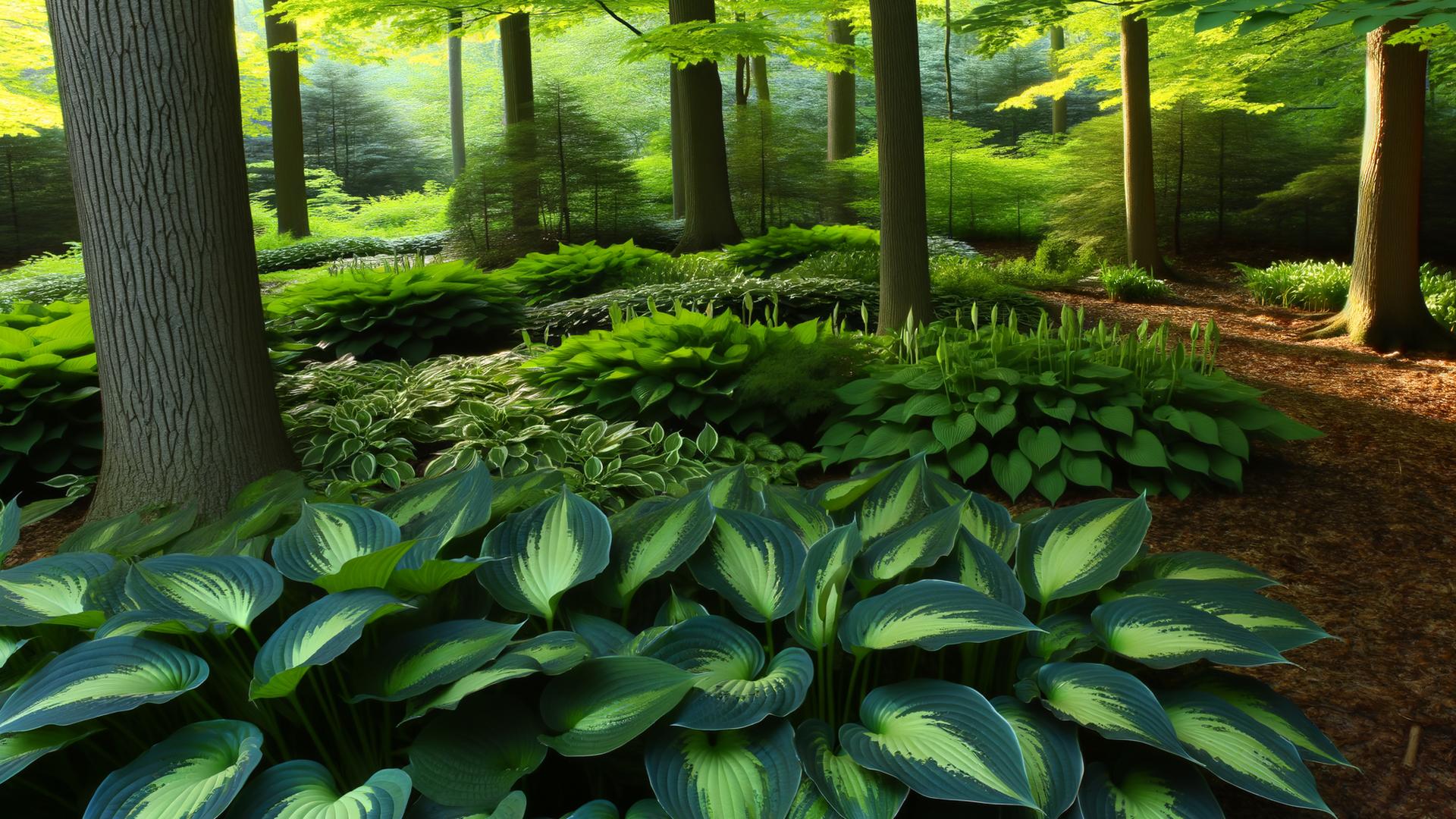
Hostas are undoubtedly the stars of the shade garden world. Revered for their lavish leaves which range from lush greens to blues and variegated patterns, hostas can add texture and volume to any shaded space. Easy to grow and notoriously hardy, these plants can endure varying climates, adding instant charm to gardens and patios.
Caring for Hostas
These perennials thrive when planted in rich, well-drained soil, and benefit from consistent watering. Hostas are incredibly forgiving, ready to bounce back even if neglected. Their only true nemesis is the common garden snail, so keep an eye out for pesky munchers!
An All-Season Wonder
Hostas may surprise you by being more than just foliage plants. In summer, they produce delicate flower spikes, with some varieties offering sweet fragrances to enhance the sensory allure of your garden.
2. Ferns: Embracing the Exotic
A Touch of Ancient Beauty
Ferns are exquisite reminders of the earth’s ancient history, adding a distinct prehistoric elegance to your garden. Their feathery fronds unfurl each spring, offering a delicate lacework that moves with the slightest breeze.
Choosing and Planting Ferns
With numerous varieties available, including the striking Maidenhair and the hardy Ostrich Fern, there’s a fern for every taste. Plant them in a moist, shaded area, making sure to provide consistent moisture to keep their fronds lush and vibrant.
Low Maintenance Charm
Ferns reward you with minimal maintenance needs. If you forget to water one week, they'll likely forgive you, just as long as they do not experience prolonged drought. A quick prune of damaged fronds is all you need to keep them looking their best.
3. Astilbes: A Burst of Color
Radiant Blooms for Shady Corners
Astilbes are a magnificent choice if you’re seeking saturated bursts of color in your garden. Their feathery plumes come alive in vibrant pinks, purples, and whites against the greens and blues of shade-loving foliage.
Cheering Up the Shadows
They thrive in consistently moist, humus-rich soil and are best planted in partial to full shade. Once established, they require little intervention, and effortlessly brighten beds, borders, and containers.
When Flowers Take the Stage
Astilbes do well as focal points or in large groupings. Their upright blooms add structure and height variation to your shady spaces, ensuring your garden is never dull.
4. Lungwort: Nature's Little Surprise
Beyond the Unusual Name
Despite its curious name, Lungwort (Pulmonaria) boasts uncommon beauty with its silvery-spotted leaves and small, enchanting blooms that shift color from pink to blue over their blooming period.
Creating Spectacle
Lungwort's low-growing habit makes it a perfect ground cover, effectively suppressing weeds while bringing variegated charm to the garden.
Thriving in Cool, Moist Conditions
Plant Lungwort in cool, shaded conditions with rich soil, and it will reward you with longevity and beauty. It’s a superb plant for those damp corners of your garden where little else will thrive.
5. Bleeding Heart: Elegance in Every Droplet
The Romance of the Bleeding Heart
The Bleeding Heart, with its arching stems and heart-shaped flowers, seems like a plant out of a fairy tale. Available in shades from deep pink to pristine white, these plants add a romantic, old-fashioned charm to shaded gardens.
Cultivating Caution and Care
Partial to full shade and well-drained soil rich in organic matter are key to a thriving Bleeding Heart. While requiring a bit more water during dry spells, they'll otherwise dazzle you with minimal upkeep.
Keeping the Magic Alive
Their springtime display may be short-lived, as the foliage can die back after flowering, but they impart a stunning spectacle while they last.
6. Heucheras: Colorful Characters
The Vibrant Palette of Heucheras
Commonly known as Coral Bells, Heucheras introduce bold color to the shaded garden with their richly hued foliage. Available in greens, purples, oranges, and golden tones, they add year-round interest.
Planting and Nurturing Heucheras
Adaptable to various garden environments, they flourish in shaded or partially shaded areas with rich, well-draining soil. Water regularly in the warmer months, and these hardy perennials will remain robust.
Season-Long Appeal
Though primarily grown for their foliage, they also offer delicate flower spikes that add further charm, attracting pollinators like bees and hummingbirds to your garden.
7. Brunnera: The Elegance of Siberian Bugloss
A Burst of Blue
Brunnera's vibrant sky-blue blossoms brighten up any shady spot, while their large heart-shaped leaves create a striking contrast to other plants. Often called False Forget-Me-Nots, these plants are a joy to behold in every garden.
Successful Shady Planting
Their love for cool, moist conditions makes Brunnera perfectly suited for shaded gardens. Amend the soil with organic matter before planting, and ensure consistent watering for best growth.
Year-Round Interest
Brunnera holds its beauty throughout the seasons with its textured foliage, making it a standout performer in your green sanctuary.
8. Tiarella: Forever Falling Stars
The Magical Tiarella
Commonly referred to as Foamflower, the Tiarella is known for its dainty star-shaped flowers resting on slender, airy stems. Their captivating foliage often contributes color even after the flowering season.
Nature’s Delight
Tiarellas thrive in organic-rich soil that sees consistent moisture. Their capacity to create lush carpets of foliage makes them a garden favorite, effortlessly filling in gaps.
Adding Character and Dimension
The intricate leaf patterns and subtle blooms of Tiarellas add delightful nature-inspired artistry to shaded nooks and borders, elevating your garden’s texture and depth.
9. Japanese Forest Grass: Cascading Beauty
Elegant, Flowing Forms
Hakonechloa, or Japanese Forest Grass, evokes a sense of motion with its graceful, flowing foliage. Its golden stripes add visual intrigue, stunning in containers or along garden paths.
The Perfect Companion
This ornamental grass thrives in part to full shade, loving moist, well-drained soil. It's relatively low-maintenance, simply requiring cutback in early spring to encourage fresh growth.
Creating Movement
The soft cascading architecture of Hakonechloa lends a sense of serene movement, transforming any shaded space into a more dynamic and enchanting landscape.
10. Hellebores: Winter's Crown Jewel
Blossom in the Cold
Hellebores are the crown jewels of the winter and early spring garden. With nodding blooms ranging in color from deep plum to creamy yellow, they bring unexpected cheer and color when few other plants dare to bloom.
Adaptability and Allure
Plant Hellebores in areas with well-drained soil and dappled shade. They are resilient with a preference for consistent moisture.
A Timeless Beauty
Not only do Hellebores offer striking winter flowers, but their leathery, evergreen foliage provides structure throughout the season, ensuring your garden retains its aesthetics year-round.
FAQs About Shade Gardening
1. How much shade is too much for these plants?
Many shade-loving plants can tolerate deeper shade, but ensuring they receive some dappled light or indirect sunlight will help them thrive and bloom more profusely.
2. Are these shade plants deer-resistant?
Certain plants like Bleeding Hearts and Hellebores are generally deer-resistant. However, always consider adding deer deterrents if you live in areas heavily populated by deer.
3. Can shade plants be fertilized the same as sun-loving plants?
Yes, but remember that shade plants typically require less frequent fertilization. A balanced slow-release fertilizer applied in early spring can suffice.
4. How often should you water a shade garden?
Shade gardens usually require less frequent watering than sun gardens, but they do thrive on consistent moisture. Aim to water when the topsoil feels dry.
5. Do shade gardens require special soil conditions?
While not all shade-loving plants are picky, most benefit from rich, well-drained soil with organic matter to mimic forest floor conditions.
6. Can shade plants grow well in containers?
Absolutely! Many shade plants like Hostas and Heucheras perform beautifully in containers. Just ensure proper drainage and consistent moisture.
7. How do I prevent diseases in shade gardens?
Proper spacing for air circulation and avoiding overhead watering can help prevent fungal diseases common in shade gardens.
8. Will these plants attract pollinators?
Many shade plants like Heucheras and Astilbes are excellent for attracting bees and hummingbirds, even under leaf canopies.
9. Can I grow edible plants in the shade?
Leafy greens such as lettuce and spinach can grow well with limited sunlight, perfect for adding an edible element to your shade garden.
10. What's the best time to plant shade garden plants?
Spring and fall are ideal, as cooler temperatures and consistent rainfall help plants establish more securely without the stress of summer heat.
Discussion (0)
No comments yet. Be the first to start the conversation!
Leave a Reply