
10 Essential Tips for Staking Tomato Plants Like a Pro!
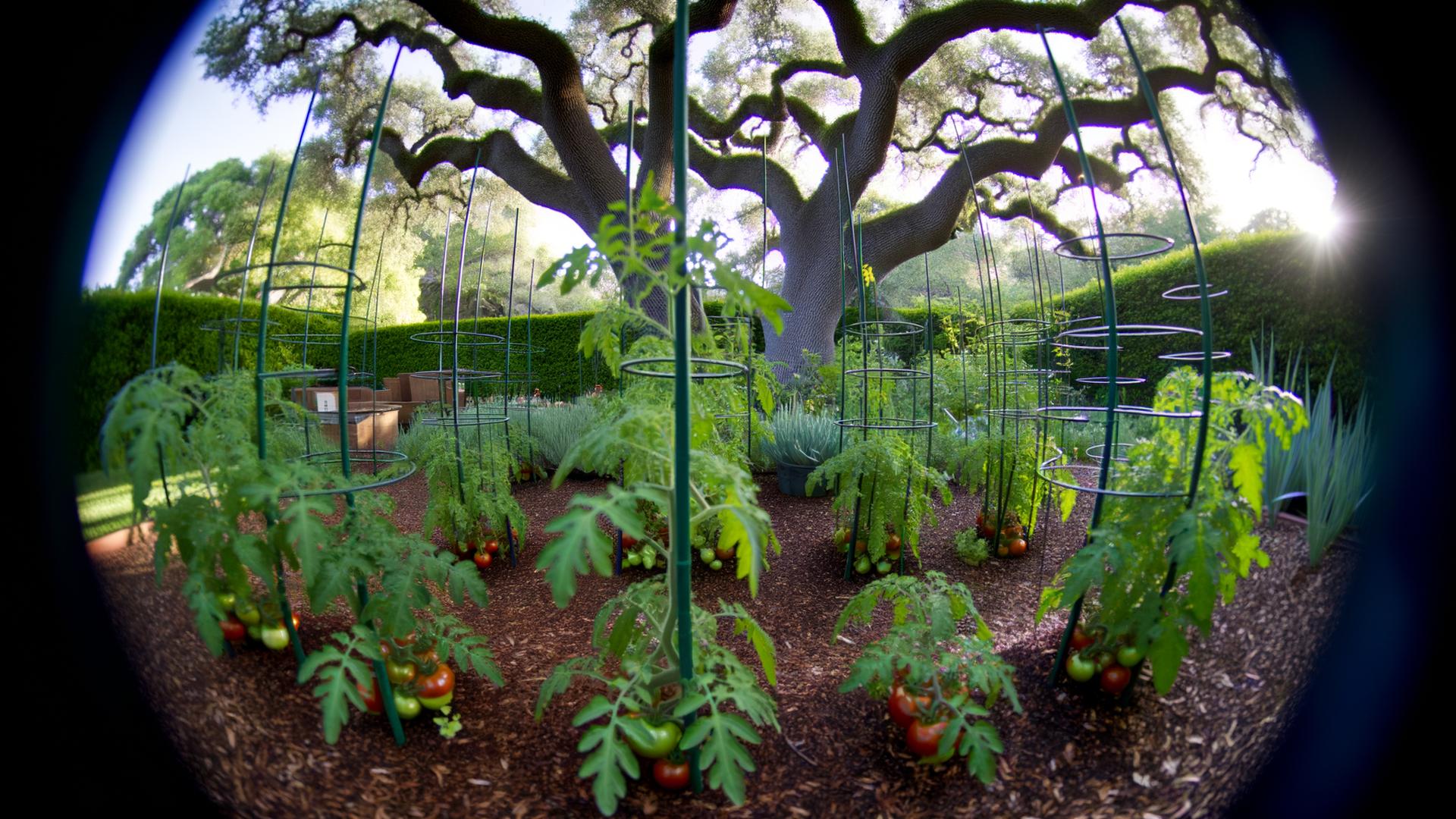
Once upon a time, in a small garden nestled between towering oak trees, a gardener named Lily faced a common challenge: unruly tomato plants sprawling in every direction, their vibrant green leaves tangling and drooping under the weight of ripe, juicy tomatoes. Determined to restore order and unlock the full potential of her beloved plants, Lily embarked on a journey to master the art of staking tomato plants. Join me as we explore her adventure and uncover ten essential tips to stake tomato plants like a pro.
The Tale of Tangled Tomatoes
Lily had watched in dismay as her tomato plants transformed into a jumbled mess, their branches intertwined like a wild dance in the summer breeze. The weight of the abundant fruit threatened to snap their delicate stems, leaving her dreams of delicious tomatoes crushed—literally. That's when Lily realized the secret to success was simple: she needed to stake them up, quite literally, to reach for the sky.
Tip 1: Choose Your Weapon – Stakes, Cages, or Trellises!
First and foremost, Lily had to choose the right support for her tomato plants. Common options include stakes, cages, and trellises; each has its own benefits.
Stakes
Stakes are straightforward and versatile. They work wonderfully for determinate tomato varieties, which typically grow to shorter, bushier heights. Wooden or metal stakes can be used, but it’s essential to ensure they are at least six feet tall to accommodate future growth.
Cages
Cages offer excellent support for both determinate and indeterminate varieties. These sturdy structures allow the plant to grow naturally while providing support from multiple angles. Lily found that wire cages worked best, and they were easily found at local gardening stores.
Trellises
For a more decorative approach, consider using trellises. They offer a vertical growing solution that can turn a practical gardening necessity into an artistic feature in your garden.
Lily opted for wooden stakes, embracing their rustic charm and simplicity, but she ensured they were untreated to prevent any chemicals from leaching into her soil.
Tip 2: Time It Right – Start Early
Timing, as with most things in gardening, is everything. Lily learned from her neighbor, Mr. Green, that staking should begin when the plants are still young and pliable. Waiting too long increases the risk of damaging roots and breaking stems.
Tip 3: Drive the Stakes Deep
Once committed to the staking route, it’s crucial to anchor the stakes firmly into the ground. Lily discovered that a mallet works wonders for driving stakes at least 10-12 inches into the soil. This depth ensures stability, especially when fierce summer storms blow through.
Tip 4: Gentle Ties, Happy Plants
Lily learned the importance of using soft ties to attach her plants to the stakes. Garden twine, cloth strips, or even old pantyhose can be cut into strips and used to gently secure the stems. The key is to tie the plant loosely enough to prevent constriction as the plant grows.
Tip 5: Prune for Precision
Tomato plants, especially indeterminate varieties, can become unruly, making it necessary to prune regularly. Removing the lower leaves and any suckers — small shoots that grow out of the main stem and branches — promotes healthier growth and air circulation.
Through this pruning practice, Lily ensured her plants didn't expend unnecessary energy, allowing them to focus on producing luscious fruit.
Tip 6: Keep Plants Well Spaced
Lily realized that spacing her plants 24-36 inches apart in rows ensured they received ample light and air. This crucial step helps to prevent diseases and improve fruit production.
Tip 7: Mind the Height
As the plants grew taller, Lily needed to adjust her staking strategy. By adding additional ties every 10-12 inches along the main stem, she maintained strong support all the way to the top.
Tip 8: Rotate Staking Direction
Lily observed that her plants responded well when she alternated the direction of her ties. This rotation prevents the tomato plants from growing lopsidedly and encourages a more balanced structure.
Tip 9: Inspect and Adjust
Every few days, Lily diligently inspected her plants, ensuring they were tied securely yet gently. As her plants grew, she remained vigilant, adjusting ties and removing any extra suckers as needed.
Tip 10: Keep Your Tools Handy
A gardener's success often lies in their preparedness. Armed with a small toolkit — a pruning shear, twine, and a mallet — Lily was always ready to spring into action when needed.
Frequently Asked Questions
-
Why do tomatoes need staking?
Tomato plants, particularly indeterminate varieties, can grow quite tall and heavy with fruit. Staking helps support their structure, preventing broken stems and improving air circulation.
-
Can I stake tomatoes late in the season?
It's possible, but staking is best done when plants are young to avoid damaging roots and stems.
-
What's the difference between determinate and indeterminate tomatoes?
Determinate tomatoes grow to a certain height and produce fruit all at once. Indeterminate tomatoes continue growing and producing fruit until frost.
-
Is it okay to use metal stakes?
Yes, metal stakes are sturdy and durable, but ensure they are tall enough for your plant's growth and will not leach harmful chemicals.
-
How do I know if I'm tying the plant too tightly?
Ensure your ties have a little slack and don't pinch the stem. If the stem looks pinched or constricted, it's too tight.
-
What's the ideal material for tying tomato plants?
Soft materials like garden twine, cloth, or old pantyhose work best.
-
Does mulch affect staking?
Mulch helps retain moisture and suppress weeds but does not impact the staking process directly. However, it can prevent soil erosion around the stake.
-
How do I prevent my stakes from rotting?
Use resistant materials like metal or treated wood, and ensure good drainage to minimize constant moisture contact.
-
Can pruning harm my tomato plants?
If done incorrectly, excessive pruning can harm growth. Focus on removing suckers and lower leaves to encourage healthy growth.
-
Can I reuse stakes from previous years?
Yes, but inspect them for damage, and ensure they are clean to prevent disease transmission.
In her verdant garden, Lily became a master of staking tomatoes—a proud gardener who empowered her plants to thrive and rewarded herself with a bountiful harvest. And with these ten essential tips in hand, you too can stake your tomato plants like a pro, yielding a luscious kingdom of tomatoes.
Discussion (0)
No comments yet. Be the first to start the conversation!
Leave a Reply