The title sounds like an exaggeration, but chemically, it is closer to the truth than you might think. We are talking about Fermented Nettle and Comfrey Tea (often called Jadam Liquid Fertilizer in natural farming).
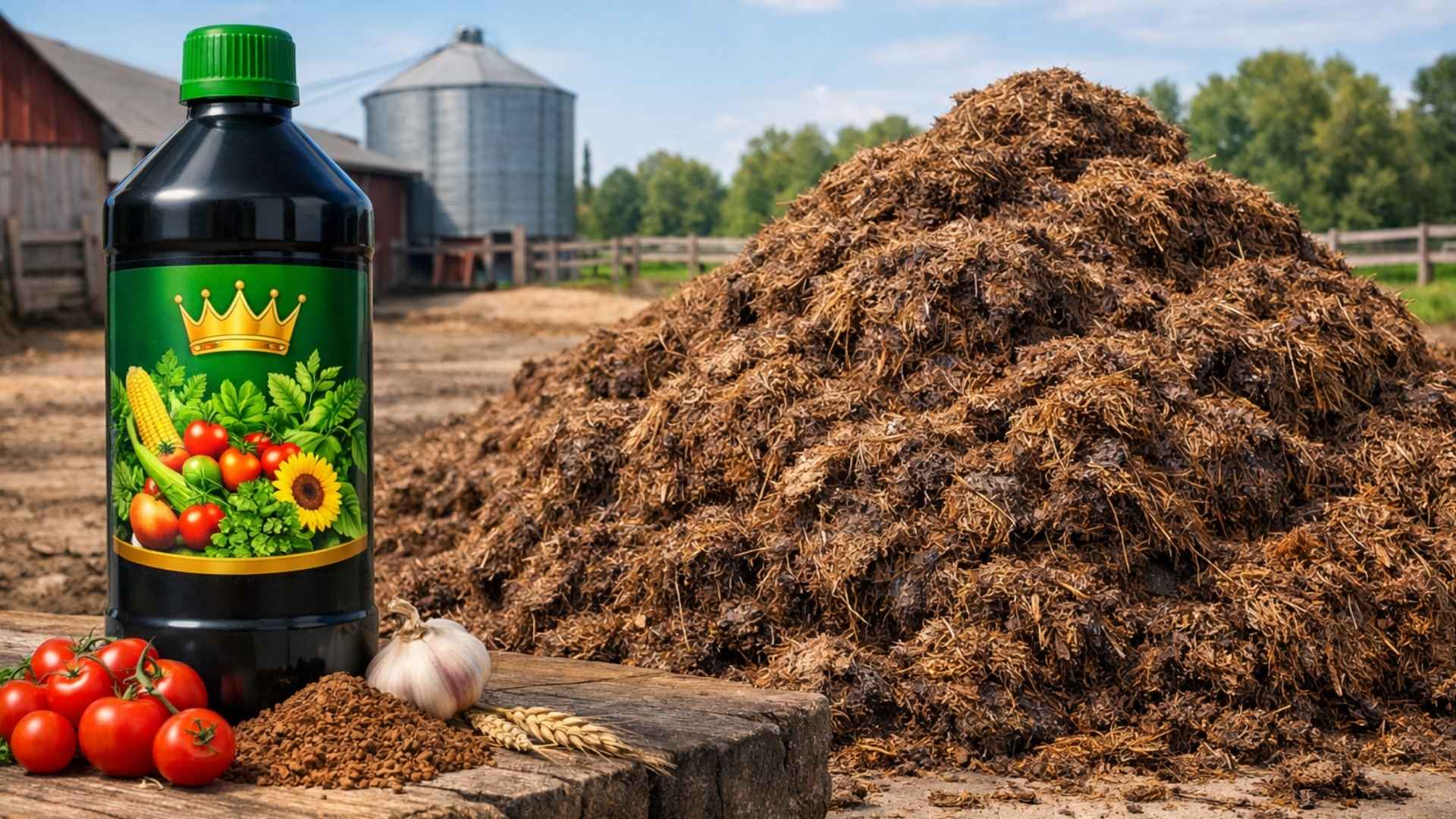
While manure provides bulk organic matter, it is actually quite low in immediate nutrients (often NPK 1-0.5-0.5). A properly brewed fermented plant tea creates an ionic nutrient solution that is instantly absorbed by plants, providing a punch of power that physical manure cannot match in speed or density.
Why "Green Manure" is King
Most gardeners throw weeds away. You should be fermenting them.
- Stinging Nettle: Packed with Iron, Nitrogen, and Magnesium. It is pure leafy growth fuel.
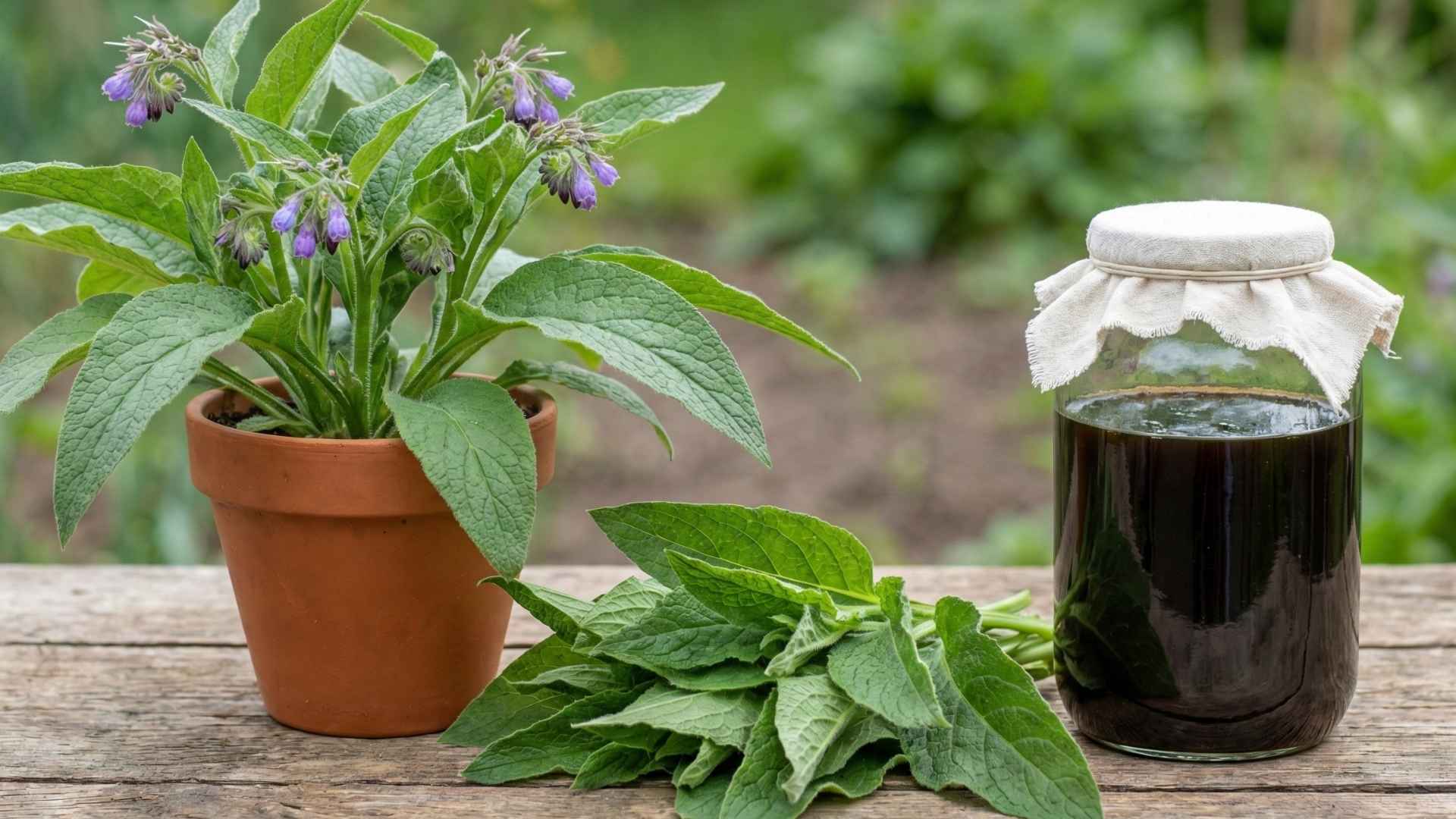
- Comfrey: The "mineral miner." Its deep roots pull up Potassium and Calcium. It is pure fruiting and flowering fuel.
When you rot these down in water, growing bacteria break the distinct plant cells into raw elements. The resulting black, smelly liquid is concentrated liquid gold.
How to Make the "1 Liter = 1 Ton" Mix
You need a bucket with a lid. This process smells bad—like a farm—because it is anaerobic fermentation. That smell is the smell of potency.
Instructions:
- Harvest: Fill a bucket tightly with chopped Nettle leaves (for nitrogen/growth) or Comfrey leaves (for flowers/fruit). You can mix them 50/50 for a balanced feed.
- Weight: Place a stone or brick on top of the leaves to keep them weighed down.
- Water: Fill the bucket with water (rainwater is best) until the leaves are covered.
- Cover: Put a lid on it, but leave it slightly loose to let gas escape.
- Wait: Let it sit for 2-3 weeks. It will bubble, foam, and turn sludge-green, then dark black.
- Done: When the bubbling stops and it smells strong, it is ready.
How to Use It Correctly
NEVER use it neat. This concentrate will burn roots instantly. It is 10 times stronger than chemical feeds.
The "Tea" Color Rule: Dilute the black sludge with water until it looks like weak tea.
- Standard Ratio: 1 part fertilizer to 10 parts water.
- Sensitive Plants: 1 part fertilizer to 20 parts water.
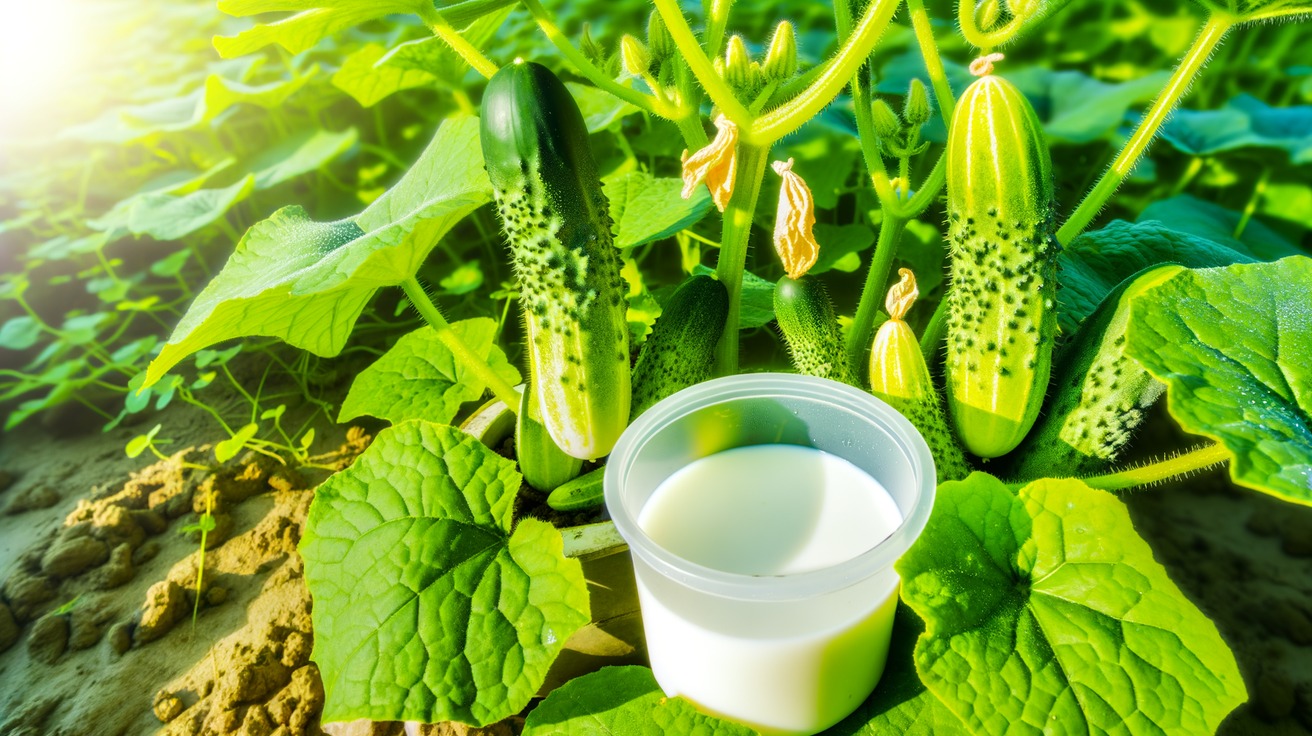
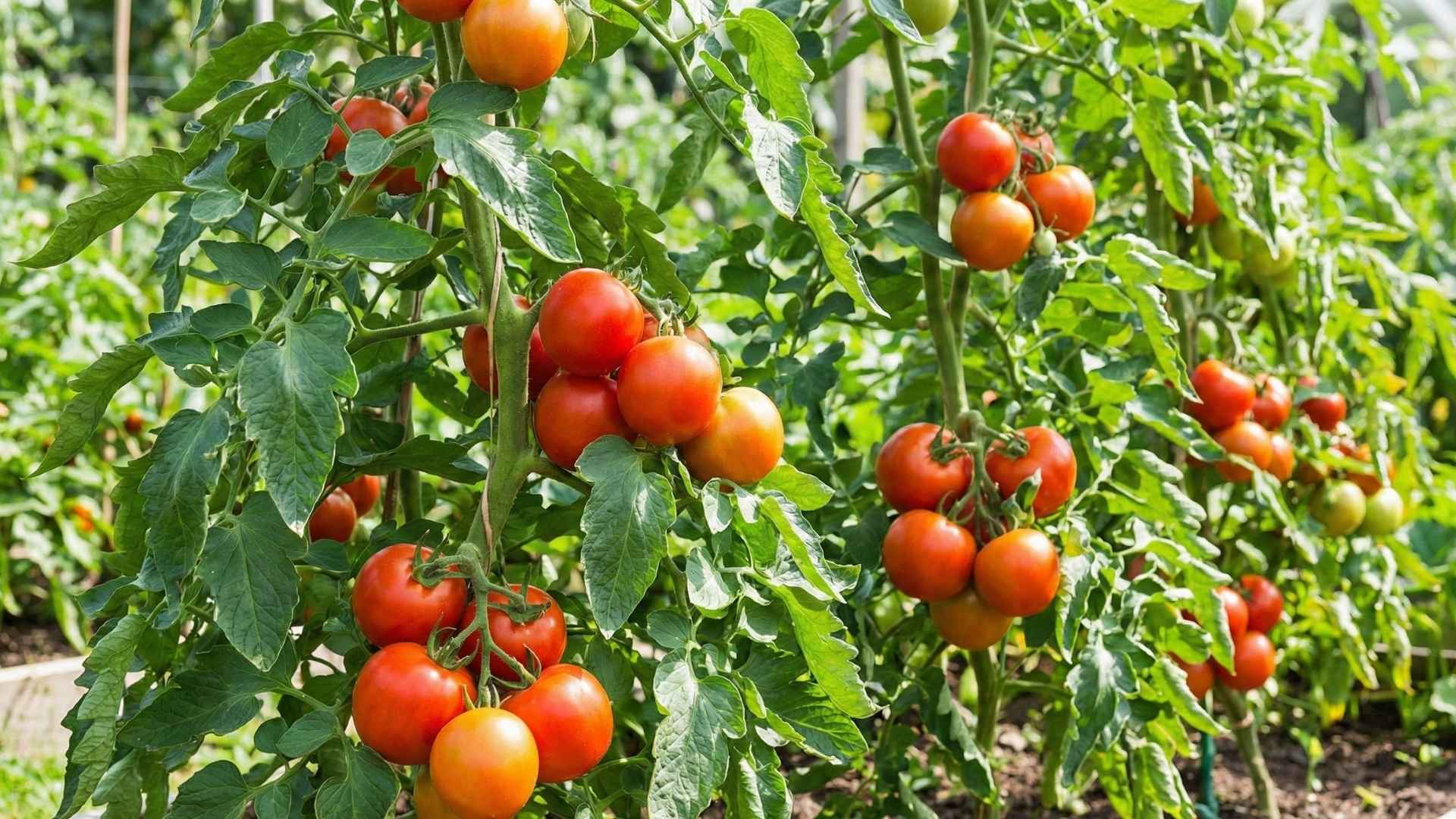
Pour 1 liter of this diluted mix around the base of your hungry plants (Tomatoes, Cucumbers, Zucchinis) once a week.
Why It Changes Everything
- Instant Uptake: Unlike pellets that need rain to dissolve, this liquid feeds the roots the second it touches the soil.
- Iron Boost: Nettles are rich in iron. Yellow leaves turn green within 3 days of application.
- Free and Infinite: You can make a new batch every month for zero cost.
- Microbial Inoculation: You are adding millions of beneficial bacteria to your soil with every watering.
FAQ – The Ultimate Liquid Manure
1. Does it smell? Yes, it smells terrible, like sewage. This is normal. The smell dissipates within an hour of watering into the soil.
2. Can I use it on indoor plants? Not recommended due to the smell. Use it for outdoor vegetable gardens only.
3. What if I don't have Comfrey? Use Dandelion leaves or just pure Nettle. Grass clippings also work but are less potent.
4. Can I use the sludge at the bottom? Yes, bury the leftover sludge in your compost pile. It is a fantastic compost activator.
5. How loong does it take to ruin? It doesn't really expire. You can keep a bucket going all season. Just top it up with weeds and water.
6. Is it safe for strawberries? Yes, but use the Comfrey version (Potassium rich) rather than Nettle (Nitrogen rich) to encourage fruit, not leaves.
7. Can I spray IT on leaves? Yes, as a foliar feed, but dilute it even more (1:20) to avoid burning the leaves.
8. Why is it bubbling? Bubbling is good. It means fermentation is active and bacteria are breaking down the plant matter.
9. Can I add sugar to speed it up? You can, but it's not necessary. The natural sugars in the plant leaves are enough for the bacteria.
10. Is this better than chemical products? For soil health, yes. It feeds the soil biology, whereas chemicals eventually starve the soil of life.
Discussion (0)
No comments yet. Be the first to start the conversation!
Leave a Reply