Unveiling the Trinidad Moruga Scorpion
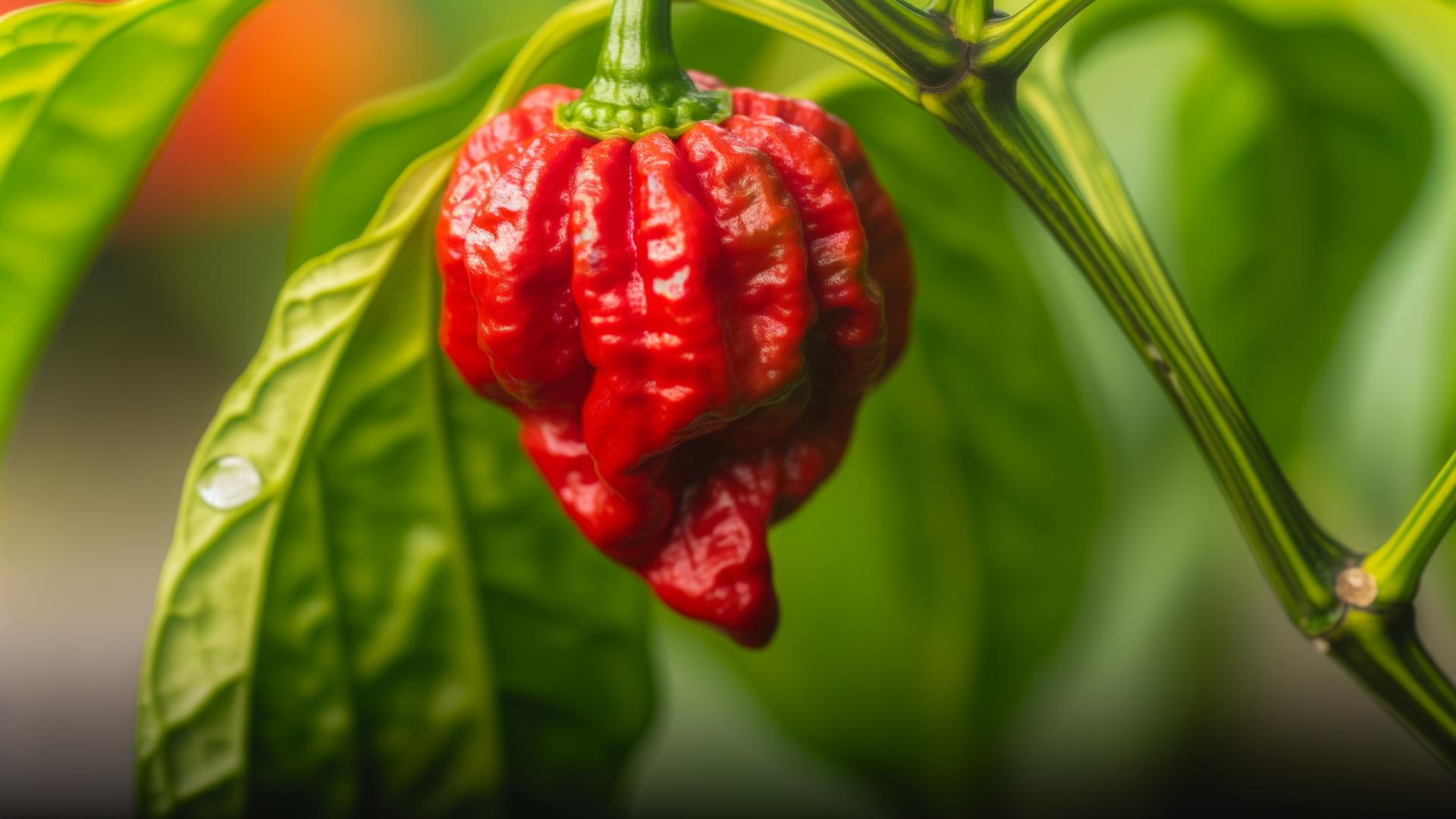
In the vibrant world of hot peppers, few can claim the fiery prestige held by the Trinidad Moruga Scorpion. This tropical marvel originates from the Moruga district in Trinidad and Tobago, and it once held the title of the world's hottest chili, boasting a Scoville heat level that can exceed 2 million units. With its wrinkled, bulbous appearance and radiant red hue, this pepper doesn't just command respect for its scorching heat but is also admired for its unique flavor profile—a tantalizing mix of fruity sweetness with a savage bite.
Requirements for Cultivation
Growing the Trinidad Moruga Scorpion requires both patience and a slight tolerance for danger. Whether you're envisioning a bountiful home garden or one single pot on the patio, understanding the peculiar needs of this pepper is crucial for reaping a fiery harvest.
Selecting the Right Seeds
Start by selecting high-quality seeds from a reputable supplier. Due to the plant's intense heat and distinctive flavor, seed purity is important. This ensures that you are indeed cultivating an authentic Trinidad Moruga Scorpion and not one of its less potent relatives.
Ideal Climate Conditions
This pepper plant thrives in consistently warm, humid conditions that mimic its native Caribbean environment. If you reside outside similar climate zones, creating an ideal microclimate is key. Consider employing a greenhouse or indoor growing setup for colder regions to maintain the necessary heat and humidity.
Soil Requirements
Trinidad Moruga Scorpions demand rich, well-draining soil to flourish. Aim for loamy soil enriched with organic matter, as this will ensure adequate nutrition and water retention. The pH level of the soil should ideally be between 6.0 and 6.8, conducive for pepper growth. Conduct soil tests and amend as necessary to maintain these conditions.
Germination and Planting
Starting your seeds indoors can provide the controlled environment necessary for successful germination. Sow seeds about 1/4 inch deep in seed-starting mix, and maintain a consistent temperature between 80°F to 90°F. Be patient—germination can take two weeks or more. Once seedlings have two to three true leaves and outdoor conditions are favorable, gradually acclimate them to outdoor life by hardening them off over two weeks, then transplant them to their final location.
Care and Maintenance
Nurturing the Trinidad Moruga Scorpion to its full, fiery potential requires diligent care, as these plants are as fickle as they are ferocious.
Watering
Effective watering is crucial. These pepper plants need consistent moisture but are sensitive to overwatering. Allow the top inch of soil to dry out before watering again, ensuring deep, thorough watering rather than frequent light mistings. Mulch can help maintain soil moisture and temperature consistency.
Fertilizing
To feed their voracious appetite, Trinidad Moruga Scorpions require nutrient-rich fertilizer. Begin with a balanced fertilizer in the early stages, transitioning to a phosphorus-heavy blend as the plants flower and fruit. This encourages robust fruit development. Organic options such as compost or well-rotted manure can also support healthy growth.
Pest and Disease Management
These hot peppers can deter many pests, but aphids, spider mites, and whiteflies may still find their way to your plant. Regular inspection and organic pest control methods, such as neem oil or insecticidal soap, can aid in maintaining plant health. Ensure good air circulation and avoid overly damp conditions to prevent fungal issues like powdery mildew or root rot.
Supporting and Pruning
Provide stakes or cages for support as the plants can grow up to 4 feet tall with heavy fruit. Pruning bottom leaves and non-fruiting branches can improve air circulation, reduce the risk of disease, and direct energy towards fruit production.
Harvesting the Fiery Fruit
After months of tender care, the true reward comes with harvest. Trinidad Moruga Scorpions typically mature between 90 to 120 days post-transplant. Peppers are ripe when they have fully turned their signature red and feel firm to the touch. Use gloves and scissors or pruners to harvest, avoiding direct skin contact with these intensely hot peppers.
The Culinary Adventure
Beyond its daunting heat, the Trinidad Moruga Scorpion offers a unique culinary journey. Its complex sweet-fruity flavor complements its fierce spiciness, making it a favorite in hot sauces, salsas, and marinades. While handling, always wear gloves and work in a well-ventilated area; the oils can cause significant irritation.
Frequently Asked Questions
How hot is the Trinidad Moruga Scorpion pepper?
The Trinidad Moruga Scorpion can reach over 2 million Scoville Heat Units, making it one of the hottest peppers globally.
What is the best climate to grow Trinidad Moruga Scorpion peppers?
These peppers thrive in warm, humid climates akin to the Caribbean. Temperatures should be consistently between 75°F and 90°F.
How long does it take for Trinidad Moruga Scorpion seeds to germinate?
Germination typically takes 14-30 days, depending on temperature and soil conditions.
Can Trinidad Moruga Scorpion peppers be grown indoors?
Yes, with adequate light, warmth, and humidity, these peppers can thrive indoors.
How often should I water Trinidad Moruga Scorpion plants?
Water when the top inch of soil is dry. Ensure thorough watering but avoid waterlogged conditions.
What type of fertilizer works best for Trinidad Moruga Scorpion plants?
A balanced fertilizer transitioning to a phosphorus-heavy blend during flowering and fruiting stages is ideal.
How do I protect my Trinidad Moruga Scorpion peppers from pests?
Regular inspections, using organic insecticides like neem oil, and ensuring good plant health can prevent pest issues.
When is the best time to harvest Trinidad Moruga Scorpion peppers?
Harvest when the peppers are fully red and firm, typically 90 to 120 days after transplanting.
How should I handle Trinidad Moruga Scorpion peppers due to their heat?
Always wear gloves, avoid skin contact, and work in a ventilated area to prevent irritation.
What are some culinary uses for Trinidad Moruga Scorpion peppers?
These peppers are excellent for hot sauces, salsas, and marinades, providing a unique blend of sweetness and intense heat.
Discussion (0)
No comments yet. Be the first to start the conversation!
Leave a Reply