Introduction to Serrano Peppers
Among the myriad of peppers gracing our gardens around the world, the Serrano pepper (Capsicum annuum) holds its own with flair and fiery zest. Originally hailing from the mountainous regions of northern Puebla and Hidalgo in Mexico, this pepper's name nods to its highland origins—'sierra' meaning mountains in Spanish. Compact yet packed with heat and flavor, Serrano peppers have become a beloved ingredient in culinary traditions, particularly those that relish a little spice.
In the culinary world, the Serrano pepper is celebrated for its crisp, bright flavor and moderate heat, landing between 10,000 to 25,000 Scoville Heat Units (SHU). This makes them somewhat hotter than a jalapeño but less intimidating than their habanero and ghost pepper cousins. Their thin skin and juicy flesh make them perfect for salsas, sauces, and pickling processes.
Understanding the Serrano Pepper Plant
Physical Characteristics
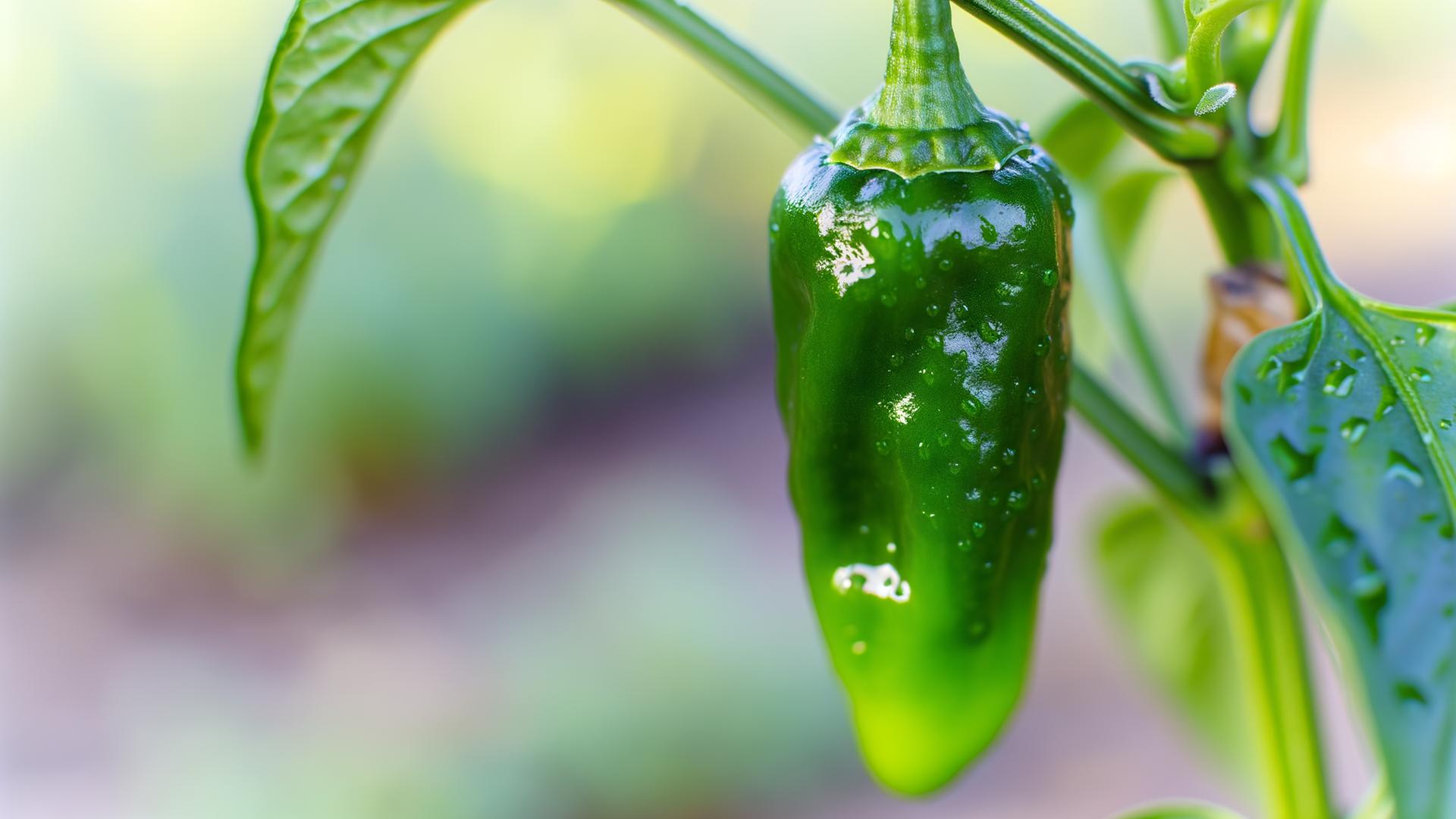
The Serrano pepper plant is a perennial shrub in warm climates but often grown as an annual in cooler areas. It displays deep green leaves and can reach heights of 24 to 36 inches tall. The plant produces elongated, glossy fruits that grow upright on the stem, eventually weighing down branches with their bounty.
A ripe Serrano pepper often measures about 1 to 4 inches in length and about ½ inch in diameter, with colors ranging from bright green to red, depending on its ripeness. Variations in color can also include brown, orange, and even a deep red, signifying different flavor profiles and heat levels.
Climate and Soil Requirements
The success of cultivating Serrano peppers lies largely in recreating an environment similar to their native territories. These peppers are warm-season crops that thrive in full sun, requiring a minimum of six to eight hours of direct sunlight daily. They demand a long growing season with temperatures consistently between 70°F to 85°F. Cold is particularly detrimental, and they are extremely susceptible to frost.
Soil is another crucial factor. Well-drained, sandy loams enriched with organic material provide the ideal conditions for these plants. The pH balance should range between 6.2 to 7.0, almost neutral, to ensure nutrient uptake is at its optimal.
Cultivation Practices
Starting from Seed
For the dedicated gardener, starting Serrano peppers from seed provides a rewarding experience and greater control over the planting timeline. Begin indoors about eight to ten weeks before the last expected frost date in your region. Here’s how:
-
Preparation: Fill small pots or seed trays with a good quality seed-starting mix. Moisten the soil lightly and place seeds about ¼ inch deep.
-
Environment: Seeds require warmth to sprout, ideally in the range of 75°F to 85°F. Use a heat mat if necessary to maintain a consistent temperature.
-
Time to Germinate: Expect germination to occur within two to three weeks. Maintain moisture levels without over-saturating the soil.
-
Lighting: Once seedlings appear, they will benefit from strong artificial light or a south-facing window. Gradually expose them to more light to prevent legginess.
Transplanting
After the final frost, and once seedlings have developed at least two sets of true leaves, they can be transplanted outdoors. Before transplanting, the seedlings must be hardened off by gradually acclimating them to outside temperatures over a span of one to two weeks.
-
Site Selection: Choose a sunny, well-protected area in your garden. Serrano plants need plenty of air circulation to prevent disease.
-
Planting Depth: Dig holes slightly larger than the root ball of the seedlings and set them at the depth they were growing in the pots.
-
Spacing: Space the plants approximately 12 to 24 inches apart, with rows 24 to 36 inches apart, to encourage healthy growth and airflow.
Ongoing Care
-
Watering: Even though Serrano peppers enjoy the heat, they need consistent watering. Ensure the soil is moist but not waterlogged to prevent root rot.
-
Feeding: Use a balanced, slow-release fertilizer to feed your plants. Incorporate a general-purpose vegetable fertilizer into the soil at planting and then side-dress as they reach mid-season.
-
Mulching: Apply a layer of organic mulch around the plants to help retain moisture, suppress weeds, and regulate soil temperature.
-
Support: As the plants begin to bear fruit, they may require staking or caging to support the weight and prevent branches from breaking.
Harvesting and Storing
When to Harvest
The timing for harvest depends largely on the desired heat and flavor. Peppers can be picked when they reach full size and while still green, or you can allow them to mature to red for a sweeter, less sharp heat.
How to Harvest
Use a sharp garden scissor or knife to cut the peppers from the plant, leaving a small portion of the stem intact. This helps to promote further fruit development and avoid damage to the plant.
Storing Serrano Peppers
Fresh Serrano peppers can be stored in the refrigerator for about a week. For longer storage, consider drying them for preservation or pickling. Some gardeners also prefer to freeze them, a practice that retains their flavor for months.
Common Pests and Diseases
Despite their robust nature, Serrano peppers are prone to certain pests and diseases.
-
Aphids and Whiteflies: These tiny insects can suck sap from your plants, leading to wilting. Neem oil or insecticidal soap can effectively control these pests.
-
Spider Mites: Appearing often in hot, dry conditions, these mites require vigilant observation. Introduce beneficial insects like ladybugs or use miticides as necessary.
-
Fungal Infections: Conditions like powdery mildew can afflict your peppers, particularly in overly humid environments. Ensuring good airflow around plants and reducing overhead watering can mitigate these issues.
-
Root Rot: Overwatering can lead to root rot, noticeable by wilting despite constant moisture. Ensure proper drainage and avoid waterlogged conditions.
Culinary Uses
Serrano peppers’ versatility shines in their myriad culinary applications. Their crisp texture makes them ideal for fresh salsas and garnishings. They provide a fiery kick to sauces and soups, and their inherent sweetness when ripened adds depth to any dish. Popular in Mexican cuisine, they are often roasted, pickled, or smoked.
Frequently Asked Questions
What is the best soil for growing Serrano peppers?
Serrano peppers thrive in well-drained, sandy loam soil rich with organic matter. The soil should remain moist but never waterlogged, with a pH balance ranging between 6.2 to 7.0.
How much sunlight do Serrano plants require?
Serrano plants require full sun, which equates to at least six to eight hours of direct sunlight each day for optimal growth and health.
Can Serrano peppers grow indoors?
Yes, with sufficient light and warmth, Serrano peppers can be grown indoors. They would benefit from a sunny south-facing window or supplemental grow lights.
How do I know when my Serrano peppers are ripe?
Serrano peppers are ready to harvest when they reach their full size and have a glossy, firm appearance. You can pick them green or wait for them to turn red for a sweeter flavor.
What pests commonly affect Serrano pepper plants?
Common pests include aphids, whiteflies, and spider mites. Regular monitoring and organic treatment options, such as neem oil, can effectively manage these pests.
How spicy are Serrano peppers compared to other peppers?
Serrano peppers have a Scoville Heat Unit rating of 10,000 to 25,000, making them hotter than jalapeños but milder than habaneros.
How often should I water my Serrano pepper plants?
Water Serrano pepper plants consistently to keep the soil moist but not drenched. Aim for watering practices that consider environmental conditions, usually 1 to 2 inches per week.
Can I freeze Serrano peppers?
Yes, freezing Serrano peppers is a viable storage method. Simply wash, dry, and freeze them whole or sliced for future culinary use.
What should I do if my Serrano plants show signs of fungal disease?
Ensure good circulation by properly spacing your plants and reduce humidity. Remove any infected leaves and consider using an organic fungicide.
Are there different varieties of Serrano peppers?
Yes, there are several varieties of Serrano peppers, differentiated by their size, heat level, and color. Some might be sweeter, while others pack more heat.
Discussion (0)
No comments yet. Be the first to start the conversation!
Leave a Reply