The Fascinating World of Scotch Bonnet Peppers
In the heart of tropical gardens, where the sun bakes the soil with fervor and the air is infused with the scent of diverse fauna, thrives the enigmatic Scotch Bonnet Pepper. Known scientifically as Capsicum chinense, the Scotch Bonnet is not just renowned for its vibrant colors and intense heat, but also for the rich history and culture it represents in Caribbean cuisine.
A Colorful Description
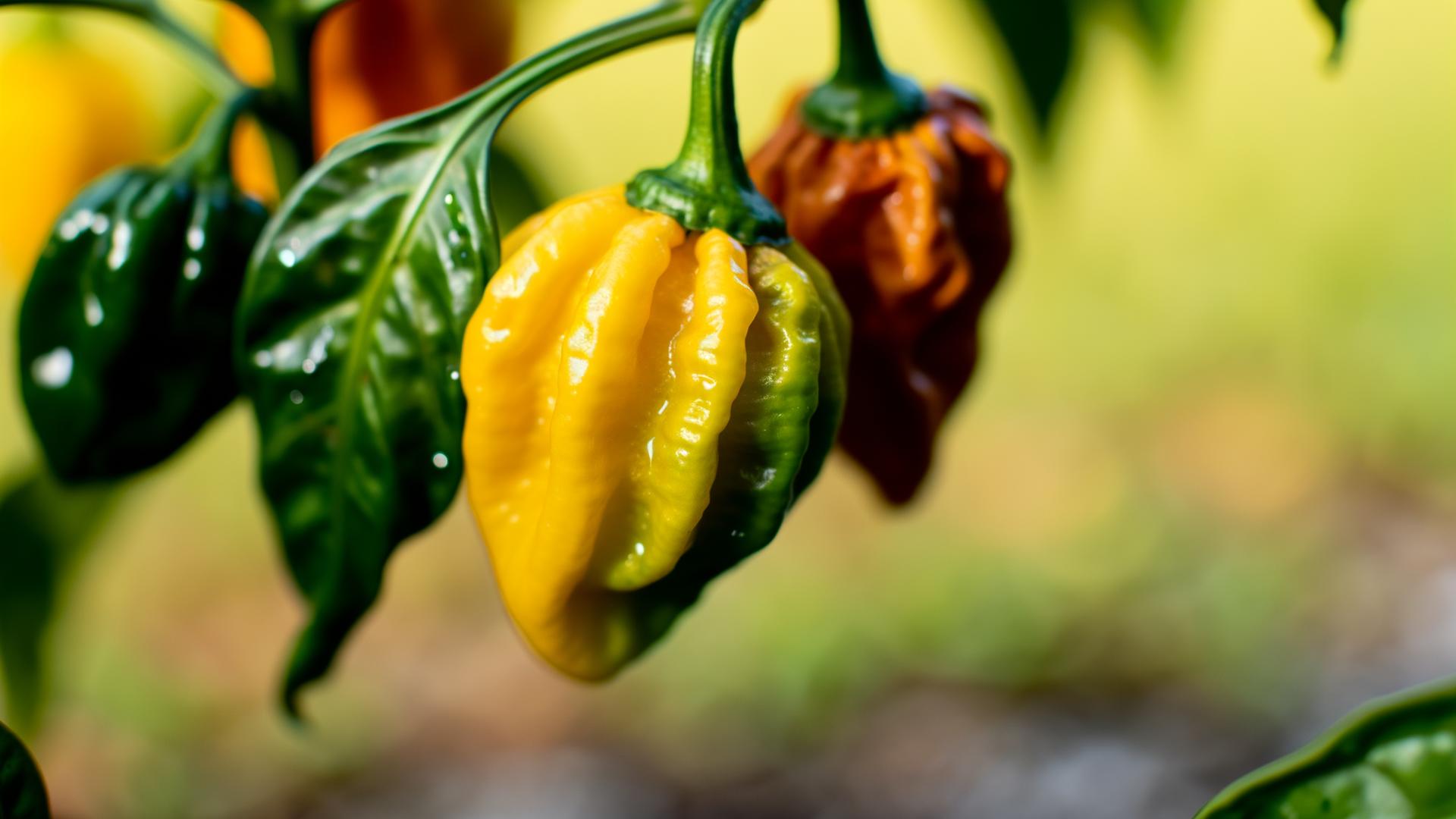
The Scotch Bonnet wears its name with flamboyant flair, reminiscent of the traditional Scottish hat. These peppers boast a variety of colors, from green in their unripened form to vivid reds, yellows, and oranges once matured. Each hue holds its own distinctive flavor profile, often described as fruity with hints of apple and cherry, alongside their renowned fiery spice level.
Measuring between 100,000 to 350,000 Scoville Heat Units (SHU), Scotch Bonnets are not for the faint-hearted. They deliver a potent punch that's both revered and feared by chili enthusiasts worldwide. Yet, despite this fiery nature, they are cherished for adding a sweet, fruity, and fragrant note to an array of dishes.
Essential Growing Requirements
Embarking on the journey of cultivating Scotch Bonnet peppers requires understanding their fundamental needs. With their tropical origins, these peppers flourish in warm, humid climates. Yet, with care, they can also be nurtured in cooler regions.
Climate and Location
Scotch Bonnet peppers prefer a warm growing environment, ideally with temperatures ranging from 75°F to 85°F. It’s crucial to protect these plants from temperature drops, particularly below 60°F, which can halt growth or even damage the plant.
Soil Preferences
A well-draining soil mix is imperative. Sandy loam is ideal, enriched with organic compost to boost fertility and water retention. The pH level should be mildly acidic to neutral, around 6.0 to 7.0. Such a combination ensures that roots can breathe and receive adequate nutrients.
Watering Needs
Consistent watering is key, maintaining moisture without allowing the soil to become waterlogged. A drip irrigation system can prove beneficial, reducing the risk of foliage diseases that can occur with overhead watering techniques.
Sunlight and Spacing
Sunlight is a cherished ally in the Scotch Bonnet's growth, warranting at least 6-8 hours of direct sunlight daily. When planting, provide ample space for each plant, typically around 18-24 inches apart. This spacing allows sunlight penetration and air circulation, reducing the chance of fungal diseases.
Cultivation Process
Starting a Scotch Bonnet garden can feel like an art form, blending patience with meticulousness. Here's a detailed guide from sowing seeds to harvesting those fiery fruits.
Sowing Seeds
Start with high-quality seeds, sometimes directly saved from previous crops. If you're beginning with seeds, start them indoors about 8 to 10 weeks before the last expected frost date. Use seed trays and a light potting mix, placing seeds about a quarter-inch deep. Maintaining a temperature around 80°F will encourage quicker germination.
Seedling Care
Once the seeds sprout, which can take a few weeks, young plants will crave ample light. A sunny windowsill or grow lights can help, ensuring seedlings develop robustly. Regularly rotate trays to prevent seedlings from leaning towards a single light source.
Transplanting and Outdoor Adjustment
When seedlings grow to about 6 inches and display several true leaves, they'll be ready for transplanting. However, harden them off first by gradually exposing them to outdoor conditions over a week. This process involves placing them outside for increasing periods daily, beginning with shaded areas before full sun exposure.
Supporting Growth
Once in the garden, provide stakes or cages to support plants as they grow. This helps prevent branches from breaking under the weight of heavy fruits. Mulching with straw or grass clippings can assist in retaining soil moisture, regulating temperature, and minimizing weeds.
Pest and Disease Management
Scotch Bonnet plants can sometimes attract pests like aphids, spider mites, and whiteflies. Engage natural predators like ladybugs or employ insecticidal soap sprays for organic pest control. Also, keep an eye for signs of bacterial wilt and mosaic viruses, and remove any infected plants promptly to prevent spread.
Nutrient Boosting
Fertilize sparingly but wisely, using a balanced N-P-K fertilizer. Start feeding when flowers form, favoring those with lower nitrogen to promote fruiting rather than foliage growth. An overabundance of nitrogen can lead to lush leaves but few peppers.
Harvesting and Utilizing Scotch Bonnets
With their vibrant, sunshine-deep colors, Scotch Bonnets announce their readiness with vigor. Harvesting begins about 10-12 weeks from the day of transplanting. To pick, cut peppers carefully with pruners or scissors to avoid damaging the plant. Peppers can continue to ripen off the vine, providing a mild increase in heat and sweetness.
Once gathered, the culinary journey of Scotch Bonnet peppers begins. These spicy gems are critical in jerk seasonings, hot sauces, marinades, and salsas. Their innate sweetness and heat add complexity, enhancing simple dishes into gourmet delights.
Storing Your Bounty
To preserve Scotch Bonnets for the season, they can be dried, pickled, or frozen. Drying them whole or sliced allows them to be ground into a potent powder. Alternatively, pickling in vinegar extends their use in salads or as an accompaniment to stews. Freezing involves merely washing, drying, and sealing them in airtight bags, retaining their flavor and heat for months.
The Future of Scotch Bonnet Peppers
As the world’s culinary palate expands, so too does the potential of the Scotch Bonnet. Beyond traditional Caribbean dishes, innovative chefs incorporate these peppers into global cuisines, continuously discovering new uses and admirers.
For gardeners and food enthusiasts alike, cultivating and cooking with Scotch Bonnet peppers can be a rewarding endeavor, offering a taste of the Caribbean sun and a burst of floral fruitiness accompanied by a lingering heat that stimulates the senses.
FAQ
-
How spicy are Scotch Bonnet peppers?
Scotch Bonnets measure between 100,000 to 350,000 Scoville Heat Units (SHU), making them quite fiery.
-
Can Scotch Bonnet peppers be grown indoors?
Yes, if provided with adequate light and warmth, Scotch Bonnets can thrive indoors.
-
How long does it take for Scotch Bonnet peppers to mature?
Scotch Bonnets typically mature in about 10-12 weeks post-transplanting.
-
What's the difference between Scotch Bonnet and Habanero peppers?
While both are Capsicum chinense, Scotch Bonnets are sweeter and more fruity compared to the more citrusy Habanero.
-
How do I store Scotch Bonnet peppers?
They can be dried, pickled, or frozen to preserve their flavor and heat.
-
What choices of soil are best for Scotch Bonnet plants?
Well-drained sandy loam with organic compost is ideal for Scotch Bonnets.
-
Can I plant Scotch Bonnets in a cooler climate?
With careful management and protection from cold, you can grow them in cooler climates.
-
Are there any companion plants beneficial to Scotch Bonnet growth?
Basil, marigold, and onions act as deterrents for pests and are good companion plants.
-
How do I know when to harvest Scotch Bonnet peppers?
When they reach their full color, are firm, and slightly glossy, they're ready to be harvested.
-
What pests are most common in affecting Scotch Bonnet plants?
Aphids, spider mites, and whiteflies are common pests targeting Scotch Bonnets.
Discussion (0)
No comments yet. Be the first to start the conversation!
Leave a Reply