The Peculiar Peter Pepper: A Gardening Odyssey
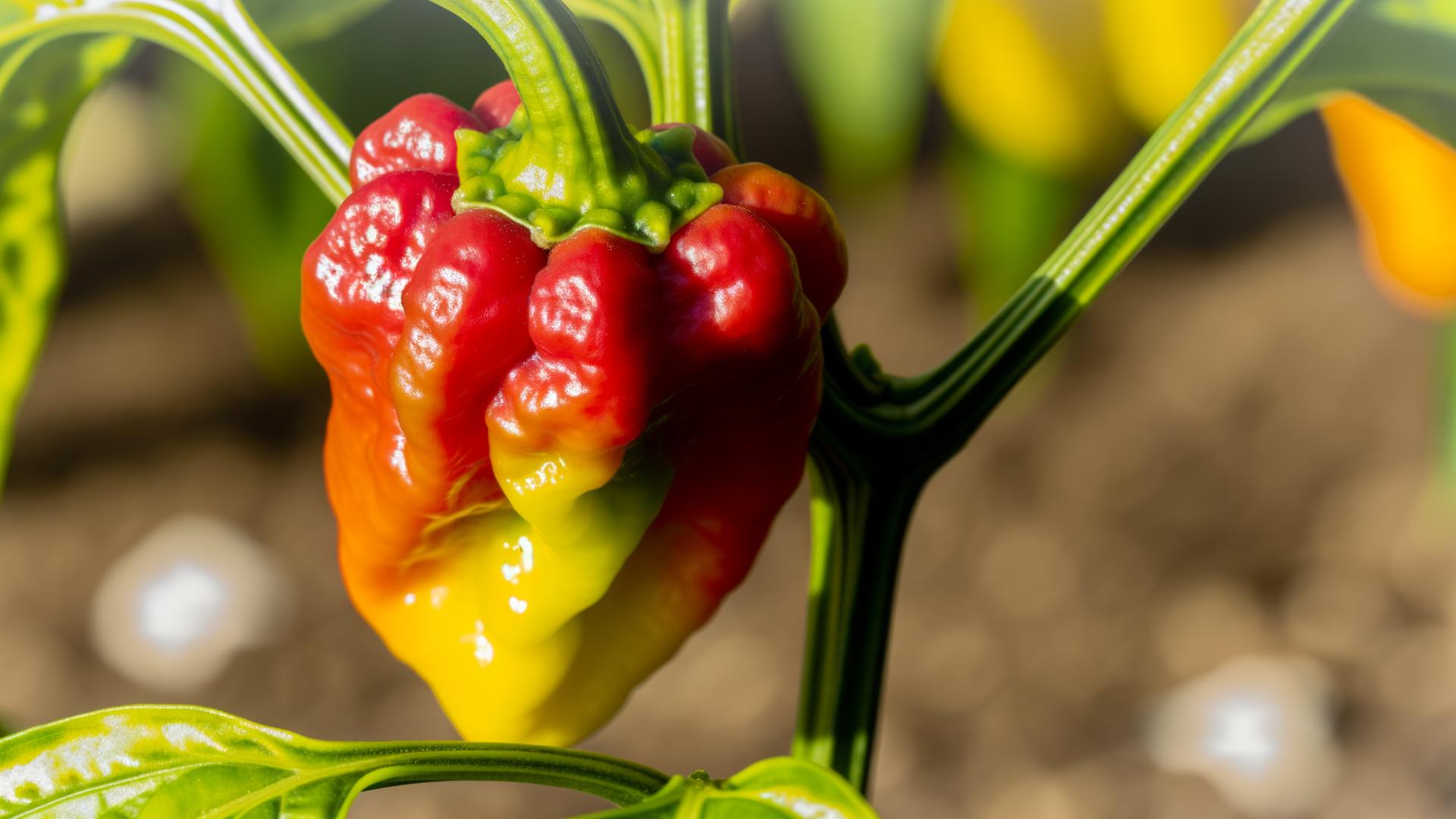
In the vast, diverse world of gardening, there lies a peculiar pepper known as the Peter Pepper, or more informally, the Penis Pepper. This strikingly unusual chili pepper is not only recognized for its hot and spicy flavor but also, quite humorously, for its shape, which resembles a certain anatomical feature. While it may elicit a chuckle or two in your garden gatherings, the Peter Pepper is more than just a novelty. It represents a delightful gardening challenge and a spicy surprise for culinary adventurers.
The Peter Pepper is a cultivar of Capsicum annuum, coming in shades of red, yellow, and orange. This chili's delightfully spicy nature—more robust than the jalapeño—makes it a delectable addition to salsas and hot sauces. Known to be slightly less intensive in cultivation than other peppers, the Peter Pepper demands specific growing conditions and care for an optimal yield.
Understanding the Peter Pepper's Requirements
Like every plant in your garden, Peter Pepper has its own list of requirements that must be fulfilled to ensure a healthy growth cycle. Understanding these needs is the first step towards a successful cultivation.
Climate and Location
Peter Peppers thrive in warm, sunlit environments. They're heat-loving plants that prefer temperatures between 70-85°F (21-29°C). A frost-free environment is critical; thus, if you live in a colder region, consider starting your seeds indoors or using a greenhouse.
These peppers crave full sun, so choose a location in your garden that receives at least 6-8 hours of direct sunlight each day. The combination of heat and sunlight ensures the pepper plants have the conditions needed for a fruitful journey to maturity.
Soil Requirements
Well-draining soil enriched with organic matter is vital for Peter Peppers. They are not very forgiving of soggy conditions. Hence, adopting a blend of loamy soil, enriched with compost, will enhance drainage and nutrient availability. Aim for a soil pH of 6.0 to 6.8 to foster optimal growth conditions.
Watering Needs
While water is essential, overwatering could lead to root rot, a common ailment for peppers. The rule of thumb is to maintain consistent moisture in the soil but allow the top inch to dry out between waterings. Mulching can help retain moisture and regulate the soil temperature, enhancing the plant's health.
Nutrient Requisites
Feeding your Peter Pepper adequately ensures robust growth and spicy produce. A balanced, organic fertilizer rich in nitrogen, phosphorus, and potassium should suffice. Start feeding the plant once blooms appear, every 4 to 6 weeks. However, exercise caution not to over-fertilize, as this can lead to excessive foliage at the expense of fruit production.
The Cultivation Process
Cultivating Peter Peppers requires a patient, watchful gardener with an eye for details. From planting seeds to harvesting ripe peppers, each step demands attention to detail to ensure a thriving crop.
Planting Peter Peppers
Seed Starting
Begin your Peter Pepper adventure with seeds. Start indoors about 8-12 weeks before the last expected frost date in your region. Use seed trays filled with a quality seed-starting mix, and plant the seeds approximately ¼ inch deep.
Maintain a warm environment with temperatures around 75-80°F (24-27°C) to ensure germination, which typically takes between 14-28 days. An indoor heating mat can enhance germination rates if environmental conditions aren't suitable.
Transplanting and Spacing
Once seedlings develop true leaves and after the danger of frost has passed, they are ready for transplanting. Harden off the seedlings by gradually exposing them to outdoor conditions over a week.
Space the plants about 18-24 inches apart in a well-prepared garden bed. This spacing allows ample room for growth and air circulation, reducing the risk of disease.
Nurturing Growth
Pruning and Staking
Pruning your Peter Peppers can help produce more vigorous plants that bear more fruit. Pinch off early flowers and lower leaves to encourage a strong central stem. Staking or using a cage might be beneficial as the plants begin to fruit heavily, providing support and preventing branches from breaking.
Pest and Disease Management
Peter Peppers, like all garden favorites, can fall victim to pests and diseases. Look out for common culprits like aphids, spider mites, and whiteflies. Regular inspection and dealing with any signs of pests early using organic insecticidal soap or neem oil can prevent infestations.
As for diseases, pepper plants can be susceptible to fungal infections like powdery mildew. Ensuring proper spacing and removing symptomatic leaves can minimize these risks.
Harvesting the Bizarre Beauty
The Peter Pepper’s distinctive shape makes it easy to identify when it's ripe. Typically, peppers are ready to pick when they reach full color—whether red, yellow, or orange—and feel firm to the touch.
Use a sharp knife or garden snips to harvest, cutting the peppers with a short piece of stem attached to prolong their shelf life.
Culinary Uses and Preservation
Once harvested, Peter Peppers can spice up a variety of dishes. Their heat makes them perfect for adding a kick to salsas, stir-fries, and marinades. They can also be dried for use in spice mixes or pickled to enjoy over time.
For preservation, consider drying the peppers to make your own spicy chili flakes or powdering them for a homemade hot pepper seasoning. Freezing is another excellent option, allowing you to capture that summer heat for the depths of winter.
A Historical and Cultural Glimpse
The Peter Pepper has intrigued gardeners and culinary enthusiasts for decades, if not longer. Its origins are a bit of a mystery, with stories suggesting it originated in the southern United States or Central America. This quirky pepper often steals the show at chili festivals and garden events, offering a fun conversation starter.
Its role in informal tolerance challenges, where the daring are judged by how many they can stomach, only adds to its folkloric appeal. Despite—or perhaps because of—its humorous shape, the Peter Pepper continues to fascinate and delight those curious enough to cultivate it.
Cultivating Community with Peter Peppers
Planting Peter Peppers offers more than just unique produce; it fosters an adventurous gardening community willing to share a laugh over nature’s whimsy. Whether shared through seed exchanges or spicy recipe challenges, this pepper builds bonds over its playful presence.
Are Peter Peppers difficult to grow?
Not particularly. With the right conditions—warmth, sunlight, and well-draining soil—Peter Peppers thrive similarly to other chili peppers.
What level of heat do Peter Peppers have?
Peter Peppers are moderately hot, typically ranging from 5,000 to 30,000 Scoville Heat Units, placing them above jalapeños but below habaneros in terms of spice.
Can Peter Peppers be grown indoors?
Yes, with sufficient sunlight or grow lights, Peter Peppers can be successfully cultivated indoors. Ensure they receive 12-16 hours of light daily.
How long do Peter Peppers take to mature?
After transplanting, Peter Peppers typically take 70-90 days to mature and are ready for harvest.
What pests are most common for Peter Peppers?
Aphids, spider mites, and whiteflies are the most common pests for Peter Peppers. Regular monitoring and treatment with organic insecticidal solutions can manage them effectively.
Are there any known companion plants for Peter Peppers?
Yes, basil, marigolds, and onions are excellent companion plants for Peter Peppers as they can deter pests and enhance growth.
How can I use Peter Peppers in cooking?
Peter Peppers can be used fresh in salsas, dried as spice flakes, or pickled for a tangy twist. They are excellent for adding heat to any dish.
What are some signs that my Peter Peppers are overwatered?
Yellowing leaves, wilting, and rot at the base of the plant are common signs of overwatering. Ensuring proper drainage and letting soil dry between waterings can prevent this.
Is it possible to save Peter Pepper seeds?
Yes, you can save seeds from mature Peter Peppers for future planting. Ensure they are fully dried before storage in a cool, dark place.
Do Peter Peppers cross-pollinate with other peppers?
Yes, Peter Peppers can cross-pollinate with other Capsicum annuum varieties. If purity is a concern, keep different pepper types separated.
Discussion (0)
No comments yet. Be the first to start the conversation!
Leave a Reply