Unveiling the Spicy Delight: The Habanero Yellow Pepper
The Habanero Yellow Pepper is a sun-kissed gem of the Capsicum chinense species that adds a burst of fiery flavor to culinary creations. Renowned for its vibrant hue and pungent heat, this pepper has intrigued gardeners and chefs alike. With its cheerful yellow color, it catches the eye and tantalizes the taste buds, making it a must-have in diverse gardens around the world. Beyond its aesthetic appeal, the pepper packs a potent punch of heat that ranks between 100,000 to 350,000 Scoville Heat Units (SHU), cementing its place among the fieriest of the Capsicum family.
A Brief History of Habanero Yellow Pepper
Originating from the tropical regions of the Amazon, the Habanero made its transcontinental journey to the Yucatán Peninsula and the Caribbean. The pepper’s name, "Habanero," suggests its Cuban ties due to "Habana," the Spanish name for Havana. Over time, it was embraced by Mexican cuisine, becoming a staple in salsas, sauces, and various dishes. Today, it's a global sensation, appreciated not only for its heat but also for its fruity and floral notes that balance its fiery nature.
Botanical Description
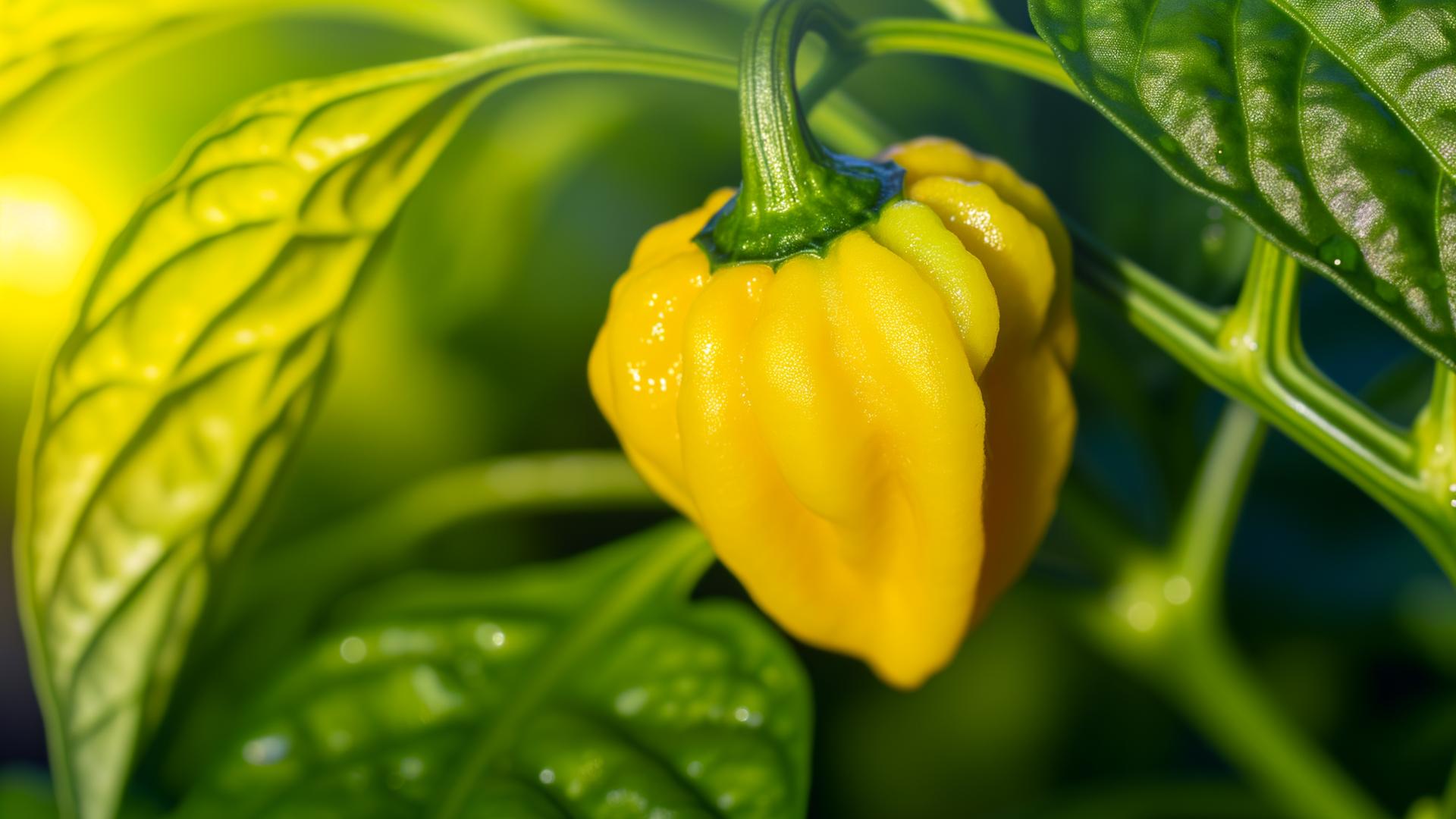
The Habanero Yellow Pepper is classified as a perennial but is often grown as an annual in non-tropical climates. The plant itself stands lush with deep green leaves and can reach heights of 2-4 feet. The peppers are lantern-shaped, typically measuring 1-2 inches long, with vibrant yellow skin that signifies its ripened stage. Inside, the seeds cling to a central core, surrounded by a crisp flesh that holds the intense flavors and heat.
Requirements for Growth
Cultivating Habanero Yellow Peppers requires a balance of warmth, light, and patience. Whether you're a novice gardener eager to explore spicy crops or a seasoned expert aiming to diversify your plant family, understanding the fundamental growing requirements of these peppers is crucial.
Climate Needs
Being native to warm, humid environments, Habanero Yellow Peppers thrive best in temperatures ranging from 70°F to 95°F (21°C to 35°C). They are sensitive to frost and cold spells, which can severely stunt growth or even kill the plants. To flourish, they need a prolonged warm season, making them perfect candidates for tropical and subtropical climates.
Soil and Water
These peppers prefer well-drained, sandy-loam soil enriched with organic matter. Maintain a pH level between 6.0 and 6.5 for optimal growth. It's vital to ensure that the soil retains moisture without becoming waterlogged, which can lead to root rot. A consistent watering schedule that keeps the soil moist but not saturated is ideal. Once established, ensure deep watering, avoiding surface-level irrigation, to encourage a robust root system.
Sunlight Requirements
Habaneros crave the full embrace of the sun, requiring at least 6-8 hours of direct sunlight daily. Position your plants in the sunniest part of your garden or use grow lights if cultivating indoors. Adequate sunlight not only promotes vigorous growth but also enhances the pepper’s flavor profile.
Cultivation Process
Growing the Habanero Yellow Pepper requires a gardener's patience and precision. From seed to harvest, each step contributes to the success of your spicy endeavor.
Seed Starting
Begin the journey indoors, starting seeds roughly 8-10 weeks before the last expected frost date in your area. Use seed trays filled with a high-quality potting mix to provide a nourished starting environment. Sow seeds about 1/4 inch deep and maintain a steady warmth of 75°F to 85°F (24°C to 29°C) to encourage germination, which typically occurs within 14-21 days.
Transplanting
Once seedlings have developed their second set of true leaves and after the danger of frost has passed, transplant them outdoors. Allow your plants time to acclimate by gradually introducing them to external conditions, a process known as “hardening off.” Space them at least 18-24 inches apart to ensure good air circulation, which reduces disease risk and promotes healthy growth.
Care and Maintenance
Regular monitoring and maintenance will help your Habanero Yellow Peppers reach their full potential. Fertilize sparingly; an initial application of a balanced fertilizer followed by regular doses of a phosphorus-heavy formula can boost blooming and fruiting.
Pest control is essential. While these peppers are hardy against many diseases, they can still fall victim to aphids, nematodes, and spider mites. Employ natural remedies such as neem oil or introduce beneficial insects like ladybugs to your garden.
Harvesting and Storage
Habanero Yellow Peppers are ready to harvest when they have fully developed their characteristic vibrant yellow color. Use scissors or a knife to cut peppers off the plant, avoiding damage that could invite disease.
Once harvested, store your peppers in a cool, dry place. They can also be dried, pickled, or frozen for longer preservation without losing their potent heat.
Creative Culinary Uses
The culinary uses of the Habanero Yellow Pepper are as extensive as they are spicy. While handling these peppers, be mindful of their heat, and wearing gloves is advisable to prevent irritation.
Add them to fresh salsas or fruit-based dips for an exotic kick, or incorporate them into sauces and marinades to impart a slow-building spice. Their unique flavor also shines in sweet applications; try infusing them in honey or pairing with tropical fruits like mango and pineapple for a captivating contrast.
Health Benefits
Beyond heat and flavor, the Habanero Yellow Pepper is a powerhouse of health benefits. Rich in vitamins C and A, these peppers boost immunity and support skin health. Capsaicin, the compound responsible for the pepper’s fiery bite, has been linked to metabolic and cardiovascular benefits. It may also provide pain relief when used topically, due to its desensitizing properties on nerve endings.
Troubleshooting Common Growing Issues
Poor Germination
If germination is slow, the seeds may be too old or the temperature inconsistent. Ensure fresh seeds and a stable environment to improve results.
Yellowing Leaves
Yellowing can indicate nutrient deficiencies, overwatering, or inadequate drainage. Adjust your watering schedule and consider a soil amendment.
Fruit Drop
If young fruits are dropping prematurely, it might be due to stress from fluctuating temperatures or inconsistent watering. Maintain stable conditions to prevent this problem.
Frequently Asked Questions
How hot are Habanero Yellow Peppers compared to other peppers?
Habanero Yellow Peppers rank between 100,000 to 350,000 SHU, significantly hotter than jalapeños but milder than the Caribbean Red Habanero.
What is the best soil type for growing Habanero Yellow Peppers?
Well-drained, sandy-loam soil enriched with organic matter and maintaining a pH of 6.0 to 6.5 is ideal.
How long does it take for Habanero Yellow Peppers to germinate?
It typically takes 14-21 days for the seeds to germinate under optimal conditions.
Can I grow Habanero Yellow Peppers indoors?
Yes, they can be grown indoors provided they receive ample light; using grow lights is recommended in this case.
What kind of fertilizer should I use?
Start with a balanced fertilizer, then switch to a phosphorus-rich formula to support blooming and fruiting.
How do I manage pests on Habanero Yellow Peppers?
Use natural remedies such as neem oil or introduce beneficial insects like ladybugs to manage pests.
When should I harvest my peppers?
Harvest when the peppers reach their full vibrant yellow color and are firm.
How do I store harvested Habanero Yellow Peppers?
Store them in a cool, dry place or opt for drying, pickling, or freezing for extended preservation.
Are Habanero Yellow Peppers healthy to eat?
Yes, they are rich in vitamins and capsaicin, offering numerous health benefits.
How can I use Habanero Yellow Peppers in cooking?
They are versatile and can be used in salsas, sauces, marinades, or infused in honey for a spicy-sweet twist.
{ "@context": "https://schema.org", "@type": "FAQPage", "mainEntity": [ { "@type": "Question", "name": "How hot are Habanero Yellow Peppers compared to other peppers?", "acceptedAnswer": { "@type": "Answer", "text": "Habanero Yellow Peppers rank between 100,000 to 350,000 SHU, significantly hotter than jalapeños but milder than the Caribbean Red Habanero." } }, { "@type": "Question", "name": "What is the best soil type for growing Habanero Yellow Peppers?", "acceptedAnswer": { "@type": "Answer", "text": "Well-drained, sandy-loam soil enriched with organic matter and maintaining a pH of 6.0 to 6.5 is ideal." } }, { "@type": "Question", "name": "How long does it take for Habanero Yellow Peppers to germinate?", "acceptedAnswer": { "@type": "Answer", "text": "It typically takes 14-21 days for the seeds to germinate under optimal conditions." } }, { "@type": "Question", "name": "Can I grow Habanero Yellow Peppers indoors?", "acceptedAnswer": { "@type": "Answer", "text": "Yes, they can be grown indoors provided they receive ample light; using grow lights is recommended in this case." } }, { "@type": "Question", "name": "What kind of fertilizer should I use?", "acceptedAnswer": { "@type": "Answer", "text": "Start with a balanced fertilizer, then switch to a phosphorus-rich formula to support blooming and fruiting." } }, { "@type": "Question", "name": "How do I manage pests on Habanero Yellow Peppers?", "acceptedAnswer": { "@type": "Answer", "text": "Use natural remedies such as neem oil or introduce beneficial insects like ladybugs to manage pests." } }, { "@type": "Question", "name": "When should I harvest my peppers?", "acceptedAnswer": { "@type": "Answer", "text": "Harvest when the peppers reach their full vibrant yellow color and are firm." } }, { "@type": "Question", "name": "How do I store harvested Habanero Yellow Peppers?", "acceptedAnswer": { "@type": "Answer", "text": "Store them in a cool, dry place or opt for drying, pickling, or freezing for extended preservation." } }, { "@type": "Question", "name": "Are Habanero Yellow Peppers healthy to eat?", "acceptedAnswer": { "@type": "Answer", "text": "Yes, they are rich in vitamins and capsaicin, offering numerous health benefits." } }, { "@type": "Question", "name": "How can I use Habanero Yellow Peppers in cooking?", "acceptedAnswer": { "@type": "Answer", "text": "They are versatile and can be used in salsas, sauces, marinades, or infused in honey for a spicy-sweet twist." } } ] }
Discussion (0)
No comments yet. Be the first to start the conversation!
Leave a Reply