The Enigmatic Habanero White Pepper: A Colorful Journey
When the vibrant tapestries of tropical flavors cross paths with a gently fickle climate, the enigmatic Habanero White Pepper emerges as a splendid gem in the capsicum family. Often overshadowed by its fiery cousins flaunting red, orange, and green hues, this pale pepper boasts a unique character worthy of exploration by both novice and seasoned gardeners.
A Brief Overview of Habanero White Pepper
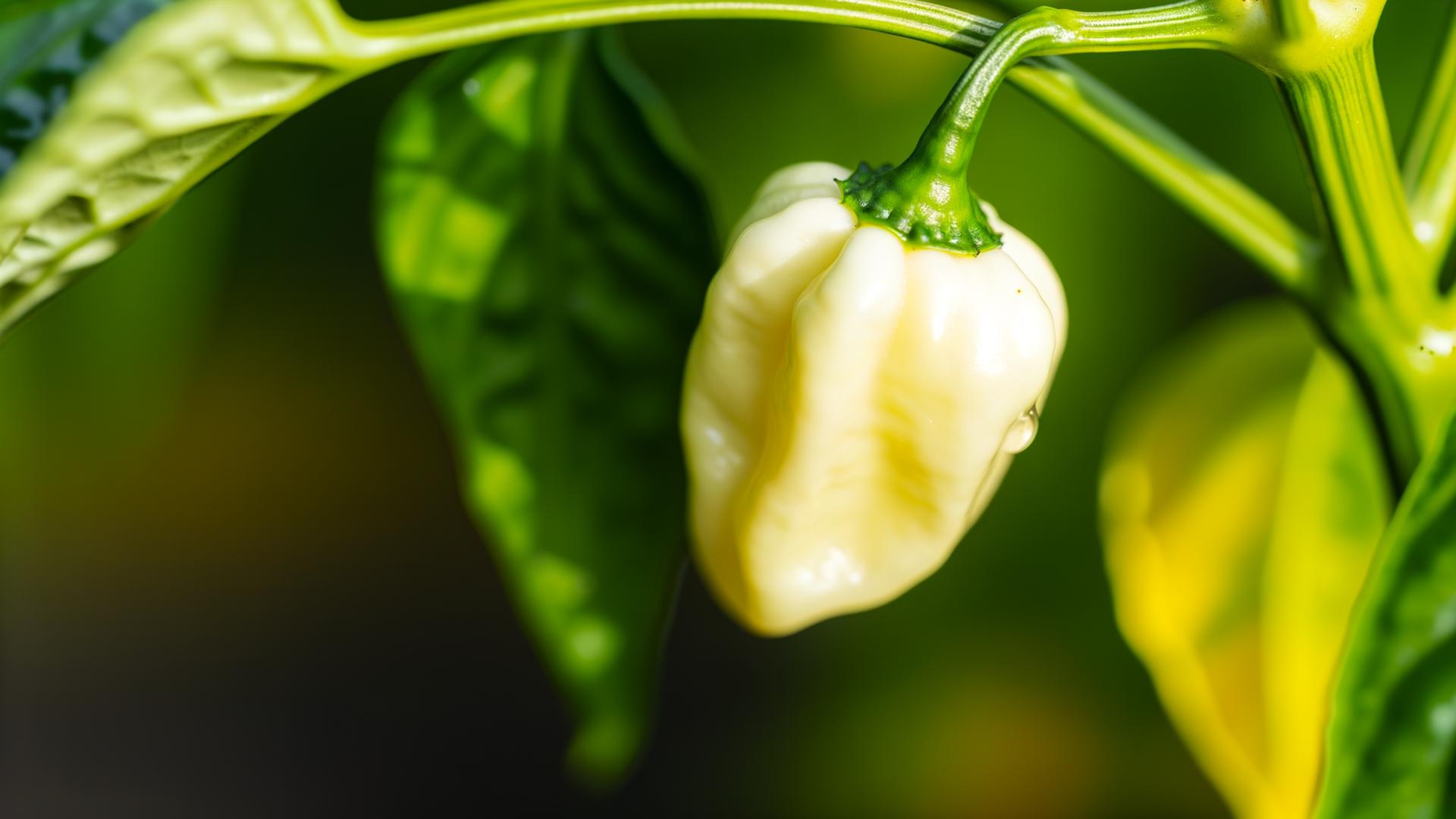
The Habanero White Pepper (Capsicum chinense) is a rare and exquisite variety of the familiar Habanero pepper. Originating from the lush landscapes of the Amazon rainforest, it later found popularity in the Yucatán Peninsula, sprouting its roots deep into Caribbean and Central American culture. What makes the white variety particularly intriguing is its muted yet distinctive color. Its creamy white to light ivory visage creates an ethereal contrast to the fiery heat stored within, veiling its intensity in a cloak of elegance.
Despite their petite and unassuming appearance, Habanero White Peppers are notorious for their intense heat, typically ranging between 100,000 to 350,000 Scoville Heat Units (SHU). This places them comfortably among the fierier peppers, making them a choice only for those with spicier tongues or a penchant for culinary experimentation.
Understanding the Cultivation Requirements
Growing Habanero White Peppers is an art that requires both patience and precision. They thrive best in conditions reminiscent of their tropical heritage, making it essential for aspiring gardeners to replicate these conditions to ensure a bountiful harvest.
Climate and Soil Preferences
Habanero White Peppers are sun-loving perennials in their native habitat but are commonly grown as annuals in temperate regions. They require a warm and sunny climate with temperatures between 75°F to 95°F (24°C to 35°C) for optimal growth. If cultivated in less temperate zones, indoor cultivation or greenhouse gardening can provide the necessary warmth and protection.
Soil plays a pivotal role in the pepper’s development. Well-drained, sandy loam soils enriched with organic matter create a nurturing environment. A pH range between 6.0 and 6.8 is ideal, ensuring the soil is neither too acidic nor too alkaline for optimal nutrient absorption.
Starting Your Seeds
When embarking on the journey to cultivate Habanero White Peppers, seed starting should commence indoors approximately 8-10 weeks before the last expected frost date in your region. This time frame allows for a level of hardiness to develop before transplantation.
Seed Sowing Guidelines:
- Containers: Choose seed trays or any container with good drainage.
- Soil Medium: Use a sterilized seed-starting mix to prevent diseases.
- Sowing Depth: Plant seeds about 1/4 inch deep, ensuring a light covering of soil.
- Germination Conditions: Maintain temperatures around 80°F (27°C) with adequate moisture and humidity. A heat mat can assist in regulating soil temperature.
- Light Requirements: Once seedlings emerge, provide 12-16 hours of light daily using grow lights to prevent legginess.
Transplantation and Space Management
Once the seedlings develop at least two sets of true leaves, they are ready for transplantation. It is crucial to acclimate them gradually to outdoor conditions through a process called hardening off.
Transplantation Checklist:
- Timing: Wait until the danger of frost passes, and temperatures maintain consistent warmth.
- Spacing: Plant seedlings 18-24 inches apart to ensure adequate airflow and minimize competition for nutrients.
- Depth: Transplant seedlings at the same depth as they were grown indoors.
Care and Maintenance
Once settled into their garden beds or containers, continuous care is essential for your Habanero White Peppers to flourish.
Watering:
Habanero White Peppers require consistent moisture, but like many pepper varieties, they do not favor waterlogged conditions. It's vital to water them deeply yet infrequently, allowing the top inch of soil to dry between watering sessions. This practice encourages deep root growth and enhances drought resistance.
Fertilization:
A balanced, all-purpose fertilizer administered every few weeks can provide the necessary nutrients. Moreover, adding compost or other organic amendments enriches soil fertility, improving plant vigor.
Pest and Disease Management:
Though relatively hardy, peppers may fall prey to aphids, whiteflies, and spider mites. Regular inspections and natural remedies such as introducing beneficial insects or using insecticidal soap can mitigate these problems. Additionally, maintaining proper spacing and air circulation helps prevent diseases like mildew and rot.
Harvesting the Gems
The most rewarding part of growing Habanero White Peppers is the harvest. Patience is key, as these peppers typically require 90-100 days from planting to reach maturity. They are ready to pick when they achieve full size and exhibit a smooth, uniform color. A gentle tug or snip with scissors will release them from their branches, ready to spice up any culinary masterpiece.
Culinary Uses and Beyond
Once harvested, Habanero White Peppers bring a unique blend of fruity heat to the table. Their creamy texture and subtle sweetness marry well with a plethora of dishes. From infusing oils and making hot sauces to spicing up salads and salsas, their uses are as diverse as the horticulturist’s imagination.
Beyond the culinary realm, these peppers also have potential health benefits, including potentially boosting metabolism and providing a source of vitamins A and C. However, caution should always be exercised given their intense heat.
Troubleshooting Common Issues
Even the most experienced gardeners may encounter challenges when cultivating Habanero White Peppers. By recognizing symptoms and understanding their potential causes, gardeners can effectively address many common issues:
Yellowing Leaves
Yellowing leaves often signify a nutrient deficiency, commonly nitrogen. Ensure an adequate, balanced fertilizer schedule is maintained to remediate this issue. Also check for overwatering, as soggy conditions can lead to root rot.
Blossom End Rot
This disorder commonly arises from calcium deficiency or inconsistent watering. Adding calcium supplements can help, along with maintaining a regular watering schedule to prevent stress during fruit development.
Slow Growth
Inadequate sunlight, temperature fluctuations, or nutrient deficiencies may contribute to sluggish growth. Ensure your plants receive ample sunlight, consistent warmth, and a well-balanced diet of nutrients.
Conclusion
Cultivating Habanero White Peppers is a fulfilling endeavor that rewards gardeners with both visual appeal and a spicy addition to their culinary repertoire. Whether grown in garden beds, containers, or urban settings, these ivory beauties promise spirited adventures in gardening and cuisine alike.
Frequently Asked Questions
How long does it take for Habanero White Peppers to germinate?
Habanero White Pepper seeds typically germinate within 7 to 14 days, provided they are kept in warm conditions, around 80°F (27°C), with consistent moisture and humidity.
What are common pests affecting Habanero White Peppers, and how can they be managed?
Habanero White Peppers are commonly affected by aphids, whiteflies, and spider mites. These can be managed using natural predators, insecticidal soaps, or neem oil, and ensuring good plant health.
Can Habanero White Peppers be grown in containers?
Yes, they can be effectively grown in containers. Ensure the container has good drainage, is at least 12 inches deep, and provides enough space for plant root growth.
What is the ideal climate for Habanero White Peppers?
These peppers prefer warm climates with plenty of sunshine and temperatures ranging from 75°F to 95°F (24°C to 35°C) for optimal growth and fruiting.
How do I handle the heat when cooking with Habanero White Peppers?
To manage their intense heat, consider using only a portion of the pepper and pairing it with ingredients that can balance its spiciness, such as dairy products or natural sweeteners.
Why are my Habanero White Pepper leaves turning yellow?
Yellowing leaves can be due to nutritional deficiencies, often nitrogen, or overwatering. Adjusting fertilization and watering practices can help address this issue.
When should I harvest my Habanero White Peppers?
Harvest these peppers when they reach full size and show a smooth, uniform ivory color. This usually occurs around 90 to 100 days after planting.
How often should I water my pepper plants?
Water deeply once a week or when the top inch of soil is dry, avoiding overwatering to prevent root rot while encouraging deep root growth.
Are Habanero White Peppers perennial or annual plants?
In their native tropical climates, they are perennials, but in temperate zones, they are often grown as annuals due to sensitivity to cold weather.
Can I grow Habanero White Peppers indoors?
Yes, they can be grown indoors successfully, particularly in colder climates, provided they receive sufficient light and warmth, ideally from south-facing windows or grow lights.
{ "@context": "https://schema.org", "@type": "FAQPage", "mainEntity": [ { "@type": "Question", "name": "How long does it take for Habanero White Peppers to germinate?", "acceptedAnswer": { "@type": "Answer", "text": "Habanero White Pepper seeds typically germinate within 7 to 14 days, provided they are kept in warm conditions, around 80°F (27°C), with consistent moisture and humidity." } }, { "@type": "Question", "name": "What are common pests affecting Habanero White Peppers, and how can they be managed?", "acceptedAnswer": { "@type": "Answer", "text": "Habanero White Peppers are commonly affected by aphids, whiteflies, and spider mites. These can be managed using natural predators, insecticidal soaps, or neem oil, and ensuring good plant health." } }, { "@type": "Question", "name": "Can Habanero White Peppers be grown in containers?", "acceptedAnswer": { "@type": "Answer", "text": "Yes, they can be effectively grown in containers. Ensure the container has good drainage, is at least 12 inches deep, and provides enough space for plant root growth." } }, { "@type": "Question", "name": "What is the ideal climate for Habanero White Peppers?", "acceptedAnswer": { "@type": "Answer", "text": "These peppers prefer warm climates with plenty of sunshine and temperatures ranging from 75°F to 95°F (24°C to 35°C) for optimal growth and fruiting." } }, { "@type": "Question", "name": "How do I handle the heat when cooking with Habanero White Peppers?", "acceptedAnswer": { "@type": "Answer", "text": "To manage their intense heat, consider using only a portion of the pepper and pairing it with ingredients that can balance its spiciness, such as dairy products or natural sweeteners." } }, { "@type": "Question", "name": "Why are my Habanero White Pepper leaves turning yellow?", "acceptedAnswer": { "@type": "Answer", "text": "Yellowing leaves can be due to nutritional deficiencies, often nitrogen, or overwatering. Adjusting fertilization and watering practices can help address this issue." } }, { "@type": "Question", "name": "When should I harvest my Habanero White Peppers?", "acceptedAnswer": { "@type": "Answer", "text": "Harvest these peppers when they reach full size and show a smooth, uniform ivory color. This usually occurs around 90 to 100 days after planting." } }, { "@type": "Question", "name": "How often should I water my pepper plants?", "acceptedAnswer": { "@type": "Answer", "text": "Water deeply once a week or when the top inch of soil is dry, avoiding overwatering to prevent root rot while encouraging deep root growth." } }, { "@type": "Question", "name": "Are Habanero White Peppers perennial or annual plants?", "acceptedAnswer": { "@type": "Answer", "text": "In their native tropical climates, they are perennials, but in temperate zones, they are often grown as annuals due to sensitivity to cold weather." } }, { "@type": "Question", "name": "Can I grow Habanero White Peppers indoors?", "acceptedAnswer": { "@type": "Answer", "text": "Yes, they can be grown indoors successfully, particularly in colder climates, provided they receive sufficient light and warmth, ideally from south-facing windows or grow lights." } } ] }
Discussion (0)
No comments yet. Be the first to start the conversation!
Leave a Reply