Discovering the World of Habanero Red Savina
In the colorful tapestry of the pepper world, the Habanero Red Savina stands out as a fiery gem, renowned for its scorching heat and vibrant hue. More than just a pepper, it is a horticultural marvel that challenges gardeners and tantalizes taste buds worldwide. Whether you're a spicy food aficionado or a green thumb looking for a new challenge, the Red Savina promises an adventure in cultivation that is as rewarding as it is fiery.
The Heat Behind the Legend
First, let's delve into what makes the Habanero Red Savina so extraordinary. Originally developed by Frank Garcia of GNS Spices in Walnut, California, this pepper once held the record as the hottest pepper in the world, soaring to a staggering 577,000 Scoville Heat Units (SHU). Imagine a pepper that not only dominates your taste buds but also commands respect with its fierce capsaicin content. The Red Savina not only packs an intense heat but also carries a nuanced flavor profile that includes hints of sweetness, fruitiness, and a citrusy tang that enhances culinary creations.
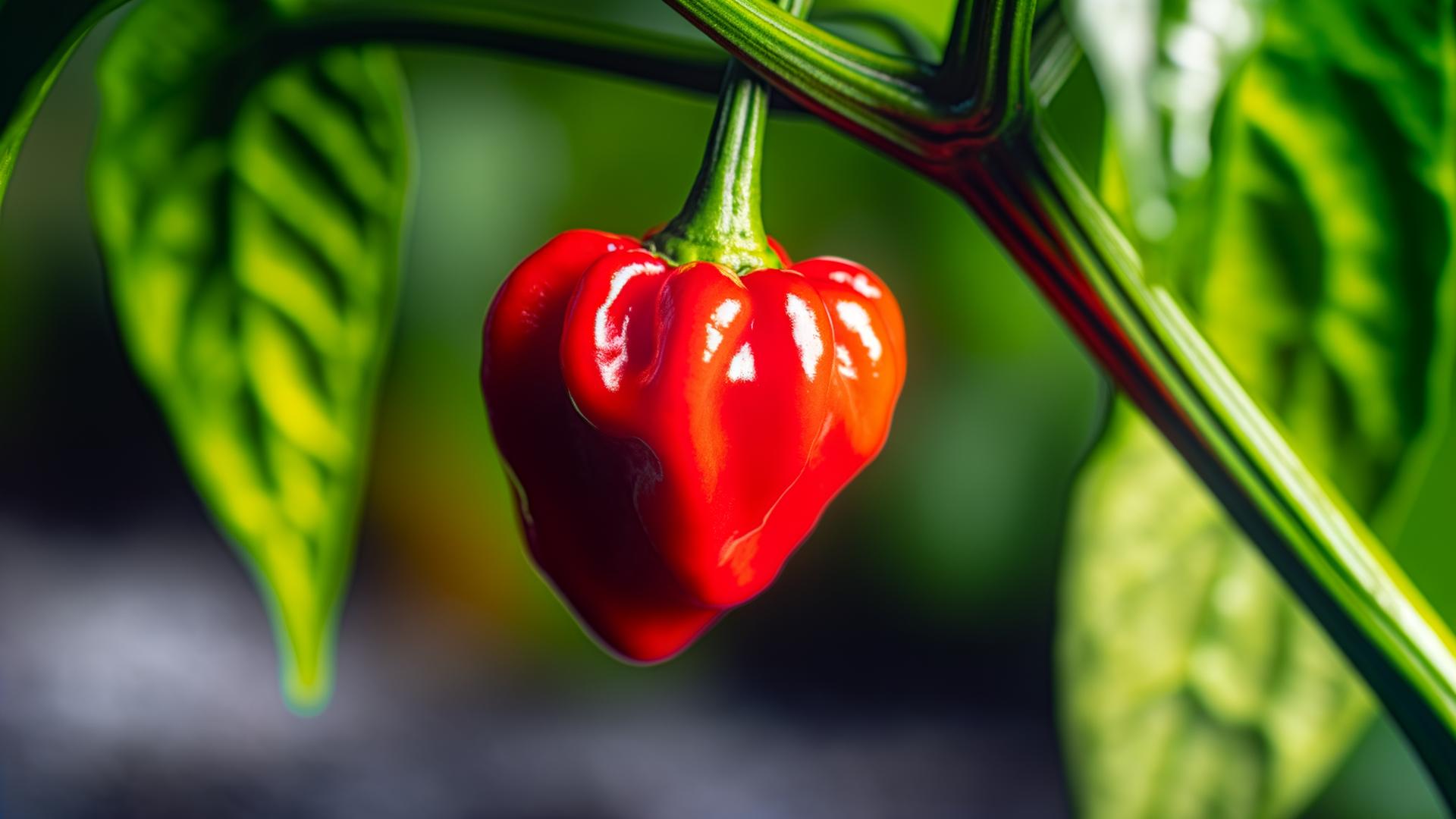
Yet, the Red Savina is more than just its heat. Its vibrant, glossy red color and heart-shaped form add a visual appeal to gardens and dishes alike. With a story as spicy as its flavor, growing this pepper allows gardeners to contribute to an ongoing legacy of heat and innovation.
Essential Requirements for Growing Red Savina
Climate and Soil: Setting the Stage
Growing the Habanero Red Savina requires some groundwork to match its fiery nature. Native to a warm climate, the Red Savina thrives in regions that offer long, sunny days and temperatures consistently between 70°F and 85°F (21°C - 29°C). If you happen to live in a cooler area, fear not! You can still indulge in the spicy journey by using greenhouses or indoor growing setups that simulate the sunny climes these peppers adore.
The secret lies in well-drained soil rich in organic matter. Sandy loam works best, providing the perfect balance of nutrients and drainage to facilitate lush growth. Amend your soil with compost to improve its fertility and retain just the right amount of moisture—a crucial factor for these deep-rooted plants. Soil pH should be slightly acidic, in the range of 6.0 to 7.0, to ensure optimal nutrient absorption.
Sunlight: A Fiery Embrace
Sunlight is the lifeblood of the Red Savina. Aim to plant your peppers in a location where they can bask in at least six to eight hours of direct sunlight each day. This exposure not only fuels their growth but also enhances their vibrant color and fiery flavor. For indoor growers, consider using high-powered grow lights to mimic the sun’s rays, positioning them to provide balanced lighting that encourages robust development.
Watering: Balancing the Elements
Watering the Habanero Red Savina requires a gentle balance. These peppers need consistent moisture, especially during the early stages of growth. However, overwatering can lead to fungal issues and root rot. A deep watering routine once or twice a week, depending on the climate, should suffice. Drip irrigation systems are ideal for delivering steady moisture to the root zone while avoiding saturation. Remember, the goal is moist, not soggy, soil.
Cultivating the Perfect Red Savina
Seed Germination: A Delicate Beginning
Beginning your journey with the Habanero Red Savina starts with the seeds. Because this pepper requires a long growing season, indoor germination is recommended, especially in regions with shorter summers. Start your seeds indoors about 8 to 10 weeks before the last expected frost date in your area.
Sow the seeds about 1/4 inch deep in seed-starting trays filled with a light, well-draining seed mix. Maintain a consistent temperature around 80°F (27°C) to encourage germination, which typically occurs within two to four weeks. Using a heat mat can help maintain optimal soil temperatures.
Transplanting: Moving to New Grounds
As seedlings develop true leaves and reach heights of about 6 inches, they are ready for transplanting. Harden off the seedlings by gradually introducing them to outdoor conditions over a week or two. This process involves placing them outside for a few hours each day, increasing their exposure to sunlight and wind until they acclimate fully.
When the danger of frost has passed, and the soil warms to at least 60°F (15°C), transplant the seedlings into your prepared garden bed or container. Space the plants approximately 18 to 24 inches apart to allow for good air circulation and growth.
Care and Maintenance: Sustaining the Fire
Maintaining the health of your Red Savina plants involves regular care. Mulching around the base of the plants with organic materials like straw or wood chips can help retain soil moisture, suppress weeds, and keep the roots cool. Fertilize the plants with a balanced liquid fertilizer or a slow-release granular type, especially during bloom and fruiting stages.
Pruning is optional but can be beneficial to promote better airflow and manageable growth, thus reducing the risk of diseases. Keep an eye out for common pests such as aphids and spider mites, and employ organic pest control measures as needed.
Harvesting: A Heated Reward
Patience is key with the Red Savina pepper, as they generally take around 90 to 120 days from transplanting to mature. The peppers are ready to harvest when they turn a deep, vivid red. Use sharp scissors or pruners to cut the peppers from the plant, leaving a short stem to avoid damaging the plant.
Harvesting regularly encourages more fruit production and allows you to continually enjoy the fruits of your labor. Remember to wear gloves during harvesting to protect your hands from capsaicin exposure, which can linger long after direct contact.
Savoring the Red Savina
Culinary Uses: Heat Meets Flavor
In the kitchen, the Habanero Red Savina can be used fresh, dried, or powdered. It adds a fierce heat to sauces, salsas, and marinades, with its sweetness offering a unique balance. Use it to spice up barbecue rubs or infuse oils for a kick that lingers.
For a milder approach, consider removing the seeds and veins, where most of the heat is concentrated, before use. No matter how you incorporate it, remember a little goes a long way—start small and adjust according to your heat tolerance.
Preservation Techniques: Capturing the Spice
To enjoy your harvest beyond the growing season, consider several preservation methods. Dry the peppers whole or slice them and dry in a dehydrator or oven at a low temperature until brittle. Store the dried peppers in airtight containers for use in powders or flakes.
Pickling is another excellent way to preserve the unique flavor and heat. Combine vinegar, water, sugar, and spices for a savory brine that preserves the peppers’ integrity while enhancing their taste.
Facing Common Challenges
Pest and Disease Management
Like any plant, the Habanero Red Savina can face various pests and diseases. Keep an eye out for aphids, spider mites, and whitefly infestations. Employ measures such as neem oil sprays or insecticidal soap to control these nuisances.
Diseases like blossom end rot or root rot can occur due to improper watering or nutrient deficiencies. Ensure adequate calcium in the soil to prevent blossom end rot, and maintain your watering routine to prevent root-related issues.
Nutrient Imbalances
Watch for signs of nutrient imbalance, such as yellowing leaves or poor growth. A balanced fertilizer regime can provide necessary micro and macronutrients. Soil testing can reveal specific deficiencies, allowing you to adjust your fertilization approach accordingly.
What is the optimal soil pH for growing Habanero Red Savina?
The optimal soil pH for Habanero Red Savina is slightly acidic, ranging from 6.0 to 7.0.
How long does it take for Red Savina peppers to mature?
Red Savina peppers typically take 90 to 120 days to mature from transplanting.
Can Habanero Red Savina be grown indoors?
Yes, with sufficient light and warmth, Habanero Red Savina can be grown indoors, especially in regions with shorter growing seasons.
How often should Red Savina plants be watered?
Red Savina plants should be watered deeply once or twice a week, allowing the soil to dry slightly between watering.
What are the main pests that affect Habanero Red Savina peppers?
Common pests include aphids, spider mites, and whiteflies. Organic pest control methods can manage these effectively.
Is pruning necessary for Habanero Red Savina plants?
Pruning is not necessary, but it can improve airflow, reduce disease risk, and encourage more prolific fruiting.
How can I reduce the heat of Red Savina peppers?
Removing the seeds and veins can significantly reduce the heat when using Red Savina peppers in cooking.
What preservation methods are effective for Red Savina peppers?
Drying and pickling are popular methods for preserving the flavor and heat of Red Savina peppers.
Are there specific fertilizers recommended for Red Savina plants?
Use a balanced fertilizer during the growing and fruiting stages to provide essential nutrients.
How should Red Savina peppers be harvested to ensure plant health?
Harvest Red Savina peppers by cutting them with scissors or pruners, leaving a short stem to avoid plant damage.
{ "@context": "https://schema.org", "@type": "FAQPage", "mainEntity": [ { "@type": "Question", "name": "What is the optimal soil pH for growing Habanero Red Savina?", "acceptedAnswer": { "@type": "Answer", "text": "The optimal soil pH for Habanero Red Savina is slightly acidic, ranging from 6.0 to 7.0." } }, { "@type": "Question", "name": "How long does it take for Red Savina peppers to mature?", "acceptedAnswer": { "@type": "Answer", "text": "Red Savina peppers typically take 90 to 120 days to mature from transplanting." } }, { "@type": "Question", "name": "Can Habanero Red Savina be grown indoors?", "acceptedAnswer": { "@type": "Answer", "text": "Yes, with sufficient light and warmth, Habanero Red Savina can be grown indoors, especially in regions with shorter growing seasons." } }, { "@type": "Question", "name": "How often should Red Savina plants be watered?", "acceptedAnswer": { "@type": "Answer", "text": "Red Savina plants should be watered deeply once or twice a week, allowing the soil to dry slightly between watering." } }, { "@type": "Question", "name": "What are the main pests that affect Habanero Red Savina peppers?", "acceptedAnswer": { "@type": "Answer", "text": "Common pests include aphids, spider mites, and whiteflies. Organic pest control methods can manage these effectively." } }, { "@type": "Question", "name": "Is pruning necessary for Habanero Red Savina plants?", "acceptedAnswer": { "@type": "Answer", "text": "Pruning is not necessary, but it can improve airflow, reduce disease risk, and encourage more prolific fruiting." } }, { "@type": "Question", "name": "How can I reduce the heat of Red Savina peppers?", "acceptedAnswer": { "@type": "Answer", "text": "Removing the seeds and veins can significantly reduce the heat when using Red Savina peppers in cooking." } }, { "@type": "Question", "name": "What preservation methods are effective for Red Savina peppers?", "acceptedAnswer": { "@type": "Answer", "text": "Drying and pickling are popular methods for preserving the flavor and heat of Red Savina peppers." } }, { "@type": "Question", "name": "Are there specific fertilizers recommended for Red Savina plants?", "acceptedAnswer": { "@type": "Answer", "text": "Use a balanced fertilizer during the growing and fruiting stages to provide essential nutrients." } }, { "@type": "Question", "name": "How should Red Savina peppers be harvested to ensure plant health?", "acceptedAnswer": { "@type": "Answer", "text": "Harvest Red Savina peppers by cutting them with scissors or pruners, leaving a short stem to avoid plant damage." } } ] }
Discussion (0)
No comments yet. Be the first to start the conversation!
Leave a Reply