Introduction to Habanero Red Pepper
Within the vast kingdom of Capsicum, the Habanero Red Pepper stands as a fiery jewel, adored by gardeners and chefs alike. Known for its fiery heat and distinctively sweet, tropical flavor, this little pepper packs a punch that can elevate any dish from mundane to extraordinary. Whether you're a budding gardener or a seasoned horticulturist, growing Habanero Red Peppers can be a rewarding experience, offering both visual beauty and culinary delight.
The Alluring Appeal of Habanero Red Pepper
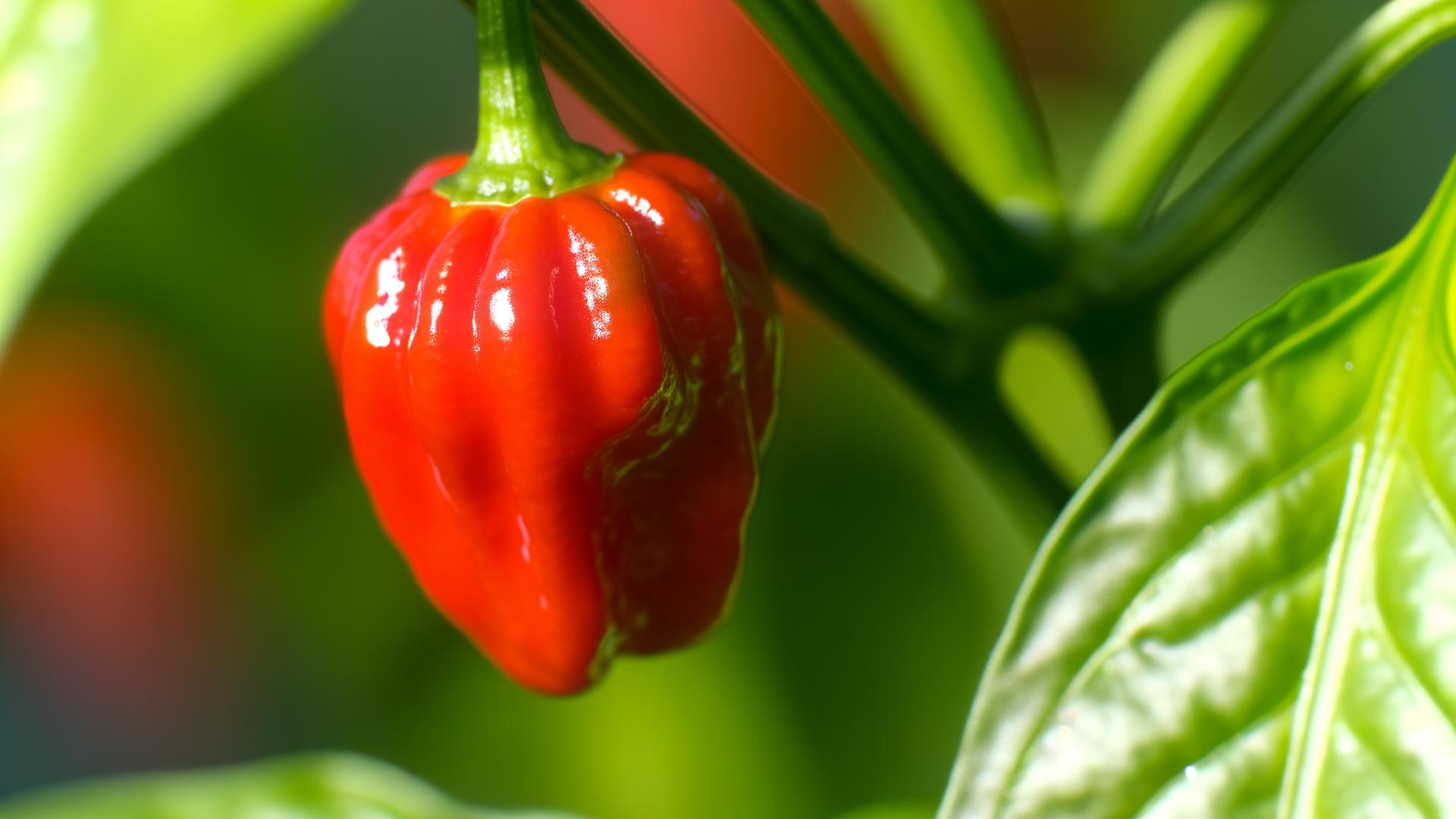
The Habanero Red Pepper (Capsicum chinense) is celebrated not only for its scorching Scoville heat units but also for its aesthetic charm. Vibrant in color, the pods mature from green to a rich, fiery red, hanging like little lanterns on the plant. The peppers are typically small, approximately 1 to 2.5 inches long, with a characteristic lantern shape and smooth, glossy skin.
The flavor profile of the Habanero Red Pepper is as intriguing as its visual appeal. Behind the initial fiery kick lies a delicate fruity nuance, with notes of apricot, apple, and a floral scent, making it a favorite among chefs for sauces, salsas, and spicy condiments.
Essential Growing Requirements
Before embarking on the journey of cultivating Habanero Red Peppers, it is crucial to understand their growing requirements. These tropical plants thrive in warm climates and require specific conditions to flourish.
Sunlight
Habanero Red Peppers crave sunlight much like a sunflower follows the sun. They need full sun exposure for at least 6 to 8 hours a day. The more sunlight they receive, the more productive and flavorful they become.
Soil
The ideal soil for these peppers is well-draining, rich in organic matter with a pH range between 6.0 and 6.8. Sandy loam or loamy soils are perfect, as they provide the drainage necessary to prevent root rot, a common issue in pepper plants.
Temperature
Peppers are heat lovers, and the optimal temperature range for growing Habanero Red Peppers is between 70°F and 85°F during the day, with nighttime temperatures not dipping below 55°F. Frost and cold winds are detrimental, so ensure they're planted in a sheltered location or consider using cloches in cooler climates.
Watering
Consistent moisture is key, but overwatering can lead to disaster. The soil should be kept moist but not waterlogged. Drip irrigation systems can provide the consistent moisture levels these peppers require without risking disease through wet foliage.
The Art of Cultivation
Cultivating Habanero Red Peppers can be a delightful challenge, as these peppers demand attention to detail and patience. However, the rewards of a bountiful, fiery harvest make the effort worthwhile.
Seed Starting
Starting seeds indoors is a common practice, especially in regions where the growing season is short. Begin sowing seeds 8 to 10 weeks before the last expected frost date. Plant the seeds 1/4 inch deep in seed-starting mix, maintaining a temperature of 80°F for optimal germination.
Use heating mats to ensure consistent warmth, and cover the seed trays with a plastic dome to increase humidity. Germination typically occurs within 7 to 14 days. Once seedlings emerge, ensure they receive 12 to 16 hours of light per day, using grow lights to supplement natural light if necessary.
Transplanting
As seedlings mature, harden them off by gradually exposing them to outdoor conditions over a week or two. Transplant them into the garden or larger containers when they have at least two sets of true leaves, spacing them 18 to 24 inches apart in rows that are 30 to 36 inches apart. This spacing allows for adequate airflow and reduces the risk of disease.
Fertilization
Habanero Red Peppers are moderate feeders. Before planting, work in a balanced organic fertilizer or well-rotted compost into the soil. As the plants grow, apply a side-dressing of compost or a low-nitrogen fertilizer to encourage fruit development rather than excessive leaf growth.
Pest and Disease Management
Peppers are susceptible to several pests, including aphids, whiteflies, and spider mites. Regular monitoring and promoting beneficial insects such as ladybugs can keep pest populations in check. In terms of diseases, watch out for blossom end rot and bacterial spot, both of which can be mitigated through proper watering practices and healthy soil.
Harvesting
The anticipation of harvesting peppers is a rewarding phase of cultivation. Allow the Habanero Red Peppers to fully mature on the plant to develop their maximum flavor and heat. They are ready for harvest when they turn bright red and have a firm texture. Use scissors or garden shears to cut the peppers from the plant to reduce damage.
Culinary Uses and Preservation
Once harvested, the Habanero Red Pepper offers a wide range of culinary applications. They can be used fresh to spice up salsas and salads, or they can be cooked to bring depth and heat to sauces, stews, and marinades. For long-term preservation, consider drying or pickling the peppers. Dehydrated peppers can be ground into a potent chili powder, while pickled Habaneros provide a tangy, fiery accompaniment to many dishes.
Drying and Storing
Hang peppers in a dry, well-ventilated area to air dry, or use a food dehydrator for a more controlled process. Once fully dried, store them in airtight containers away from light and moisture.
Freezing
Wash and dry the peppers thoroughly, then either freeze them whole or slice them for easy use later. Placing them in freezer bags with the air removed will help preserve their flavor.
Pickling
For a different flavor experience, immerse Habanero Red Peppers in a brine of vinegar, water, salt, and your choice of herbs and spices. Store pickled peppers in the refrigerator, and enjoy them as a tangy condiment.
Cultivating Beyond the Basics
Gardening is a practice of continual learning. Each season brings new insights and challenges. Observe how your peppers respond to their environment and adjust your practices as needed. Whether tweaking your watering schedule or experimenting with companion planting, the lessons learned will enhance your gardening prowess.
Companion Planting
Companion planting is a beneficial strategy for growing Habanero Red Peppers. Aromatic herbs such as basil and parsley can deter pests, while flowers like marigolds may attract pollinators and beneficial insects, creating a balanced ecosystem.
Troubleshooting Common Issues
Even the most diligent gardener will face challenges. If your peppers show signs of stress, such as yellow leaves or stunted growth, it might indicate a nutrient deficiency or improper watering. Conduct a soil test to identify any nutrient imbalances, and adjust your fertilization regime accordingly.
Embracing the Fiery Journey
Embarking on the journey to grow Habanero Red Peppers is both a science and an art. Each vibrant pepper holds the promise of culinary adventure, from the piquant kick it adds to dishes to the joy of sharing homegrown produce with family and friends. With knowledge, patience, and a bit of spicy inspiration, your garden will become a testament to the fiery wonders of the Habanero Red Pepper.
Frequently Asked Questions
What is the ideal temperature for growing Habanero Red Peppers?
Habanero Red Peppers thrive in temperatures ranging between 70°F and 85°F during the day, with nighttime temperatures not dipping below 55°F.
How much sun do Habanero Red Peppers need?
These peppers require full sun exposure, receiving at least 6 to 8 hours of sunlight daily.
What type of soil is best for Habanero Red Peppers?
Habanero Red Peppers prefer well-draining soil rich in organic matter, with a pH between 6.0 and 6.8.
How do I start Habanero Red Pepper seeds indoors?
Start seeds 8 to 10 weeks before the last frost, planting them 1/4 inch deep in seed-starting mix, and keep them warm at 80°F for successful germination.
When should I transplant Habanero seedlings?
Transplant seedlings outdoors when they have two sets of true leaves and after the danger of frost has passed.
How can I prevent pests on my Habanero Red Pepper plants?
Monitor regularly, encourage beneficial insects like ladybugs, and practice proper watering to prevent pest infestations.
What causes blossom end rot in peppers, and how can it be prevented?
Blossom end rot is caused by calcium deficiency related to inconsistent watering. Maintain consistent moisture in the soil.
How do I know when Habanero peppers are ready to harvest?
The peppers are ready when they are bright red and firm to the touch.
Can I grow Habanero Red Peppers in containers?
Yes, they can be grown in containers as long as the container is large enough, typically at least 5 gallons in size, with adequate drainage.
What are the best methods to preserve Habanero Red Peppers?
Preserve them by drying, freezing, or pickling to enjoy their heat and flavor year-round.
Discussion (0)
No comments yet. Be the first to start the conversation!
Leave a Reply