Habanero Orange Pepper: The Fiery Delight
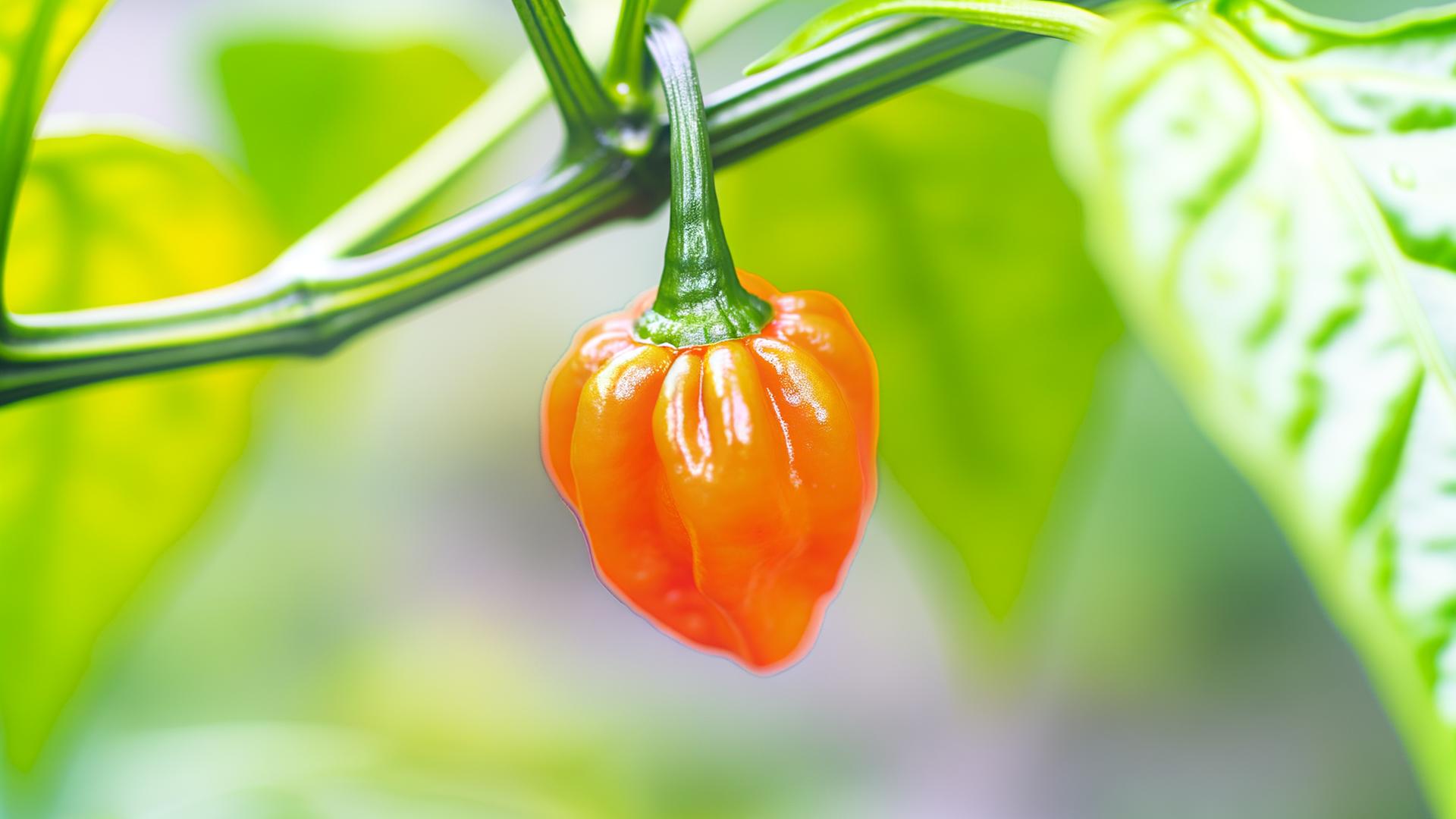
Imagine this: You hold a tiny, lantern-shaped pepper in your hand. Its brilliant orange hue almost dares you to take a bite, whispering promises of exotic flavors and fiery heat. This is the Habanero Orange Pepper, a marvel of nature and a staple in the spicy food arena.
Description of the Habanero Orange Pepper
Habanero peppers are part of the Capsicum chinense family, known for packing a punch in both flavor and Scoville units. The orange variant, one of the most popular types, possesses a distinct citrusy aroma combined with tropical fruit undertones. Its Scoville rating ranges between 100,000 to 350,000, enough to set your taste buds ablaze and make your heart race with its intensity.
These peppers are small, typically ranging from 1 to 3 inches in length. Their skin is smooth yet firm, often with a slight shine when ripe. The appeal of the habanero isn't just its heat but also its distinct taste. It's a complex composition of high heat that gradually dissolves into a sweet and fruity profile, a characteristic that has made it a favorite in hot sauces and salsas worldwide.
Ideal Growing Conditions
Understanding the growth requirements of habanero orange peppers can mean the difference between an abundant harvest and a disappointing few. These peppers thrive in warm climates and are perennial in their native habitat of the Amazon basin but can be grown as annuals in most temperate zones.
Temperature and Climate
Habaneros adore warmth; they demand a consistent temperature ranging between 70°F (21°C) and 95°F (35°C). They are sensitive to frost, and even a slight chill can impede their growth. In regions with cooler climates, it’s best to start seeds indoors about 8-10 weeks before the last expected frost date. Transplant them outdoors only when the soil temperature reaches at least 60°F (16°C).
Soil Composition
The foundation of any successful pepper plant is healthy soil. Habanero peppers prefer well-draining soil with a pH level of 6.0 to 6.8. Sandy loam soil enriched with organic matter works fantastically. Ensure that the soil retains enough moisture yet allows water to flow freely to prevent root rot.
Cultivation Techniques
Growing habanero peppers is an art, intermingling patience, care, and knowledge. From seed selection to harvest, each step holds secrets that can lead to a thriving pepper patch.
Seed Selection and Germination
Selecting quality seeds is the cornerstone of growing robust habanero plants. Look for seeds sourced from a reliable supplier, given the variability in quality available in the market.
For germination, it’s recommended to start indoors. Plant the seeds in small pots or seed trays filled with a quality seed-starting mix. Sow the seeds about 1/4 inch deep, and keep the soil consistently moist. Ideally, maintain a soil temperature of 80°F (27°C) using a heat mat if necessary. Germination can take between 14 to 30 days, so patience is key here.
Transplanting Seedlings
Once the risk of frost has passed and seedlings have developed a sturdy set of true leaves, they’re ready for outdoor life. Harden off the seedlings gradually by exposing them to the sun for an increasing number of hours each day over a week. Transplant them into your garden or containers with at least a 12-inch diameter for each plant.
Space the seedlings about 18 to 24 inches apart to ensure ample airflow and prevent the spread of diseases. Water the plants thoroughly after transplanting to help them establish well in their new environment.
Water and Fertilization
Habanero peppers require a balanced approach to watering. They need consistent moisture but should never sit in soggy conditions. Water deeply but infrequently, allowing the top inch of the soil to dry out between waterings. Mulching can help retain soil moisture and keep the root zone cool.
Fertilization should start when flowers begin to develop. A low-nitrogen fertilizer is ideal, such as a 5-10-10 NPK formula, to encourage fruit development rather than excess foliage. Feed every four to six weeks.
Pest and Disease Management
Vigilance is necessary to ward off common pests such as aphids, spider mites, and whiteflies. Introducing beneficial insects like ladybugs or applying organic insecticidal soap can help control these nuisances.
Diseases such as bacterial leaf spot can be mitigated by ensuring proper air circulation around plants and avoiding overhead watering. Crop rotation and removing infected plants promptly can also prevent disease spread.
Harvesting Habanero Orange Peppers
Ready to reap the fiery rewards of your labor? Harvesting can begin once the peppers have turned a vibrant shade of orange. Use gardening scissors or pruners to avoid damaging the plant when picking peppers.
It’s best to harvest frequently as this encourages further fruit production. Remember, the more you pick, the more the plant will produce until the end of the growing season.
Post-Harvest Handling and Storage
After harvesting, handle the peppers carefully. They can be stored fresh in the fridge for up to two weeks. For long-term storage, consider drying, pickling, or freezing them. Their flavor deepens beautifully when dried, making them excellent for use in smoky salsas and sauces.
Health Benefits and Culinary Uses
Beyond their fiery reputation, habanero peppers pack a punch in health benefits too. They are rich in vitamins C and A, both potent antioxidants that promote skin health and immune function. The capsaicin in peppers, responsible for their heat, can boost metabolism and reduce pain.
Culinarily, the habanero orange pepper shines in numerous dishes. It's a staple ingredient in Caribbean cuisine, adding depth and heat to soups, stews, and jerk seasoning. Its fruity notes make it a favorite in hot sauce recipes, offering a balanced heat and sweetness to tickle your palate.
Can I grow habanero orange peppers in pots?
Absolutely! Growing habanero peppers in pots is a fantastic option, especially if space is limited. Choose a container that is at least 12 inches in diameter and has good drainage. Use well-draining potting soil and place the pot in a sunny location to allow the peppers to thrive.
How long does it take for habanero peppers to mature?
Habanero peppers typically require 75 to 100 days to mature from transplanting. This timeline can vary based on growing conditions such as temperature and sunlight, so it's essential to monitor plant development closely.
How can I reduce the heat of habanero peppers in my dishes?
To temper the heat, you can remove the seeds and membranes before cooking, as this is where most of the capsaicin is concentrated. Additionally, pairing habaneros with dairy products like cheese or yogurt in dishes can help tone down their fiery impact.
Are there different colors of habanero peppers?
Yes, habanero peppers also come in a variety of colors including red, yellow, white, brown (chocolate), and even purple. Each color offers a slightly different flavor profile, though all share the characteristic heat.
Is it necessary to use a greenhouse to grow habanero peppers?
While not necessary, using a greenhouse can benefit habanero pepper growth in cooler climates by maintaining a consistently warm temperature and protecting plants from unexpected weather conditions.
How do I store excess habanero peppers after harvest?
You can store freshly harvested habanero peppers in the refrigerator for about two weeks. For longer storage, consider drying, pickling, or freezing. Dried peppers can be ground into powder for use in various recipes.
What should I do if my habanero plants are not flowering?
If your plants aren’t flowering, ensure they receive enough sunlight – at least 6-8 hours per day, check they are not over-fertilized with nitrogen, and verify that they are not under stress from pests or improper watering.
Can I cross-pollinate habanero orange peppers with other pepper varieties?
Cross-pollination is possible but won’t affect the fruit of the current season. It's more relevant for seed saving, as it can lead to hybrid plants in the next growing cycle with characteristics of both parent plants.
Do I need to prune habanero pepper plants?
Pruning is not essential but can be beneficial. Removing the lower leaves and any dead or diseased foliage improves airflow and reduces disease risk. It can also help redirect energy from nonessential branches to fruit production.
Are habanero peppers perennial?
In their native climates, habanero peppers are perennial. However, in regions with colder winters, they are typically grown as annuals unless overwintered indoors or in a greenhouse setting.
Discussion (0)
No comments yet. Be the first to start the conversation!
Leave a Reply