The Enigmatic Allure of Habanero Brown
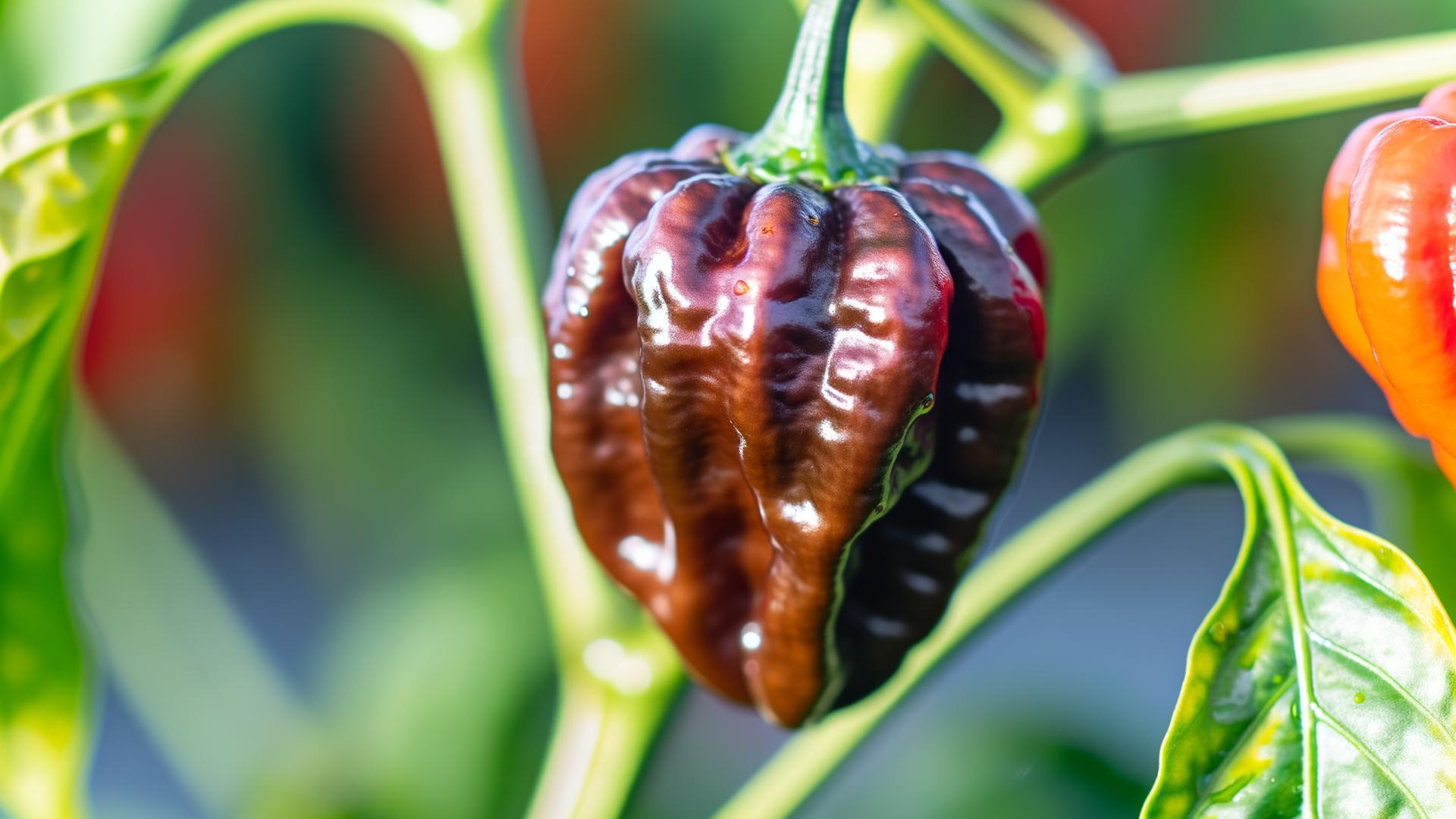
In the vibrant tapestry of chili peppers, the Habanero Brown stands as a mesmerizing gem. Its deep, earthy hue and robust flavor profile stir intrigue among gardeners and culinary aficionados alike. But cultivating this fiery beauty requires more than just a green thumb; it demands insight into its distinctive needs and characteristics. Join me as we delve into the secrets of nurturing your own Habanero Brown, from germination to harvest.
Origin and Distinctive Traits
The Habanero Brown, also known as Chocolate Habanero, hails from the Capsicum chinense species, renowned for its intensely aromatic and fiery fruits. With origins tracing back to the Amazon basin, this pepper has journeyed through generations, spreading its heat and delight across the globe. Unlike its orange or red counterparts, the Brown Habanero offers a subtle sweetness underlined by its scorching heat, making it an exceptional ingredient in both traditional and modern culinary practices.
Climate and Soil Requirements
Much like a tropical bird, the Habanero Brown thrives in warmth. Native to hot and humid climates, it flourishes in regions where the temperature dances between 70°F (21°C) and 95°F (35°C). To recreate this ideal environment, indoor gardeners or those in cooler zones should consider using greenhouses or indoor grow lights.
When it comes to soil, the Habanero Brown prefers well-draining sandy loam, rich with organic matter. Aim for a slightly acidic to neutral pH level, sitting comfortably between 6.0 and 7.0. A balanced soil ensures your plants will draw up the nutrients they need, rewarding you with lush foliage and bountiful peppers.
Cultivation Steps
Seeds and Germination
The journey of growing Habanero Brown begins with the selection of high-quality seeds. Given the extended germination period typical of Habaneros—ranging from two to four weeks—a patient gardener is a successful one. Begin indoors about 8 to 10 weeks before the last expected frost date.
-
Soak Seeds: Start by soaking the seeds in warm water for 24 hours. This softens the seed coat, helping germination.
-
Planting Medium: Use a sterile seed-starting mix to minimize the risk of disease. Fill seed trays and moisten the medium thoroughly.
-
Planting Depth: Sow seeds about 1/4 inch deep, covering lightly with the planting medium.
-
Warmth and Light: Position your trays in a warm place. A heat mat is beneficial, as a consistent temperature between 80°F (27°C) and 90°F (32°C) is ideal. Supplement with grow lights to ensure seedlings receive at least 16 hours of light per day.
Transplanting and Outdoor Growth
Once the seedlings have sprouted, and the fear of frost has passed, it's time to gradually acclimate them to the outdoors in a process known as hardening off:
-
Hardening Off: Over a week or two, slowly expose the seedlings to outdoor conditions, increasing their time outside daily. Choose a sheltered location away from direct sunlight initially.
-
Transplanting: Select a day when the soil has warmed, and there is no chance of frost. Plant the seedlings 18 to 24 inches apart to provide ample space for growth.
-
Mulching and Watering: Use organic mulch to conserve moisture and suppress weeds. Water at the base of the plant to keep leaves dry and reduce fungal diseases, maintaining consistent soil moisture.
Pest Management and Care
While relatively resilient, Habanero Browns are not impervious to pests and diseases. Here are some potential adversaries and solutions:
Common Pests
-
Aphids: Tiny, soft-bodied insects found on new growth. Combat them with natural insecticidal soap or a strong stream of water to wash them away.
-
Whiteflies: Annoying sap-suckers often controlled by introducing beneficial predators like ladybugs or applying neem oil.
-
Spider Mites: Look for fine webbing on the undersides of leaves. Increase humidity and spray with a miticide if needed.
Disease Prevention
To prevent common diseases like powdery mildew and bacterial spot, ensure proper spacing for ample air circulation and avoid overhead watering. Rotate crops yearly if possible, and clear away plant debris after harvest.
Harvesting and Utilizing
The most rewarding phase of growing Habanero Brown is the harvest. Typically, peppers are ready to pluck around 95 to 100 days after transplanting when they sport a rich, chocolate-brown hue. Use garden scissors to clip the peppers, leaving a small amount of stem to prolong freshness.
In the kitchen, use these fiery gems with caution. Their complex flavor profile enriches salsas, sauces, and marinades, adding both flavor and a substantial kick. Proper storage includes drying or freezing, depending on your culinary plans.
Exploring the Depths of Flavor: Culinary Uses
Habanero Browns are a culinary treasure, adding depth to a variety of dishes. Their smoky, fruity essence marries well with Caribbean and Latin American cuisines, transforming simple dishes into gourmet experiences.
Spicy Hot Sauce
Create your own signature hot sauce by blending Habanero Browns with vinegar, garlic, onion, and a hint of sugar. Balance heat with sweetness to craft a condiment worthy of sharing.
Marinades and Salsas
Enhance meats and vegetables with a marinade featuring pureed peppers, lime juice, cilantro, and oil. Or mix finely chopped Habanero with tomatoes and mango for a refreshing yet sizzling salsa.
Infusions and Preserves
Capture the essence of the Habanero Brown by infusing spirits or oils, or incorporate them into jams for a sweet-heat sensation ideal for glazing meats or drizzling over cheese.
Frequently Asked Questions
What is the heat level of a Habanero Brown?
The Habanero Brown is renowned for its intense heat, ranging from 100,000 to 350,000 Scoville Heat Units (SHU).
How long does it take for Habanero Brown seeds to germinate?
Habanero Brown seeds can take between 14 to 28 days to germinate, depending on conditions.
What type of soil is best for growing Habanero Browns?
Habanero Browns thrive in well-draining sandy loam with a slightly acidic to neutral pH between 6.0 and 7.0.
Can I grow Habanero Browns indoors?
Yes, Habanero Browns can be grown indoors with sufficient warmth and light, ideally using grow lights and maintaining temperatures between 80°F and 90°F.
How do I prevent pests on Habanero plants?
Prevent pests by practicing good garden hygiene, using insecticidal soap, and introducing beneficial insects like ladybugs.
When is the best time to harvest Habanero Browns?
Harvest when the peppers mature to a rich brown color, usually 95 to 100 days after transplanting.
Do Habanero Browns need a lot of water?
They require consistent moisture but should not be waterlogged. Water at the base and adjust frequency based on weather and soil conditions.
How should I store harvested Habanero Browns?
Store them in a cool, dry place or freeze them for extended use. They can also be dried and ground into powder.
Are there specific companion plants for Habaneros?
Habaneros benefit from the presence of companions like basil, marigold, and garlic, which deter pests.
What is the best use for Habanero Browns in cooking?
Their complex flavor makes them ideal for hot sauces, salsas, and as a spicy addition to marinades and tropical dishes.
Discussion (0)
No comments yet. Be the first to start the conversation!
Leave a Reply