Introduction to Ghost Pepper Bhut Jolokia
Once upon a time in the verdant regions of Northeast India, there thrived a pepper so potent that it was crowned the hottest in the world by the Guinness World Records in 2007. This fiery gem is the Ghost Pepper, also known as Bhut Jolokia. With a Scoville Heat Unit (SHU) rating of over 1 million, the Ghost Pepper is not for the faint-hearted. Its intense heat has long been used to spice up dishes, deter wild elephants, and even employed in non-lethal grenades by the Indian military. Journey with us through the fiery tales and earthy toil required to understand and cultivate Bhut Jolokia.
Characteristics of the Ghost Pepper Bhut Jolokia
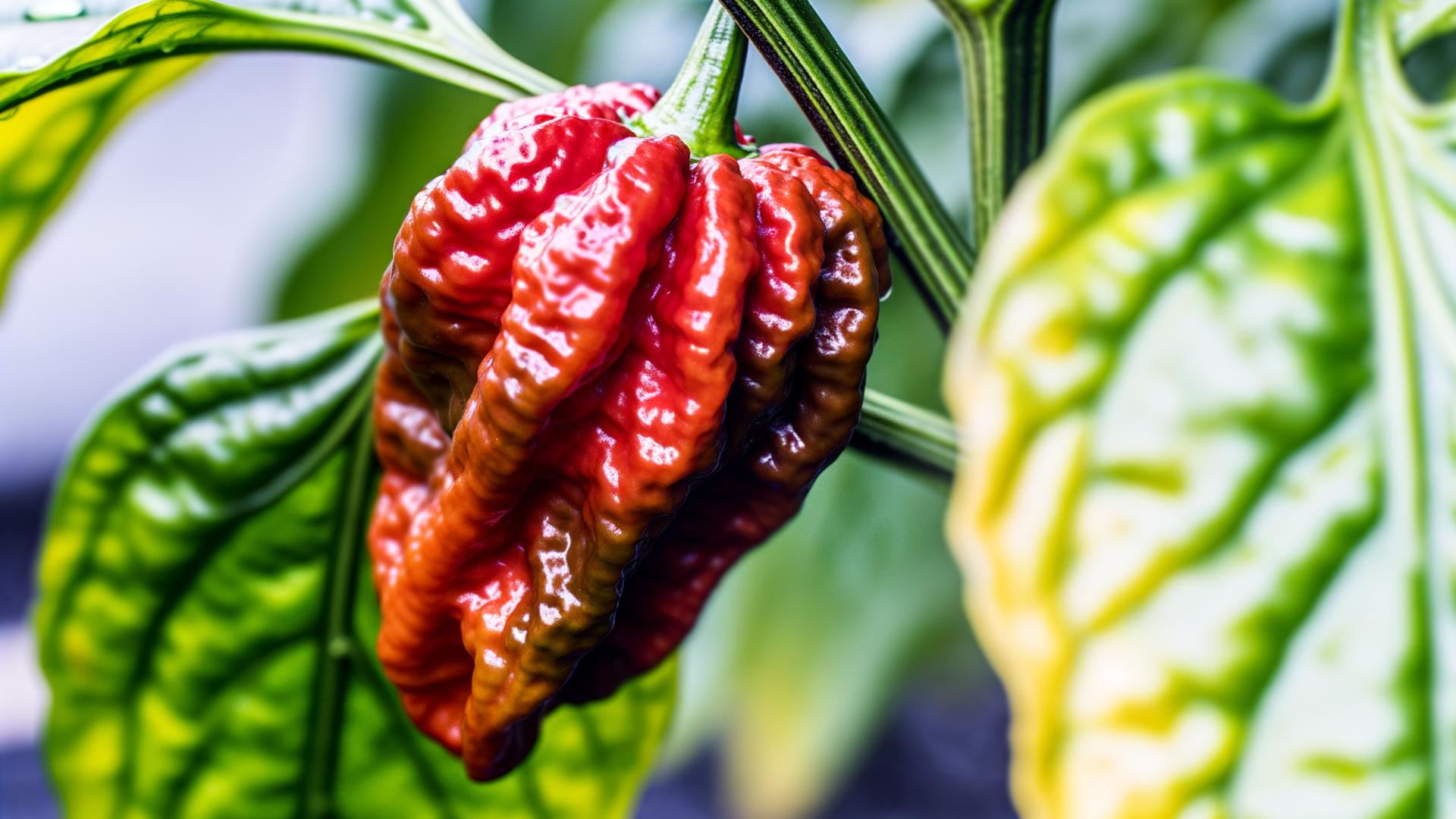
Ghost Pepper Bhut Jolokia is as fascinating as it is fiery. Its appearance is deceptively tame, featuring wrinkled, elongated pods that resemble a writhing ghost, hence the nickname. The peppers vary in color, ranging from green to vibrant red when fully mature, with some variations even presenting in orange or chocolate hues. The plant itself can reach heights of up to 4 feet, producing an abundance of pods that hang like spicy jewels amidst lush green foliage.
Flavor Profile and Uses
Beyond its blistering heat lies a complexity of flavors that many connoisseurs appreciate. Ghost Peppers offer a fruity, sweet-smoky flavor that enhances salsas, chutneys, and marinades, granting dishes an exotic touch. Its carefully measured inclusion can elevate culinary creations, but caution is always advisable due to its extreme pungency.
Health Benefits
Ghost Peppers aren't just a daredevil's delight; they pack several health benefits. Rich in capsaicin, they have been linked to metabolism boosting, pain relief, and potentially lowering the risk of heart disease. However, their extreme heat can also pose challenges, particularly for those with sensitive stomachs.
Growing Conditions and Requirements
Cultivating Ghost Peppers requires a blend of patience, the right environment, and vigilant care. These peppers flourish in warm, humid conditions reminiscent of their native Indian territories. Let us delve into the essential requirements for growing these fiery pods successfully.
Climate and Temperature
Ghost Peppers thrive in regions where temperatures range between 70°F and 95°F. They are not frost-tolerant, and exposure to temperatures below 60°F can stunt growth and reduce yield. Ideal growing conditions include warm, sunny locations with plenty of protection from wind.
Soil Requirements
Rich, well-draining soil is crucial for Bhut Jolokia. A slightly acidic pH range of 6.0 to 6.8 is optimal. Amending soil with organic matter such as compost or aged manure can improve soil structure, adding essential nutrients. Raised beds are often recommended as they prevent waterlogging, safeguarding against root rot.
Watering and Feeding
Ghost Peppers require regular watering, ensuring the soil remains moist but never waterlogged. It’s vital to maintain consistency, as fluctuations can cause fruit to drop prematurely. A balanced fertilizer, applied every 3-4 weeks, will sustain vigorous growth and prolific fruiting. Peppers benefit particularly from phosphorous-rich feeds that support flowering and fruit development.
Cultivation Techniques
Cultivating Ghost Peppers demands more than just meeting their basic needs. From sowing seeds to harvest, each step must be carefully managed to coax the most from these heat-packed peppers.
Seed Sowing and Germination
Begin your Ghost Pepper journey indoors about 8-10 weeks before the last expected frost date. Seeds should be planted approximately 1/4 inch deep in a quality seed-starting mix. Maintaining a consistent soil temperature of around 75°F to 90°F is critical for germination, which can take between 14 to 28 days. Heat mats and grow lights can expedite this process in cooler climates.
Transplanting
Once seedlings have developed at least four true leaves, and the threat of frost has passed, they can be transplanted outdoors. Space the young plants about 18-24 inches apart, providing ample room for growth and air circulation, which helps prevent fungal issues. Gradually acclimate them to outdoor conditions by "hardening off" for about a week, gradually increasing their time outside each day.
Pruning and Maintenance
Ghost Peppers benefit from occasional pruning to promote airflow and sunlight penetration, enhancing overall plant health and fruit production. Regularly remove any dead or diseased foliage, and pinch off the growing tips to encourage bushier growth and more abundant fruiting.
Pest and Disease Management
Though relatively hardy, Ghost Peppers are not immune to pests and diseases. Common challenges include aphids, spider mites, and pepper weevils. Employing organic insecticidal soaps or neem oil can successfully manage these pests. Diseases such as root rot and leaf spot can be mitigated by ensuring proper drainage and avoiding overhead watering.
Harvesting Ghost Peppers
Patience is a virtue when cultivating Bhut Jolokia. Peppers typically take between 120 to 150 days from planting to harvest. Fruits are ready to pick when they've reached their final color—usually a deep, glossy red. Use scissors or pruning shears to cut peppers from the plant, taking care not to damage the branches.
Post-Harvest Processing
Drying and storing Ghost Peppers is an age-old technique for preserving their potency. They can be sun-dried, smoked, or dehydrated, then ground into flakes or powder for long-lasting heat in your culinary endeavors. Properly stored in airtight containers, dried Ghost Peppers maintain their intensity for years.
The Journey of Ghost Pepper Beyond Cultivation
Ghost Peppers have transcended their status as mere culinary curiosities. Their staggering heat and unique properties have woven them into the fabric of various cultural, medicinal, and even industrial uses.
Cultural Significance
In India, Ghost Peppers are a staple in traditional Assam cuisine, often used in chutneys and curries. The pepper is prized not only for its heat but also for its purported ability to ward off evil spirits.
Medicinal Applications
The capsaicin in Bhut Jolokia offers numerous medicinal benefits. It's used in topical creams to alleviate pain from arthritis, sore muscles, and neuropathic conditions. Capsaicin is also utilized in appetite suppressants, given its ability to enhance metabolism.
Industrial Uses
Intriguingly, Bhut Jolokia peppers have been employed in defense. The Indian military has purportedly harnessed its fiery power in non-lethal grenades for crowd control, taking advantage of its ability to cause intense irritation and discomfort.
Conclusion
Embarking on the odyssey of cultivating Ghost Pepper Bhut Jolokia is both challenging and rewarding. These notorious peppers demand meticulous care and a keen understanding of their needs, but the fiery bounty they yield is a prize for any gardener or chili aficionado. From their mysterious origins and cultural tales to their broad scope of uses, Ghost Peppers endear themselves to those who revel in their heat and complexity. As with all passionate pursuits, the cultivation of Bhut Jolokia requires patience, respect, and a touch of daring spirit.
FAQ
Is it safe to handle Ghost Peppers with bare hands?
Handling Ghost Peppers with bare hands is not recommended due to their intense heat. The capsaicin can cause skin irritation or a burning sensation. It's advisable to wear gloves when handling, slicing, or seeding the peppers.
What type of fertilizer is best for Ghost Pepper plants?
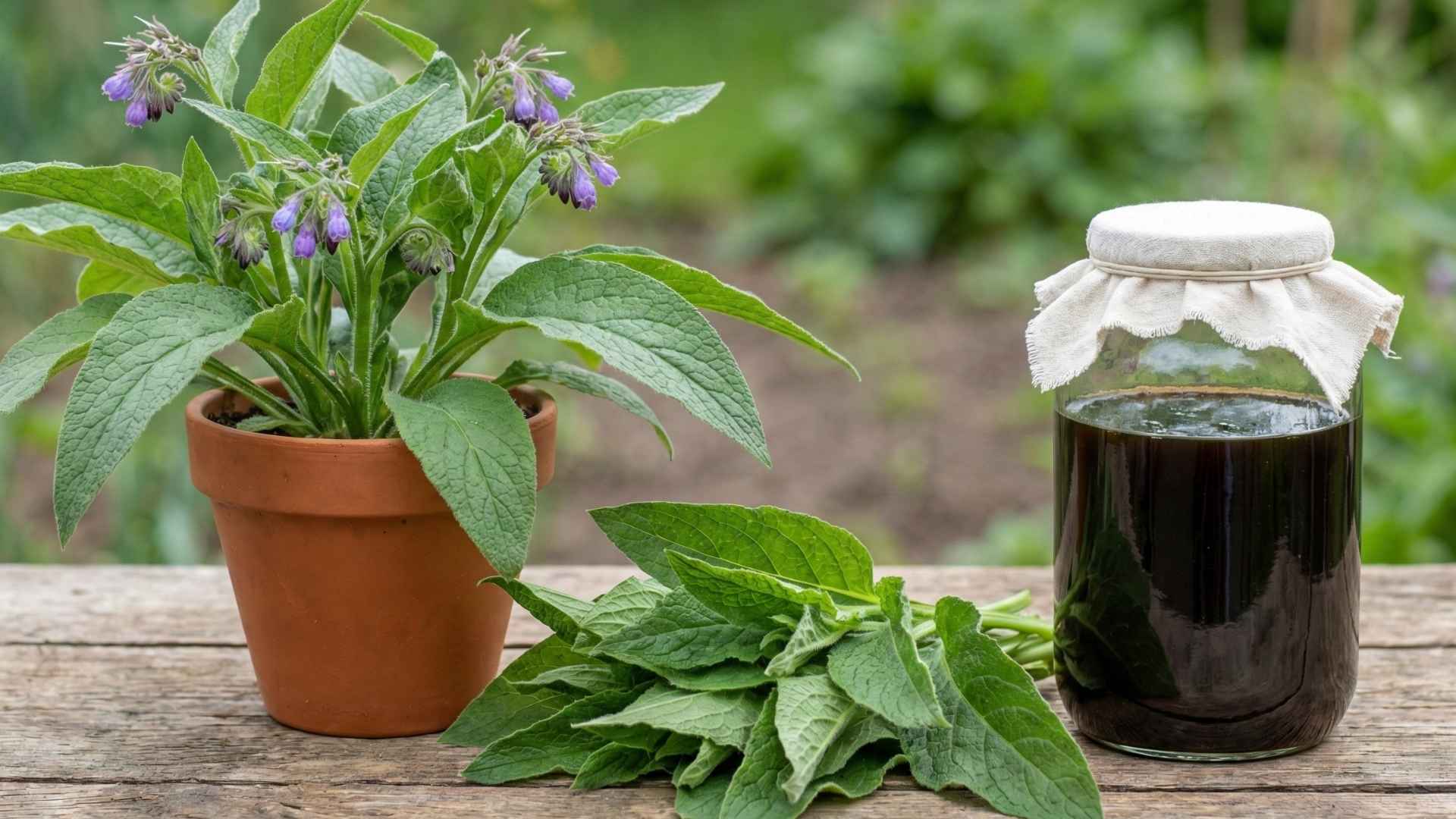
A balanced, slow-release fertilizer with a ratio of 5-10-10 or similar, favoring phosphorus and potassium over nitrogen, promotes robust growth and fruiting for Ghost Peppers. Organic options like compost tea can also be beneficial.
How often should Ghost Pepper plants be watered?
Ghost Pepper plants prefer consistently moist soil but not waterlogged. Water them deeply once or twice a week, adjusting for rainfall and climate conditions to keep the soil evenly moist.
Can Ghost Peppers be grown indoors?
Yes, Ghost Peppers can be grown indoors, provided they receive enough sunlight or supplemented light. Position them near a south-facing window or use grow lights to ensure they receive at least 6-8 hours of light daily.
How do you store Ghost Peppers long-term?
For long-term storage, Ghost Peppers can be dried and stored in airtight containers. They can also be frozen whole or sliced, or fermented into hot sauces for preservation.
How do you know when Ghost Peppers are ripe?
Ripe Ghost Peppers present a deep red color, though some varieties may turn orange or chocolate. The skin should be firm and slightly wrinkled, indicative of optimum ripeness and flavor.
What are the common pests affecting Ghost Pepper plants?
Common pests include aphids, spider mites, and pepper weevils. Regular monitoring and the use of insecticidal soaps or neem oil can keep these pests at bay effectively.
What are the health benefits of eating Ghost Peppers?
Ghost Peppers offer benefits including metabolism boosting, pain relief, and improved cardiovascular health. However, due to their heat, they should be consumed in moderation.
How long does it take for Ghost Peppers to fruit?
Ghost Peppers typically take between 120 to 150 days from planting to produce mature fruit, depending on climate conditions and care provided.
What are some popular recipes using Ghost Peppers?
Ghost Peppers can enhance salsas, hot sauces, and marinades. Popular recipes include Ghost Pepper salsa, Bhut Jolokia chili, and spicy ghost pepper jelly.
Discussion (0)
No comments yet. Be the first to start the conversation!
Leave a Reply