A Spicy Symphony: The Carolina Reaper Yellow
The world of chili peppers is as diverse and colorful as a painter’s palette, with the Carolina Reaper residing famously at the fiery end of the spectrum. The eye-catching, sun-kissed variant of this notorious pepper, known as the Carolina Reaper Yellow, is not only a visual treat but also packs a pungent punch that seduces both the adventurous eater and the daring gardener alike. In this comprehensive guide, we'll delve into the vibrant tapestry of the Carolina Reaper Yellow's delightful characteristics, its cultivation necessities, and the rewarding journey of growing your own crop of this audacious pepper.
Understanding the Carolina Reaper Yellow
The Fiery Morphology
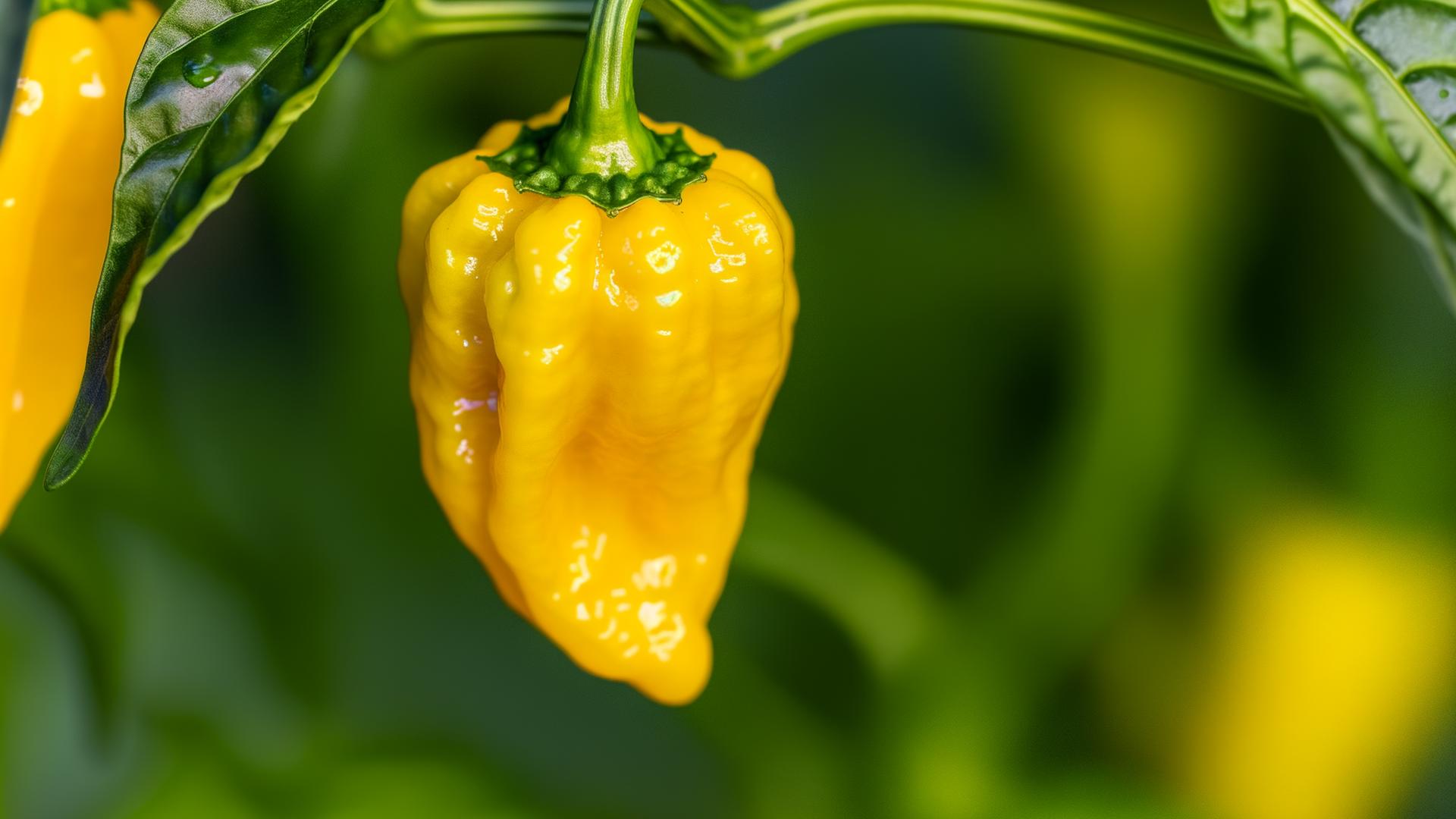
The Carolina Reaper Yellow is an enigma, shaped in nature's daring imagination. Its pod, resembling a tiny golden lantern, flaunts a characteristic stinger-like tail, hinting at the sizzling heat it shelters within. This vibrant pepper metamorphoses from green to a mesmerizing yellow hue as it ripens, carrying the promise of intense heat tempered by an unexpected sweetness.
The pepper registers an impressive 1,400,000 to 2,200,000 on the Scoville Heat Unit scale, sitting comfortably among the hottest peppers known to humanity. Yet, interwoven with its heat is a fruity undertone of lemony freshness and subtle floral hints that elevate culinary creations to adventurous new heights.
A Tale of Origin
The origins of the Carolina Reaper Yellow lie closely entwined with its red counterpart, both brainchildren of the horticulturist Ed Currie of the PuckerButt Pepper Company. The Yellow variant was cultivated by selectively breeding plants that presented this rare coloration, resulting in a pepper that enchants with its color as much as its scorching value on the Scoville scale.
Cultivating Carolina Reaper Yellow: Embrace the Challenge
Raising your own Carolina Reaper Yellow requires both patience and determination but rewards the persistent gardener with a harvest that is as satisfying and fiery as it is alluring. To nurture these pepper plants, one must first consider their specific environmental and soil requirements, along with an awareness of the challenges in growing such a hot-headed plant.
Preparing to Plant: The Seedling Stage
Selecting Seeds
The journey begins with selecting high-quality seeds from a reputable supplier, ensuring that they are specifically labeled as the Carolina Reaper Yellow. Due to their notoriety and demand, be wary of counterfeit or mislabeled seeds.
Sowing Seeds
Springtime beckons as the ideal season for sowing, aligning with steadily increasing daylight and warmer temperatures. It's paramount to start seeds indoors around eight to ten weeks before the last anticipated frost.
- Soil: Use a mixture of compost and a well-draining potting mix, maintaining slightly acidic to neutral pH levels. The seeds benefit from soil rich in nutrients but with excellent drainage capacity.
- Temperature: To entice germination, maintain a consistent temperature between 80°F (27°C) and 90°F (32°C). Seedling mats or heating pads underplant trays can assist in achieving this warmth.
- Moisture: The soil must be kept consistently moist but never waterlogged. Covering trays with clear plastic or a humidity dome can help retain moisture and warmth.
Transitioning Outdoors: The Patient Wait
The movement of seedlings from indoor germination to the outdoor garden should occur when ambient temperatures steadily hover above 65°F (18°C), with no threats of frost.
- Hardening Off: Gradually acclimate the young plants to outdoor conditions through a process known as "hardening off". Over the course of a week, increase their exposure to direct sunlight and outdoor temperatures.
- Site Selection: Choose a garden bed with full sun exposure, as the Carolina Reaper Yellow thrives under prolonged sunshine. Ensure the area is protected from strong winds that might damage the tender plants.
Cultivation: Fostering Growth
With seedlings comfortably situated in their outdoor quarters, your role transitions into nurturing their continued growth and fruition.
Soil and Nutrients
- Nutrient Needs: These peppers have a voracious appetite for nitrogen during vegetative growth, transitioning to an increased need for phosphorus and potassium as they begin to bloom and fruit.
- Amendments: Regularly enrich soil with compost and consider a balanced, slow-release fertilizer that caters to their growing cycles.
Watering Practices
- Consistency: The key to successful Carolina Reaper Yellow cultivation is consistent watering. Soil should be kept evenly moist, yet well-drained. Overhead watering is discouraged, as it can lead to fungal issues—employ drip irrigation or water directly at soil level.
Pruning and Staking
- Support: Given their potential size and the weight of the fruit, staking or caging may be necessary to prevent plants from collapsing.
- Pruning: Regularly prune by removing lower leaves and non-productive branches. This helps improve air circulation and focus energy on fruiting.
Troubleshooting: Facing the Challenges
Despite best efforts, gardeners may encounter obstacles ranging from pests to environmental stress.
- Pests: Watch for aphids, spider mites, and hornworms. Implementing integrated pest management, including the introduction of beneficial insects like ladybugs, can help.
- Disease: Peppers are susceptible to fungal infections, so ensure proper spacing between plants to promote air circulation.
- Weather: Extremes in moisture or temperature can disrupt blooming. Mulching can regulate soil temperature and moisture, providing a buffer against temperature fluctuations.
Harvesting: The Labor of Fiery Love
After spending months tending to the Carolina Reaper Yellow plants, the moment of harvest is both thrilling and rewarding. It’s crucial to pick the peppers at the right time to ensure peak flavor and heat.
- Indicators of Ripeness: Fully ripened Carolina Reaper Yellow peppers display a vibrant, rich yellow hue. The skin should be firm, with a slightly glossy appearance.
- Harvesting Tips: Use scissors or pruners to cut the pepper from the plant, leaving a small portion of the stem attached to prolong freshness.
Post-Harvest Handling
Once harvested, the peppers should be stored in a cool, dry area. For long-term preservation, freezing, drying, or pickling are excellent options, ensuring an abundant supply of heat well beyond the growing season.
Culinary Adventures with Carolina Reaper Yellow
Beyond the garden, the Carolina Reaper Yellow invites culinary creativity. Its fearsome heat pairs surprisingly well with sweet fruits and hearty dishes that can stand up to its intensity.
Recipe Ideas
- Salsas and Sauces: Infuse salsas with the pepper’s fruity notes, balancing its heat with ingredients like mango, pineapple, or peaches.
- Pickles and Ferments: Capture its essence in fermented hot sauces or pepper pickles, mingled with garlic and vinegar for added zest.
- Daring Desserts: Incorporate chopped or puréed Reaper into chocolate-based desserts, where its heat complements rich cocoa nuances.
Conclusion
The Carolina Reaper Yellow is more than just a spice—it is an experience. From the patient anticipation of watching seeds grow into vibrant plants to the combustible tenderness of its heat in your kitchen, cultivating this pepper is an adventurous journey well worth the efforts of any seasoned gardener or thrill-seeking plant enthusiast.
Frequently Asked Questions
1. What is the heat level of a Carolina Reaper Yellow?
The Carolina Reaper Yellow typically ranges between 1,400,000 to 2,200,000 Scoville Heat Units.
2. How long does it take for Carolina Reaper Yellow seeds to germinate?
Germination can take between 7 to 21 days, depending on conditions like temperature and moisture.
3. What is the best time to plant Carolina Reaper Yellow seeds?
It's best to start seeds indoors 8-10 weeks before the last expected frost for optimal growth conditions.
4. How should I fertilize my Carolina Reaper Yellow plants?
Use a balanced, slow-release fertilizer suitable for peppers, increasing phosphorus and potassium as plants begin flowering.
5. Can I grow Carolina Reaper Yellow peppers indoors?
Yes, with enough sunlight or under grow lights, these peppers can be successfully grown indoors.
6. How do you know when to harvest Carolina Reaper Yellow peppers?
Harvest when peppers are fully yellow and firm, typically when they've reached full maturity.
7. Are there any common pests that affect Carolina Reaper Yellow plants?
Aphids, spider mites, and caterpillars are common pests to monitor for during the growing season.
8. Should I prune my Carolina Reaper Yellow plants?
Pruning is recommended to remove non-productive foliage and enhance air circulation around the plant.
9. What is a good companion plant for Carolina Reaper Yellow?
Basil, tomatoes, and certain flowers like marigolds can be good companions due to their pest-repelling properties.
10. How can I reduce the heat of Carolina Reaper Yellow in recipes?
Removing seeds and membranes, soaking in lemon juice or vinegar, and balancing with sweet ingredients can reduce the heat.
Discussion (0)
No comments yet. Be the first to start the conversation!
Leave a Reply