Introduction to the Carolina Reaper Brown
Among the myriad of pepper varieties cherished by gardeners worldwide, the Carolina Reaper stands out. Known for its scorching heat and vibrant color, this pepper holds a unique appeal for enthusiasts looking to spice up their gardening endeavors. But today, our focus shifts to a lesser-discussed variant: the Carolina Reaper Brown. This elusive and fascinating pepper is not just a mere subject of curiosity but rather a valuable addition to any garden that can handle its fiery temperament.
The Carolina Reaper Brown is a result of selective breeding of the famous red Carolina Reaper. It retains much of the original Reaper's characteristics in terms of heat while offering a distinct earthy note to its flavor profile. The pepper's unique brown hue adds an exotic flair to gardens and culinary creations alike.
Understanding the Unique Characteristics
The Carolina Reaper Brown holds more than just aesthetic appeal. With the Guinness World Record officially recognizing the original Carolina Reaper as the hottest pepper, reaching an average of 1,641,183 Scoville Heat Units (SHU) and peak measurements of over 2.2 million SHU, the brown variant is equally a contender in the realm of extreme heat. However, the brown variant carries a more nuanced flavor, reminiscent of chocolatey and smoky undertones which can provide depth to dishes beyond just sheer spice.
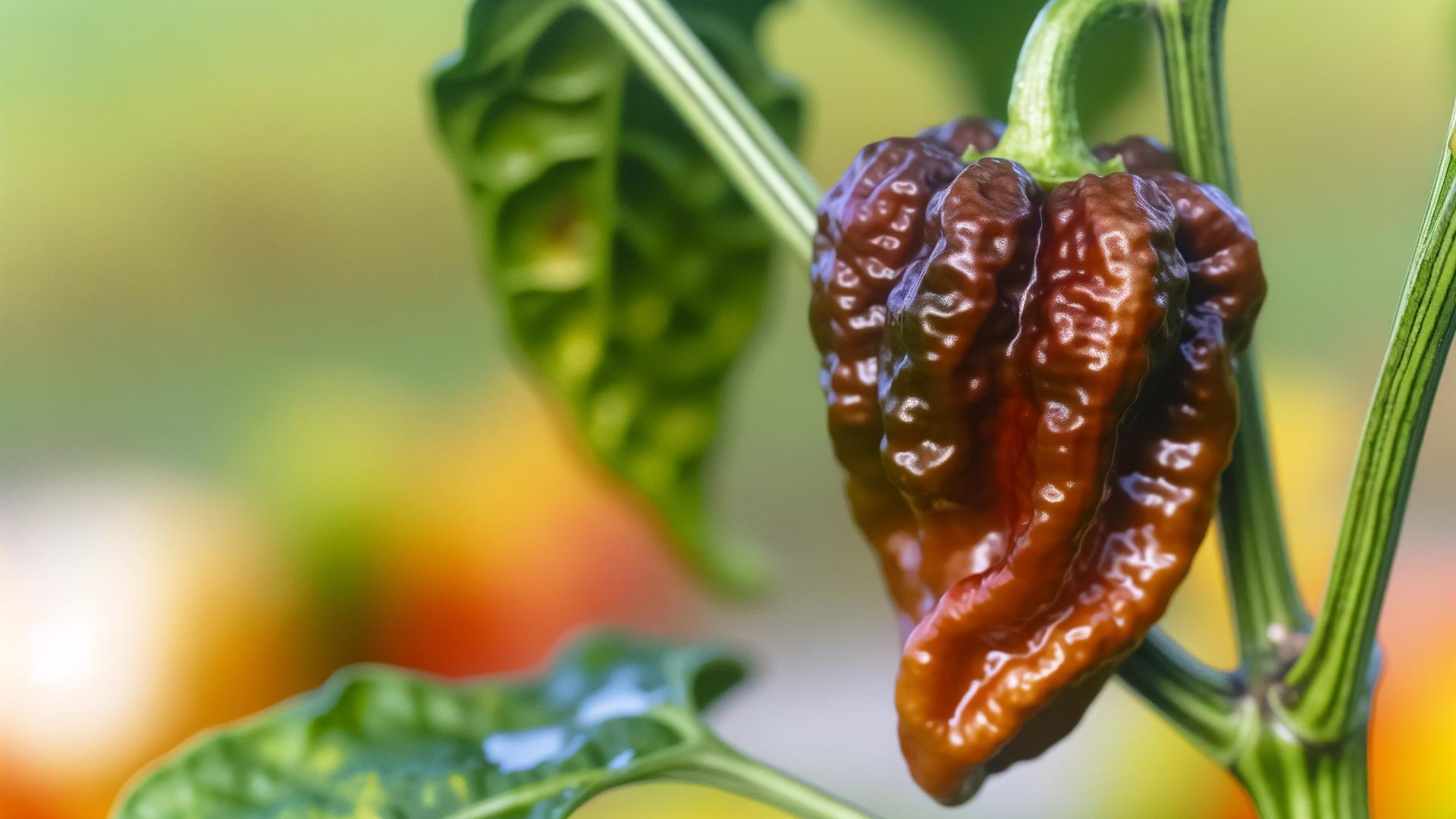
The plant itself is a charming addition to a gardener's collection. Growing up to four feet tall, it adorns lanceolate leaves and robust stalks. The peppers emerge in hues of green before maturing to their deep brown, often hinting at their readiness by appearing slightly wrinkled with a distinctive pitted surface, characteristic of their devilish ancestry.
Requirements for Growing Carolina Reaper Brown
Climate Considerations
Successful cultivation of Carolina Reaper Brown peppers begins with understanding their climatic needs. These peppers thrive in warm, sunny climates. They prefer temperatures ranging from 70°F (21°C) to 95°F (35°C) during the day, with nighttime temperatures not dropping below 55°F (13°C). In regions that experience cooler nights, growing these peppers in greenhouses or using protective row covers can extend the growing season and yield healthier plants.
Soil Preferences
Carolina Reaper Browns are picky about their soil. They thrive in well-draining, loamy soil rich in organic matter. A pH range of 6.0 to 6.8 is optimal. It's beneficial to enrich the soil with compost or well-rotted manure to enhance its nutrient profile. Ensuring good drainage is vital to prevent root rot, a common adversary for pepper plants.
Watering
While these pepper plants are moderately drought-tolerant, consistent watering is key to optimal growth. The soil should remain consistently moist but not waterlogged. Over-watering can lead to fungal diseases, whereas under-watering during flowering and fruiting periods can cause blossom drop or poor fruit development.
Sunlight
Much like their scorching personality, these peppers love sunlight. A minimum of 6 to 8 hours of direct sunlight per day is necessary for robust pepper production. If growing indoors, consider the use of high-quality grow lights to supplement natural sunlight, ensuring the plants receive their preferred spectrum and intensity.
Cultivation Techniques
Starting from Seeds
To begin your journey with the Carolina Reaper Brown, starting from seeds is often the most rewarding method. It allows gardeners to experience every stage of the plant's development. Begin by planting seeds indoors about 8-12 weeks before the last expected frost date in your area.
-
Seed Preparation: Some gardeners choose to soak seeds in warm water for a few hours before sowing to facilitate faster germination.
-
Sowing: Plant seeds in a seed-starting mix, covering them lightly with the soil. Maintain a soil temperature around 80°F (27°C) using a seed heat mat if necessary to promote germination.
-
Watering and Light: Keep the soil moist and provide 12-16 hours of light using grow lights to mimic natural sunlight.
-
Transplanting: Once the seedlings have developed two to three true leaves and the risk of frost has passed, transplant them to larger containers or directly into the garden.
Plant Care and Maintenance
-
Fertilization: Use a balanced, slow-release fertilizer once the plants are established. Apply a higher phosphorous fertilizer just before flowering to enhance fruit development.
-
Pruning: Light pruning can improve air circulation and encourage bushier growth. Remove any damaged or crossing branches.
-
Pest and Disease Management: Common pests include aphids, spider mites, and whiteflies. Regularly inspect leaves for signs of infestation, and use neem oil or insecticidal soap as a preventive measure. Maintain garden hygiene and avoid overhead watering to prevent fungal diseases.
-
Support: As plants mature and bear heavy fruit, staking can provide additional support and reduce the risk of branches breaking.
Harvesting
Carolina Reaper Brown peppers are typically ready for harvest around 90-100 days post-transplant. Harvest time is indicated by the peppers' mature color and slightly wrinkled appearance. Always use gloves when handling these peppers to avoid skin irritation from their potent capsaicin content.
Culinary Uses
Despite their fearsome heat, Carolina Reaper Brown peppers are cherished for their unique flavor profile. When used sparingly, they can elevate dishes with their smoky and deep flavor notes. Here are a few culinary ideas:
-
Hot Sauces: Infuse your homemade hot sauces with these peppers for intense heat and flavor.
-
Fermented Pepper Mash: Ferment the peppers with salt to create a rich and tangy sauce base.
-
Drying and Powdering: Dry the peppers to create a spicy powder that can be sprinkled on various dishes.
-
Infused Oils and Vinegars: Add whole peppers to oils or vinegars to create burning condiments that pack both heat and depth.
FAQs
How long does it take for Carolina Reaper Brown seeds to germinate?
Germination typically takes about 2-3 weeks under optimal conditions, including a consistent soil temperature of around 80°F (27°C) and adequate moisture.
Can Carolina Reaper Browns be grown indoors?
Yes, they can be grown indoors provided they receive sufficient sunlight or are supplemented with grow lights to mimic 6-8 hours of sunshine daily.
What is the recommended spacing for planting Carolina Reaper Brown?
It's recommended to space the plants 18-24 inches apart to allow for good air circulation and growth.
How often should I water my Carolina Reaper Brown plants?
Water thoroughly once the top inch of soil feels dry. Avoid over-watering as this can lead to root rot.
Do Carolina Reaper Browns require any special fertilizers?
While they don't require special fertilizers, a balanced 10-10-10 fertilizer is suitable. Before flowering, a fertilizer higher in phosphorous can be beneficial.
Are these peppers hotter than the red Carolina Reaper?
The heat level is similar, as both can peak above 2 million Scoville Heat Units; the primary difference lies in flavor rather than heat intensity.
What pests should I watch out for when growing these peppers?
Common pests include aphids, spider mites, and whiteflies. Regular observation and use of deterrents like neem oil can keep these pests at bay.
How do I know when my peppers are ripe?
Peppers are ripe when they have turned completely brown and exhibit a slightly wrinkled surface texture.
Can I freeze Carolina Reaper Brown peppers?
Yes, you can freeze them. It's best to wash, dry, and place them in airtight bags before freezing.
What are the medicinal benefits of these peppers?
Carolina Reaper Browns, like other hot peppers, contain capsaicin which is known for its anti-inflammatory and metabolism-boosting properties.
Discussion (0)
No comments yet. Be the first to start the conversation!
Leave a Reply