The Allure of Apocalypse Red Pepper
In the vast universe of vegetables, peppers hold a unique spot — not merely for their explosive flavors but also for their vibrant hues and the nuances they bring to our culinary experiences. Among these, the Apocalypse Red Pepper stands out not only for its striking name but also for its fiery temperament, making it a prime choice for daring gardeners and heat enthusiasts alike.
A Notable Introduction
The Apocalypse Red Pepper, shimmering like molten lava, boasts an intense heat comparable to the notorious Carolina Reaper. Originating from Italy, this pepper is a relative newcomer to the spicy pepper scene, crafted by the Italian Pepper Lovers' Association. It is the result of careful breeding aimed at achieving not only heat but also a robust flavor profile wrapped in a visually stunning package.
Characteristics of the Apocalypse Red Pepper
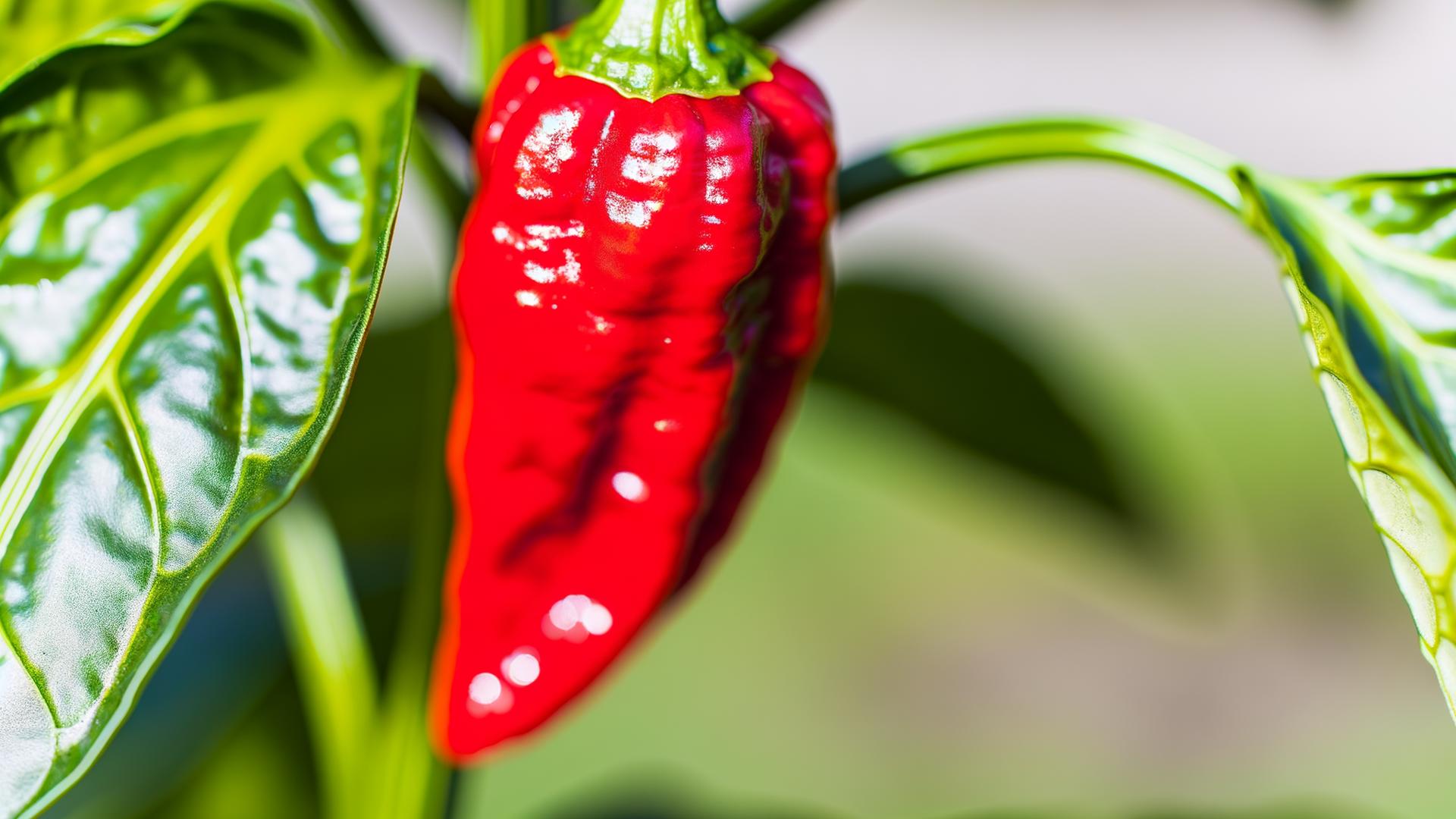
The pods of Apocalypse Red Peppers are relatively small but pack a punch that belies their size. Often tapering to a sharp point, their thin skin is a glossy deep red when ripe. Each pepper carries a wrinkled surface texture, hinting at its capsaicin-laden interior that creates its potent heat.
When tasting this pepper, there is an initial burst of sweet undertones, quickly overtaken by an intense wave of heat that lingers, making it incredibly versatile for those looking to add both flavor and fire to their dishes.
Growing Requirements of Apocalypse Red Pepper
Climate and Temperature
Apocalypse Red Peppers, like most hot peppers, thrive in warm climates. They require a long growing season with daytime temperatures ideally ranging between 70°F to 85°F (21°C to 29°C). These peppers are highly sensitive to frost, necessitating planting after the last expected frost date to ensure their survival and productivity.
Soil Type and Quality
The ideal soil for Apocalypse Red Peppers is well-draining, fertile, and rich in organic matter. The pH level should be slightly acidic to neutral, ranging from 6.0 to 7.0. Prior to planting, amending your garden soil with well-rotted compost or aged manure can greatly enhance the soil's fertility and drainage properties.
Sun Exposure
These plants bask in full sun and should receive at least 6-8 hours of direct sunlight daily. Insufficient sunlight can result in spindly plants and smaller yields, so choose a garden spot that receives ample light throughout the growing season.
Watering Needs
While they prefer warm conditions, consistent moisture is key to the healthy growth of Apocalypse Red Peppers. The soil should remain consistently moist but not waterlogged. It's advisable to water deeply once or twice a week rather than frequent shallow watering, encouraging the roots to extend deeper into the soil.
Fertilization Strategy
Apocalypse Red Peppers benefit from a balanced fertilization routine. Using a nitrogen-rich fertilizer during the early growth phase can promote strong leafy growth. As the plants start flowering, switch to a fertilizer higher in phosphorus and potassium to support fruit development and ripening.
Cultivation Techniques for Optimal Harvest
Starting from Seed
When beginning with seeds, start them indoors 8 to 10 weeks before your region's last frost date. Maintain a consistent temperature of 80°F (27°C) to encourage germination. Use seed-starting trays with high-quality potting mix, ensuring a moist environment by covering the trays with plastic domes or placing them in a greenhouse.
Transplanting
Once seedlings have developed a few sets of true leaves and the threat of frost has passed, they can be transplanted into the garden. Harden off the seedlings by gradually exposing them to outdoor conditions over the course of a week. Space the plants 18 to 24 inches apart in rows 24 to 36 inches apart, allowing ample air circulation and space for growth.
Pruning and Support
To encourage bushier growth and higher yields, pinch back the central growing tips once the plants are about 6 inches tall. As fruits develop, supporting the branches with stakes or cages can prevent them from breaking under the weight of the peppers.
Pest and Disease Management
Vigilance is vital. Common pests such as aphids, spider mites, and pepper maggots may target the plants. Consider using insecticidal soap or neem oil for organic management. Keep an eye out for diseases like mosaic virus or fungal infections, ensuring good air flow between plants and avoiding overhead watering to reduce the risk.
Harvesting
Apocalypse Red Peppers are typically ready for harvest about 70-90 days after transplanting. The peppers should be vibrant red and firm. Use scissors or a sharp knife to cut the peppers off the plant, leaving a small portion of the stem attached to prolong their shelf life.
Post-Harvest Handling
After harvesting, Apocalypse Red Peppers can be stored in a cool, dry place for up to a week. For longer-term storage, consider drying or pickling them. The dried peppers can be ground into a powder, providing that fiery Apocalypse spice all year round.
Culinary Uses of Apocalypse Red Pepper
Adding Heat to Your Dish
Apocalypse Red Peppers are perfect for dishes that call for heat — think spicy salsas, hot sauces, or even just sliced thin over pizza. The key is balancing the fiery nature with sweeter ingredients to complement its heat. A simple salsa made with diced tomatoes, onions, a little lime juice, and a finely chopped Apocalypse Red Pepper can electrify any summer meal.
Preservation Techniques
One of the most delightful ways to preserve these peppers is by turning them into a hot sauce. By blending the peppers with vinegar, garlic, and salt, and allowing the mixture to ferment, you obtain a vibrant condiment that delivers both heat and acidity.
Infusions and More
For an adventurous palette, consider infusing Apocalypse Red Peppers in cooking oils. A simple pepper-infused olive oil can add a tantalizing spice to any dish, from pastas to grilled meats.
How much heat does the Apocalypse Red Pepper have compared to other peppers?
The Apocalypse Red Pepper is exceptionally hot, with a Scoville rating often reported to be over 1 million SHU, making it one of the hotter varieties, similar to or even hotter than a Carolina Reaper.
Are Apocalypse Red Peppers difficult to grow?
While they require specific conditions like warm temperatures and well-drained soil, they are generally not difficult to grow for those in suitable climates or with the right indoor setup.
Can I grow Apocalypse Red Peppers indoors?
Yes, with sufficient light, warmth, and humidity control, Apocalypse Red Peppers can be successfully grown indoors in pots.
What common pests or diseases affect Apocalypse Red Peppers?
Common challenges include aphids, spider mites, and fungal infections. Proper care, maintenance, and monitoring can mitigate these issues.
How should I store harvested Apocalypse Red Peppers?
Store them in a cool, dry place for short-term use. For long-term storage, consider drying, pickling, or freezing them.
When is the best time to plant Apocalypse Red Peppers?
Start seeds indoors 8-10 weeks before the last frost date, and transplant after all danger of frost has passed and temperatures are consistently warm.
How can I reduce the heat when using Apocalypse Red Peppers in cooking?
Deseed the peppers and remove their internal white membrane, as these parts contain the most capsaicin, which is where much of the heat resides.
Are there any companions plants recommended for growing with Apocalypse Red Peppers?
Basil, onions, and carrots can make good companion plants, enhancing growth and reducing pest populations through natural means.
Can Apocalypse Red Peppers be crossbred with other peppers?
Yes, they can crossbreed with other Capsicum chinense species, potentially resulting in unique hybrids.
What is the ideal watering schedule for Apocalypse Red Peppers?
Maintain consistent moisture levels, watering deeply once or twice a week depending on weather and soil conditions, avoiding waterlogged soil to prevent root rot.
Discussion (0)
No comments yet. Be the first to start the conversation!
Leave a Reply