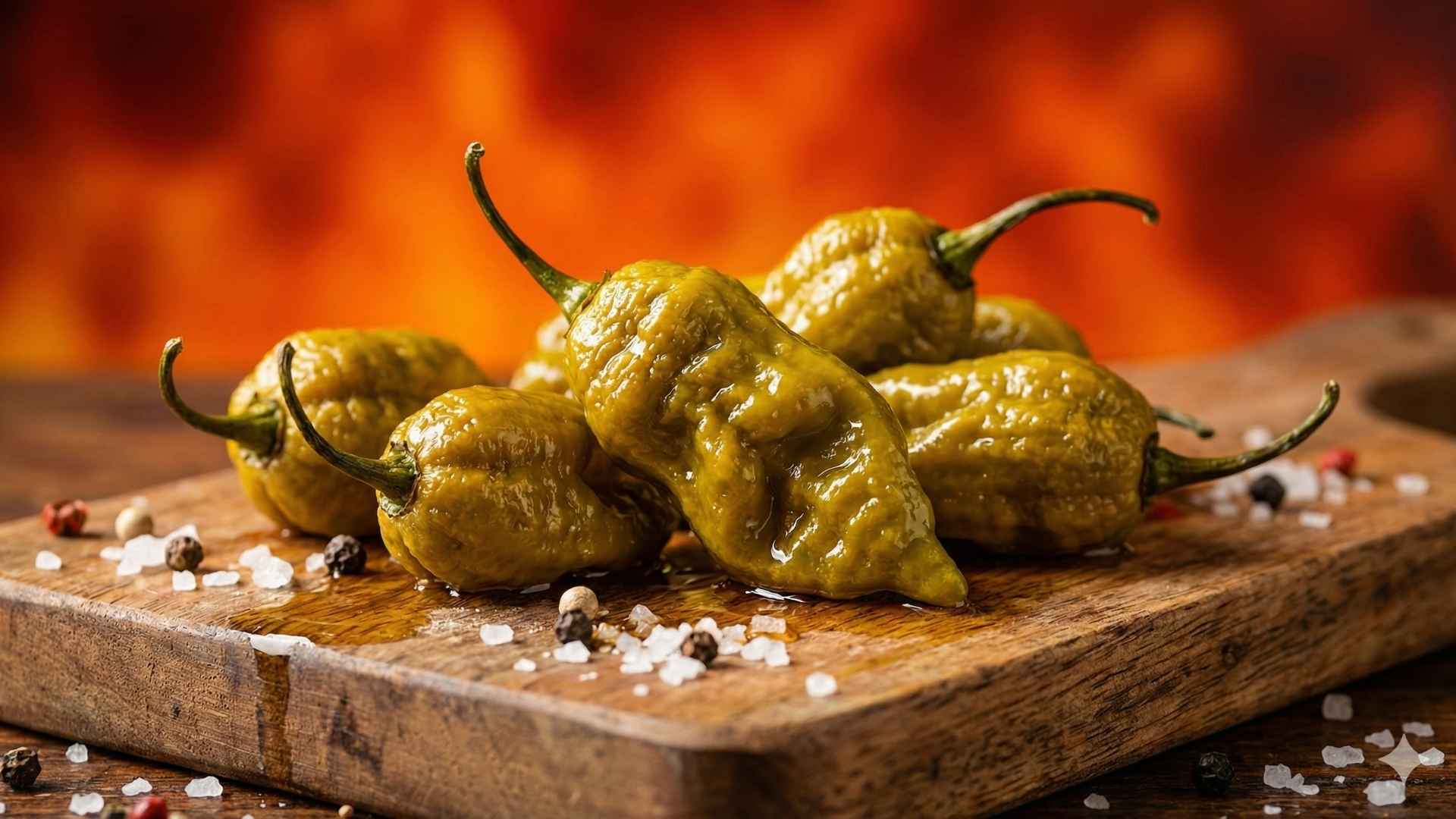
If you’ve ever bitten into a chili and thought, “Okay… that’s enough,” then the world’s hottest pepper is the exact opposite of that moment.
This is not “spicy food.” This is pure capsaicin engineering—peppers bred specifically to push the limit of how much heat a fruit can contain.
And because the internet is full of claims, clickbait names, and “my cousin’s pepper is hotter” stories, let’s do this properly: what actually holds the record in 2026, why it counts, what’s hype, and which super-hots are worth growing if you want insane heat and real flavor.
What is the world’s hottest pepper in 2026?
As of 2026, the official world record for the hottest chili pepper belongs to Pepper X.
This matters because “world’s hottest” isn’t a vibe—it’s a measurement. Pepper X is recognized as the hottest based on formal testing and record certification, not social media guesses.
Here’s the practical twist for gardeners:
- Pepper X is not widely available as seed or plants.
It’s a record pepper, but most people can’t grow it at home. - If your goal is to grow something brutally hot in 2026, your real choices are the super-hots you can actually source and cultivate reliably.
So yes: Pepper X is the record.
But your garden can still produce heat that feels unreal.
How “hottest pepper” is measured (and why numbers vary)
Heat is expressed in Scoville Heat Units (SHU), which represent the concentration of capsaicinoids—the compounds responsible for that burning sensation.
Two key things every grower should know:
-
A pepper variety has a range, not a single number.
The same cultivar can test higher or lower depending on sun, temperature, water stress, nutrition, ripeness, and plant health. -
The only comparisons that matter are lab-tested comparisons.
Claims like “this pepper is 4 million SHU” pop up constantly. Without credible testing, it’s just marketing.
If you’re growing super-hots, treat SHU as a heat bracket, not a guaranteed output.
Pepper X in plain language: what it feels like, and why it’s different
Most people imagine heat like a quick flame.
Super-hots don’t behave that way.
Pepper X is described as long-burning, deep, and lingering—the kind of heat that doesn’t spike and disappear. It builds, expands, and stays. That’s typical of ultra-high capsaicin peppers, especially when the pepper has thick internal placenta tissue (where most capsaicin is concentrated).
Flavor-wise, record peppers often have:
- earthy notes,
- bitter edges,
- strong vegetal intensity,
- and sometimes a surprisingly interesting aroma under the burn.
But you don’t grow peppers like this for casual snacking. You grow them for micro-dosing, sauce craft, powders, and bragging rights you actually earned.
The real “grower’s truth”: the best super-hot peppers for 2026 are the ones you can actually source
If Pepper X is hard to obtain, what should you grow if you want the closest experience?
The “big three” for growers are still:
- Carolina Reaper – iconic, brutally hot, widely grown
- Trinidad Moruga Scorpion – savage heat with deep, heavy flavor
- Bhut Jolokia (Ghost Pepper) – slower, smoky, intense, classic super-hot feel
Then come the specialist favorites: 7 Pot types, chocolate variants, and niche phenotypes bred for flavor + fire.
Super-hot peppers: what makes them succeed (and what makes them fail)
Super-hots are not harder because they’re “fancy.”
They’re harder because they punish instability.
If you want heavy pods, strong heat, and fewer flower drops, focus on these fundamentals:
- Long season start: super-hots benefit from early sowing because they mature slowly.
- Stable warmth: they dislike cold nights and stalled root zones.
- Bright light: weak light creates tall, thin plants that struggle later.
- Container volume: small pots stunt super-hots brutally.
- Balanced feeding: too much nitrogen = leafy plants with flower drop and delayed fruiting.
- Consistent watering: swings in moisture stress the plant at the wrong moments.
A stable routine beats “special products” every time.
Heat-building growing strategy (without wrecking your plants)
If you want a pepper that actually hits its reputation, aim for controlled strength, not chaos:
- Keep growth steady early (warmth + light + mild feeding).
- When plants start setting fruit, shift the emphasis away from leaf growth.
- Avoid overwatering once the plant is established—consistent moisture, not constant saturation.
- Let pods fully mature on the plant. Many super-hots are significantly hotter at full color.
A common myth is “starve the plant to make it hotter.”
In reality, stressed plants often yield less and become disease magnets. The best heat usually comes from strong plants that can afford to produce powerful pods.
The 2026 super-hot shortlist (record + growable legends)
Tabela: World’s hottest peppers 2026 – record and top growable alternatives
| Pepper | Heat Tier | Typical SHU Range (Realistic) | Flavor Notes | Availability for Gardeners | Best Use |
|---|---|---|---|---|---|
| Pepper X | Record | Record-level average in the ~2.7M range | Deep, heavy, intense | Limited / not commonly sold as seed | Micro-dose sauces, record interest |
| Carolina Reaper | Extreme | Often quoted ~1.4M–2.2M+ | Fruity + sharp burn | Widely available | Sauces, powders, small-batch heat |
| Trinidad Moruga Scorpion | Extreme | Commonly reported ~1.2M–2.0M+ | Rich, heavy, “dark” heat | Widely available | Extreme sauces, fermentation |
| Bhut Jolokia (Ghost Pepper) | Extreme | Commonly reported ~800K–1.1M+ | Smoky, lingering | Widely available | Drying, flakes, smoky blends |
| 7 Pot Primo | Extreme | Often reported in the 1M+ territory | Fruity, aggressive burn | Common in specialty seed circles | Sauces, “challenge” heat |
| 7 Pot Douglah (Chocolate) | Extreme | Often reported in the 1M+ territory | Earthy, complex, bold | Specialty, but obtainable | Premium dark sauces |
| Chocolate Bhutlah | Extreme+ | Often described as “beyond standard super-hot” | Dark, brutal, deep aroma | Specialty seeds | Micro-dose blends, collectors |
| Trinidad Scorpion (variants) | Extreme | High 7-figure potential depending on phenotype | Bright heat, sharp punch | Widely available | Salsas, sauces, fermentation |
Safety rules for super-hots (non-negotiable)
Super-hots are not “dangerous” in the dramatic internet sense, but they absolutely can cause severe discomfort—and contact burns are real.
If you grow or process these peppers:
- Wear gloves when cutting.
- Avoid touching your face, eyes, or contact lenses.
- Ventilate when cooking or dehydrating (capsaicin aerosol is brutal).
- Start with tiny amounts in food—think “toothpick dosage,” not “one whole pod.”
- Keep powders away from kids and pets.
A good super-hot pepper is powerful enough that you never need a lot of it.
How to choose your “hottest pepper” lineup for 2026 (practical approach)
If you’re building a serious chili lineup, don’t rely on one plant.
A strong set looks like this:
- 1× Carolina Reaper (benchmark extreme)
- 1× Moruga Scorpion (deep, rich burn)
- 1× Ghost Pepper (smoky classic, reliable)
- 1× 7 Pot variety (for that “unfair” heat jump)
- Optional: 1× flavor super-hot (chocolate type or fruity phenotype)
This gives you:
- different burn styles,
- different flavors,
- and insurance if one variety underperforms.
FAQ – World’s Hottest Pepper 2026
1. What is the world’s hottest pepper in 2026?
Pepper X holds the official record as the hottest chili pepper.
2. Can I buy Pepper X seeds and grow it at home?
In most cases, no. It is not commonly available to home gardeners.
3. What’s the best “realistic alternative” to Pepper X for growers?
Carolina Reaper, Moruga Scorpion, and 7 Pot types are the closest practical options for extreme heat.
4. Why do SHU numbers differ across websites?
Heat varies by growing conditions and phenotype, and many claims are not lab-verified.
5. Which super-hot pepper has the best flavor, not just heat?
Many growers love chocolate 7 Pot types and Moruga-style peppers for depth and complexity.
6. Can super-hot peppers grow well in containers?
Yes—if you use large pots, stable warmth, strong light, and consistent watering.
7. What container size is best for super-hots?
Aim for 15–25 liters (4–7 gallons) for serious results.
8. How do I increase heat level naturally while growing?
Maximize sunlight, keep nutrition balanced during fruiting, and avoid erratic watering.
9. Are super-hot peppers safe to dehydrate at home?
Yes, but only with strong ventilation. The airborne heat can be overwhelming indoors.
10. What’s the biggest mistake people make with super-hot peppers?
Overfeeding with nitrogen and using pots that are too small—both reduce fruiting and increase flower drop.
Discussion (0)
No comments yet. Be the first to start the conversation!
Leave a Reply