Unveiling the 7 Pot Bubble Gum Yellow
In the fascinating world of pepper cultivation, the 7 Pot Bubble Gum Yellow stands out not just for its vibrant hue but also for its explosive flavor and heat. This enchanting pepper is a member of the illustrious Capsicum chinense family, renowned for their spicy contributions to cuisines worldwide.
Originating from the Caribbean, specifically Trinidad and Tobago, the 7 Pot peppers have earned their name due to the belief that one pepper is potent enough to flavor seven pots of stew. Their relative, the 7 Pot Bubble Gum Yellow, inherits this fiery heritage while gracing gardens with its visually striking appearance.
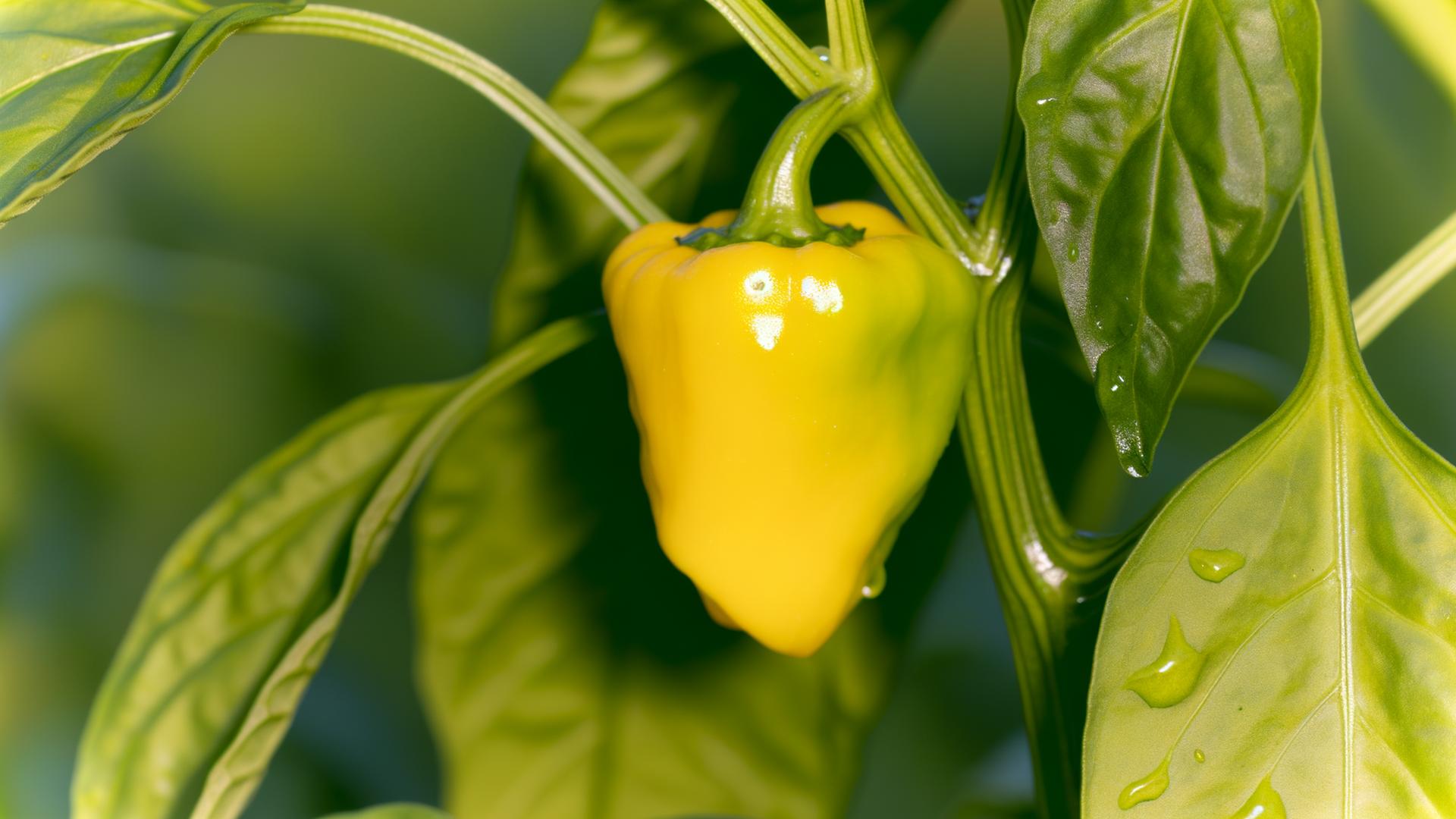
This pepper variety is distinctive not just for its heat but for the unique way the color "bleeds" onto its stem and calyx, creating a stunning visual effect. This trait sets it apart from other peppers, where typically only the fruit bears a vivid color. The yellow version of the 7 Pot Bubble Gum, although as fiery as its siblings, brings a bit of sunshine with its bright color and slightly fruity undertones.
Cultivation Requirements
Climate and Location
When embarking on the journey to cultivate the 7 Pot Bubble Gum Yellow, understanding its climate preferences is pivotal. These peppers thrive in warm climates, most suited to USDA hardiness zones 9 to 11. They require long, sunny days to develop their full flavor profile and heat, needing a minimum of six hours of direct sunlight daily.
If you're residing in cooler zones, fear not! You can still grow these peppers provided you give them a home in a greenhouse or start them indoors. Peppers need consistent temperatures hovering between 70°F to 85°F for optimal growth. Any significant drop in temperature can stunt their growth and affect fruit production.
Soil Specifications
The foundation of any successful pepper garden is its soil. For your 7 Pot Bubble Gum Yellow, a well-draining soil rich in organic matter is ideal. Aim for a pH level between 6.0 to 6.8. If your garden soil doesn't meet these criteria, amendments such as compost or aged manure can help enrich its nutrient content and drainage capability.
Moreover, sandy loam or loamy soil types are perfect, allowing the plant's roots to navigate easily and absorb nutrients efficiently. Ensure you prepare and cultivate the soil weeks before planting to allow nutrients to settle and any added organic matter to integrate fully.
Planting Techniques
Begin your pepper cultivation indoors about 8-10 weeks before the last expected frost. This head start allows you to nurture seedlings in a controlled environment and eventually transition them to the outdoors when the soil warms up.
Sow seeds about 1/4 inch deep in small pots or seed trays filled with a sterile soilless starting mix. Maintain a constant temperature of around 80°F to ensure healthy germination. Using a heat mat can be beneficial to achieve this.
Once seedlings have at least two sets of true leaves and outdoor temperatures stabilize above 60°F even at night, it's time to harden them off. Gradually introduce your seedlings to the outdoor environment over a week, slowly increasing their exposure to the sun and air to prevent transplant shock.
Care and Maintenance
Peppers are generally low-maintenance, but the 7 Pot Bubble Gum Yellow will reward you with generous yields if given the right care.
Watering
Consistent watering is crucial, especially during flowering and fruiting stages. Aim to keep the soil evenly moist but take care not to overwater, as soggy roots can lead to diseases like root rot. Drip irrigation systems or soaker hoses are excellent options for maintaining consistent moisture levels and reducing the chance of fungal issues.
Fertilization
These heat aficionados aren’t extremely heavy feeders but do appreciate a balanced diet. Start with a well-balanced fertilizer when transplanting seedlings outdoors. Once flowering begins, switch to a low-nitrogen, high-potassium fertilizer to encourage fruit production and development.
Pruning and Supporting
Pruning can help peppers produce more fruit. Remove any early flowers to allow the plant to develop a robust root system and bushier foliage. As the plant begins to fruit, consider providing support such as stakes or cages to prevent branches laden with peppers from breaking.
Pest and Disease Management
Pepper plants, including the 7 Pot Bubble Gum Yellow, can fall prey to common garden pests like aphids, spider mites, and pepper weevils. Regular inspection and encouraging beneficial insects like ladybugs can help manage these pests.
Disease-wise, watch out for signs of bacterial spot or fungal infections. Practicing crop rotation, ensuring adequate space between plants for air circulation, and avoiding overhead watering can minimize these risks.
Harvesting the 7 Pot Bubble Gum Yellow
Patience is a virtue when it comes to harvesting these illustrious peppers. Typically, the 7 Pot Bubble Gum Yellow will take about 120 days from planting to start yielding mature fruit. The key is to allow them to fully mature on the plant for the best flavor and heat, signified by their uniform bright yellow color and the color bleed effect on stems.
Use sharp scissors or pruning shears to cut the peppers to avoid damaging the plant. Remember to wear gloves during harvest, as the potent capsaicin in the peppers can irritate the skin.
Culinary Uses and Storing
The culinary applications of the 7 Pot Bubble Gum Yellow are tantalizingly diverse. Their fruity yet fiercely hot flavor makes them ideal candidates for crafting hot sauces, salsas, and chutneys. They are also excellent for drying and grinding into powders which can add a memorable kick to any dish.
When it comes to storing, fresh peppers can last a couple of weeks in the refrigerator. For long-term storage, consider drying or freezing them. Drying can be done using a dehydrator or by simply air-drying them in a well-ventilated area.
Challenges and Tips for Success
Even the most seasoned gardeners might find certain challenges when growing this super-hot pepper. Here are key tips to steer you towards a successful harvest:
- Temperature Management: Maintain stable temperatures. Fluctuations, especially nighttime lows, can affect budding and fruit setting.
- Pollination: Ensure pollinators are present. Hand-pollinate in a greenhouse environment if natural pollinators are scarce.
- Rotation: Avoid planting peppers in spots where tomatoes, eggplants, or other peppers grew the previous year to prevent soil-borne diseases.
- pH Testing: Regularly test soil pH and adjust accordingly with lime or sulfur treatments to maintain the ideal acidic range.
FAQs
What makes the 7 Pot Bubble Gum Yellow unique compared to other peppers?
The 7 Pot Bubble Gum Yellow is unique due to its extreme heat and distinct color bleed effect, where the yellow color extends to the stem and calyx.
How spicy is the 7 Pot Bubble Gum Yellow pepper?
This pepper ranks high on the Scoville Heat Scale, typically between 800,000 to 1,000,000 SHU, making it one of the hottest peppers.
Can 7 Pot Bubble Gum Yellow peppers be grown indoors?
Yes, they can be grown indoors with sufficient light. Indoor growing utilizes grow lights to fulfill their high sunlight requirement.
What are the common pest problems associated with this pepper?
Common pests include aphids, spider mites, and pepper weevils. Regular plant inspections and natural predators like ladybugs can help control these pests.
How often should I water my pepper plants?
Water deeply but infrequently. Ensure soil maintains consistent moisture without becoming waterlogged, watering approximately once a week, depending on climate conditions.
What's the best way to store harvested peppers?
Fresh peppers can be stored in the refrigerator for two weeks. For longer storage, consider drying or freezing them.
Are there specific fertilizers recommended for 7 Pot Bubble Gum Yellow?
Begin with a balanced fertilizer, then switch to one higher in potassium and phosphorus during fruiting, which aids pepper production.
When is the best time to harvest 7 Pot Bubble Gum Yellow peppers?
Harvest when they reach full color, typically 120 days after planting. The color should be vibrant, and the calyx should show the characteristic color bleed.
Why are my pepper plants not producing fruit?
Insufficient sunlight, poor pollination, temperature fluctuations, or nutrient imbalances could cause poor fruit production.
Can I use these peppers to make hot sauce?
Absolutely! Their fruity and hot profile is perfect for crafting flavorful hot sauces that pack a punch.
Discussion (0)
No comments yet. Be the first to start the conversation!
Leave a Reply