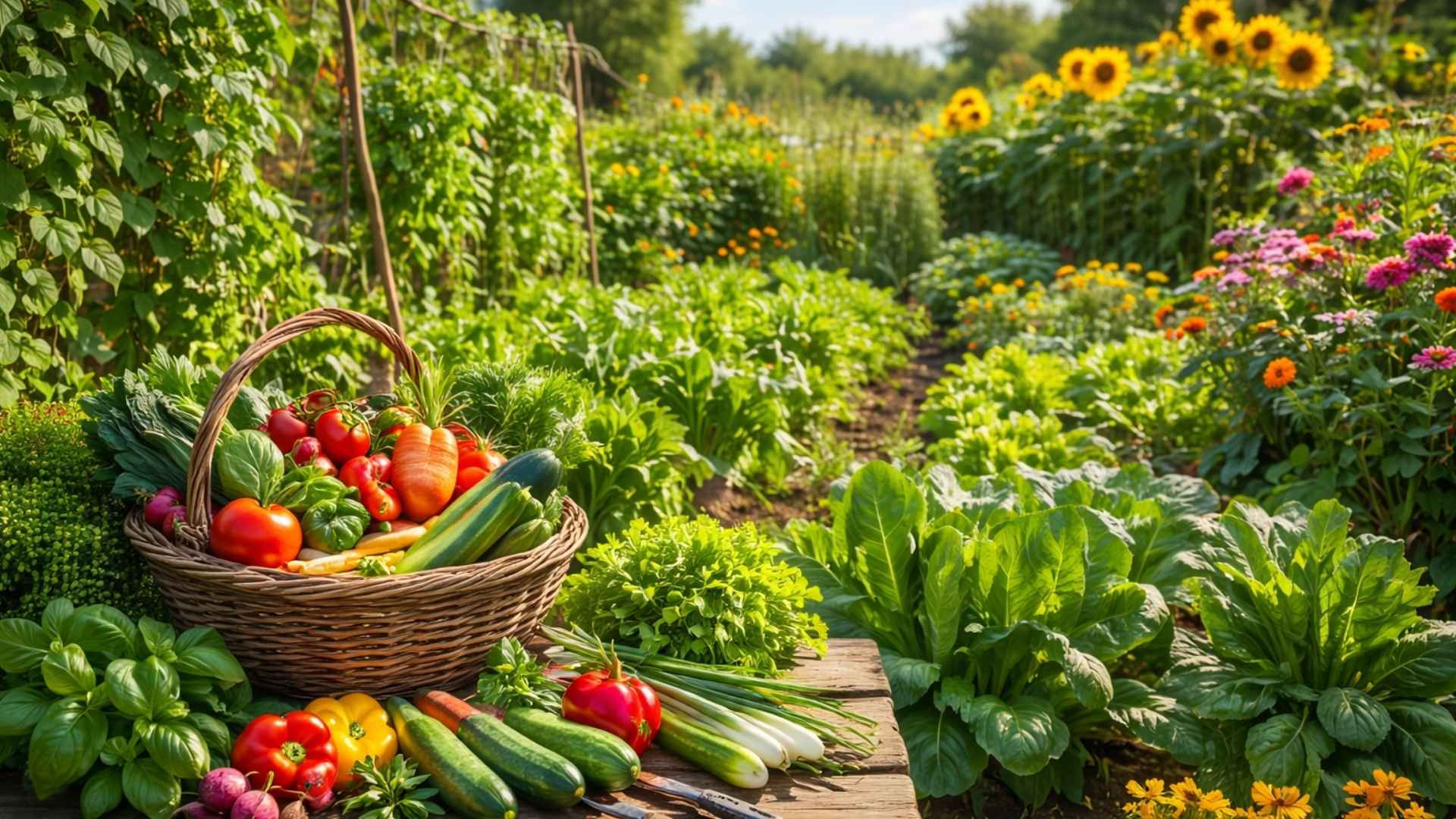
January in New Zealand sits at the heart of the growing season. Long daylight hours, warm soil, and active microbial life make this month ideal not only for harvesting, but also for strategic planting and succession sowing. While many gardeners mistakenly believe January is “too late” to plant, experienced growers know this is when smart choices make the difference between an average garden and a continuously productive one.
This guide focuses on what actually works in January across New Zealand, taking into account summer heat, regional differences, and realistic harvest windows. The emphasis is on crops that germinate reliably in warm soil and mature before autumn temperatures begin to slow growth.
Understanding January Growing Conditions in New Zealand
January conditions vary slightly between regions, but several factors are consistent nationwide. Soil temperatures are high, which accelerates germination, but moisture management becomes critical. Rapid evaporation and occasional heat stress mean that crop selection and watering strategy matter more now than earlier in the season.
In the North Island, January allows for a wider range of fast-growing vegetables and even some late fruiting crops. In the South Island, the focus shifts toward reliable, quick-maturing varieties that can complete their cycle before cooler nights arrive in early autumn.
Gardeners who adapt planting choices to these realities can still achieve excellent yields well into late summer and early autumn.
Vegetables to Plant in January in New Zealand
January is an excellent month for succession planting, ensuring continuous harvests rather than a single peak. Many vegetables respond extremely well to warm soil and long days, provided they receive consistent moisture.
Best Vegetables for January Sowing
- Beans (dwarf and climbing) – Fast-growing and productive, ideal for replacing harvested crops.
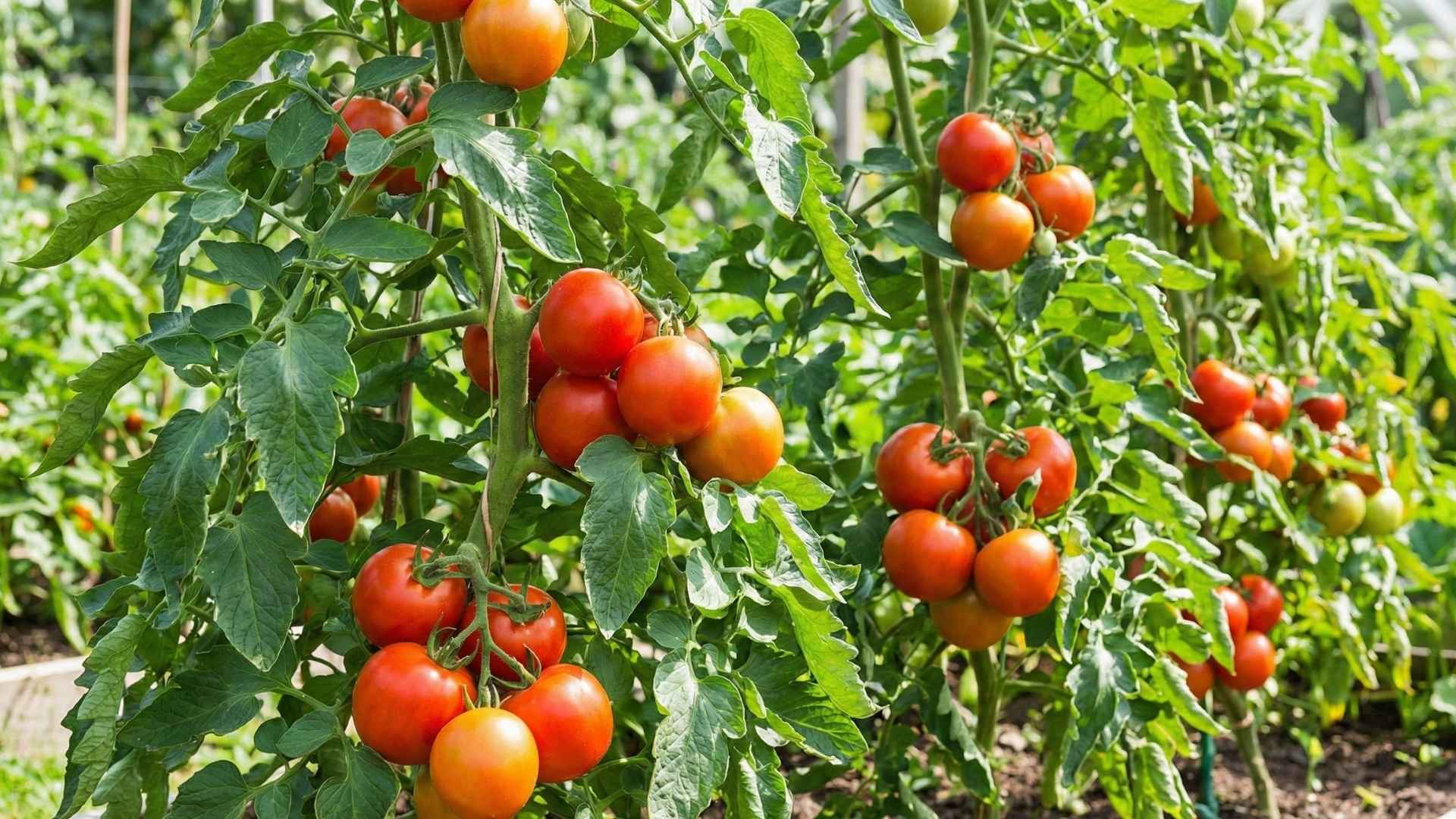
- Courgette (zucchini) – Reliable summer performer that fruits quickly in warm conditions.
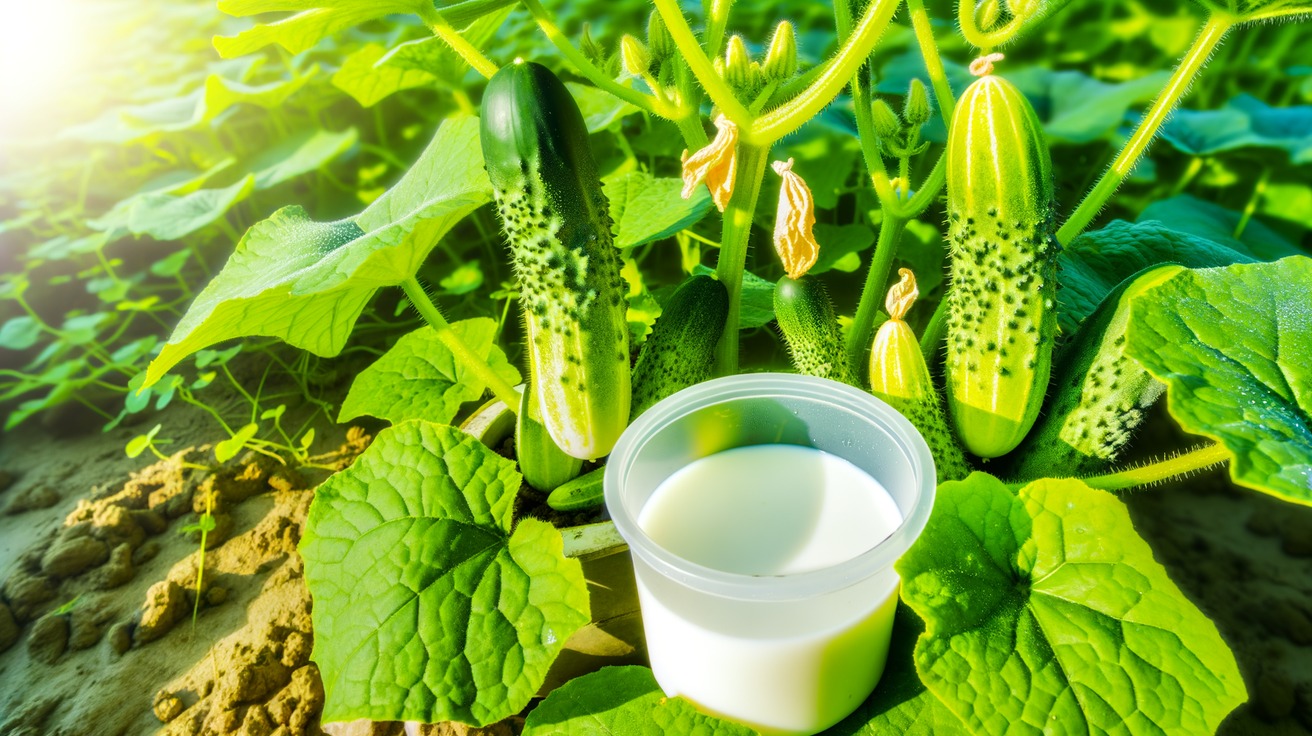
- Cucumbers – Thrive in heat and long daylight when watered regularly.
- Sweetcorn – Suitable in warmer regions for a late-summer harvest.
- Carrots – Summer-sown carrots develop strong flavor with proper irrigation.
- Beetroot – Handles warmth well and matures evenly.
- Lettuce (heat-tolerant types) – Choose loose-leaf or cos varieties for summer success.
- Silverbeet – Extremely resilient and productive through summer and autumn.
- Spring onions – Ideal for continuous sowing and quick harvest.
- Radishes – One of the fastest crops, ready in weeks even in high summer.
Herbs That Thrive When Planted in January
Warm soil and strong sun make January one of the best months for aromatic herb establishment. Many herbs planted now develop deeper root systems before autumn, improving overwintering potential in milder regions.
- Basil – Loves heat and grows rapidly in January conditions.
- Coriander – Use slow-bolting varieties to manage summer temperatures.
- Dill – Germinates quickly in warm soil and matures fast.
- Parsley – Establishes well now for long-term harvesting.
- Chives – Hardy and adaptable across regions.
- Oregano – Thrives in dry, sunny summer conditions.
- Thyme – Excellent choice for January planting in free-draining soil.
Flowers to Sow in January for Extended Bloom
January planting isn’t limited to food crops. Many flowering plants benefit from mid-summer sowing, producing blooms in late summer and early autumn when other plants begin to fade.
- Zinnias – Heat-loving and fast to flower.
- Cosmos – Tolerant of dry conditions and poor soils.
- Marigolds – Useful companion plants that bloom quickly.
- Calendula – Hardy and adaptable, with edible petals.
- Sunflowers (dwarf types) – Suitable for late planting and quick growth.
- Nasturtiums – Both ornamental and edible, thriving in summer warmth.
Table: What to Plant in January in New Zealand
| Plant Type | Crop | Planting Method | Harvest Window | Best Regions |
|---|---|---|---|---|
| Vegetable | Beans | Direct sow | 6–8 weeks | All regions |
| Vegetable | Courgette | Direct sow / seedlings | 6–7 weeks | All regions |
| Vegetable | Carrots | Direct sow | 8–10 weeks | All regions |
| Herb | Basil | Seed or transplant | 4–6 weeks | North & Central NZ |
| Herb | Parsley | Direct sow | 8+ weeks | All regions |
| Flower | Zinnia | Direct sow | 6–8 weeks | All regions |
Key January Gardening Tips for New Zealand
January planting success depends less on temperature and more on water management and timing. Early morning watering reduces evaporation losses, while mulching helps stabilize soil moisture and temperature.
Spacing becomes especially important now, as overcrowded plants suffer more quickly in heat. Shade cloth or strategic planting near taller crops can also reduce stress for delicate greens like lettuce.
Gardeners who treat January as a continuation of the growing season, rather than its end, consistently harvest longer and more reliably.
FAQ – What to Plant in January in New Zealand
1. Is January too late to plant vegetables in New Zealand?
No. Many fast-growing vegetables and herbs thrive when planted in January.
2. What vegetables grow fastest when planted in January?
Radishes, lettuce, beans, and spring onions mature very quickly in warm soil.
3. Can I still plant carrots in January?
Yes, carrots planted in January grow well with consistent moisture.
4. Are herbs safe to plant in mid-summer?
Most herbs, especially basil, parsley, and oregano, establish very well in January.
5. Does January planting differ between North and South Island?
Yes. The North Island allows slightly longer-season crops, while the South Island favors quick-maturing varieties.
6. Should I use seedlings or seeds in January?
Both work, but direct sowing is often successful due to warm soil.
7. How often should I water newly planted crops?
Light, frequent watering is better than deep, infrequent watering in summer heat.
8. Can I plant flowers in January?
Yes, many annual flowers bloom successfully when planted in mid-summer.
9. What crops should be avoided in January?
Long-season crops with slow maturation are generally less reliable.
10. Will January-planted crops produce before autumn?
Yes, if you choose fast-growing varieties and manage water properly.
Discussion (0)
No comments yet. Be the first to start the conversation!
Leave a Reply