January is one of the most misunderstood months in gardening because it does not mean the same thing everywhere. In the Southern Hemisphere it is often peak summer, while in much of the Northern Hemisphere it is deep winter. Add tropical wet/dry seasons and mild Mediterranean winters, and a “one-size-fits-all” checklist becomes misleading fast.
This January garden to do list solves that problem by dividing tasks into the most common global climate patterns. Find your zone, follow the priorities, and you will avoid the classic January mistakes: overwatering dormant plants, pruning at the wrong time, sowing too early without protection, or ignoring pests that quietly build up for spring.
Step 1: Identify Your January Garden Zone
Use this quick guide to choose the correct section:
- Northern Hemisphere Cold Winter: freezing nights, snow/frost, plants dormant (many parts of North America, Europe, Central Asia).
- Northern Hemisphere Mild Winter / Mediterranean: cool, wet winters; mild frosts at most (Mediterranean Basin, coastal California, parts of Chile, South Africa’s Cape region).
- Tropical & Subtropical (Wet/Dry Seasons): warm year-round; January may be wet, dry, or storm-prone depending on region (SE Asia, parts of Africa, Central America, northern Australia).
- Southern Hemisphere Summer: hot, bright, active growth season (Australia, New Zealand, southern South America, South Africa).
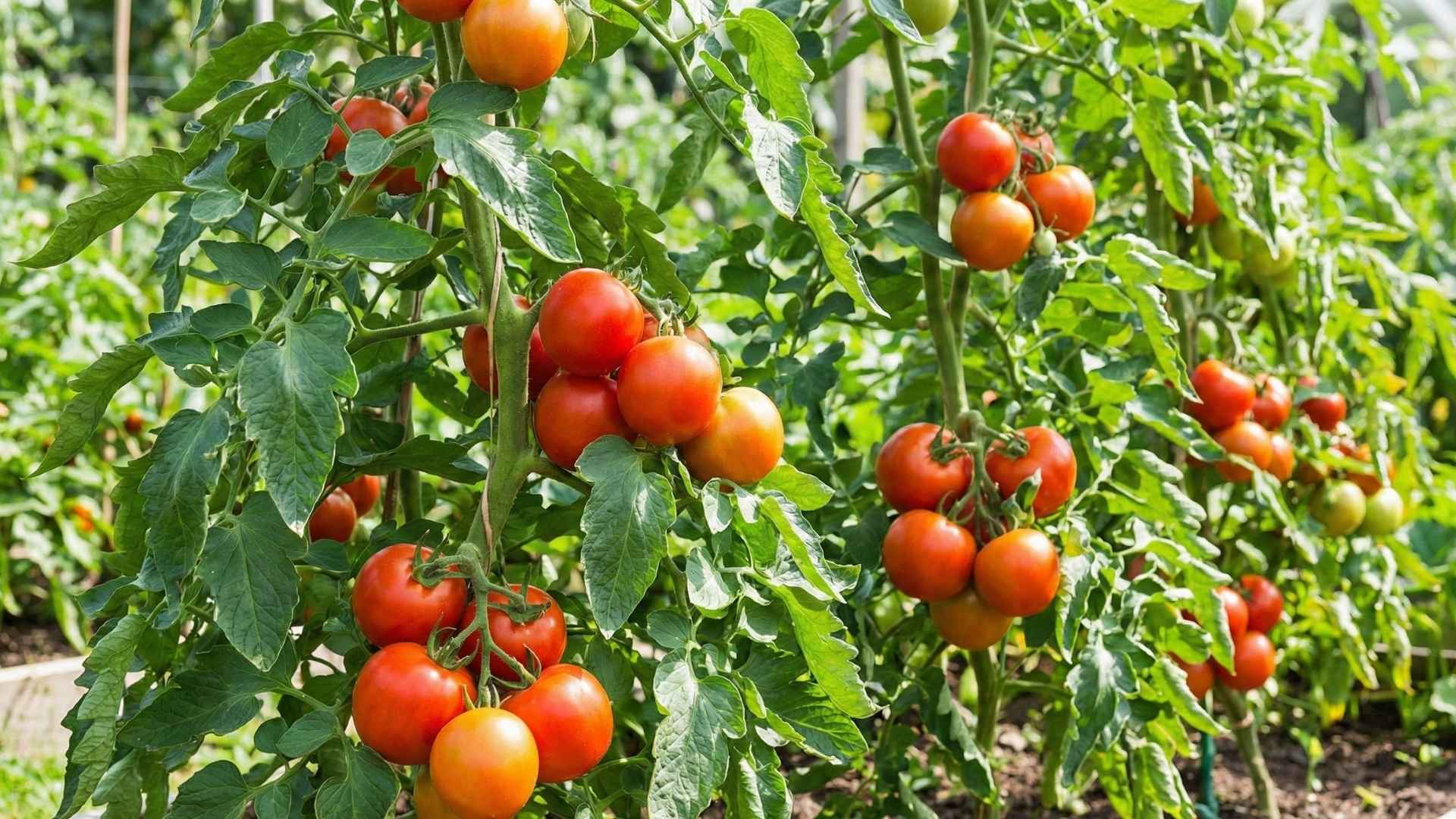
If you are unsure, use your local cues: if lawns are dormant and soil is cold, read the winter sections; if tomatoes and cucumbers are producing, read the summer section.
Northern Hemisphere Cold Winter: The “Protect, Plan, Prepare” January List
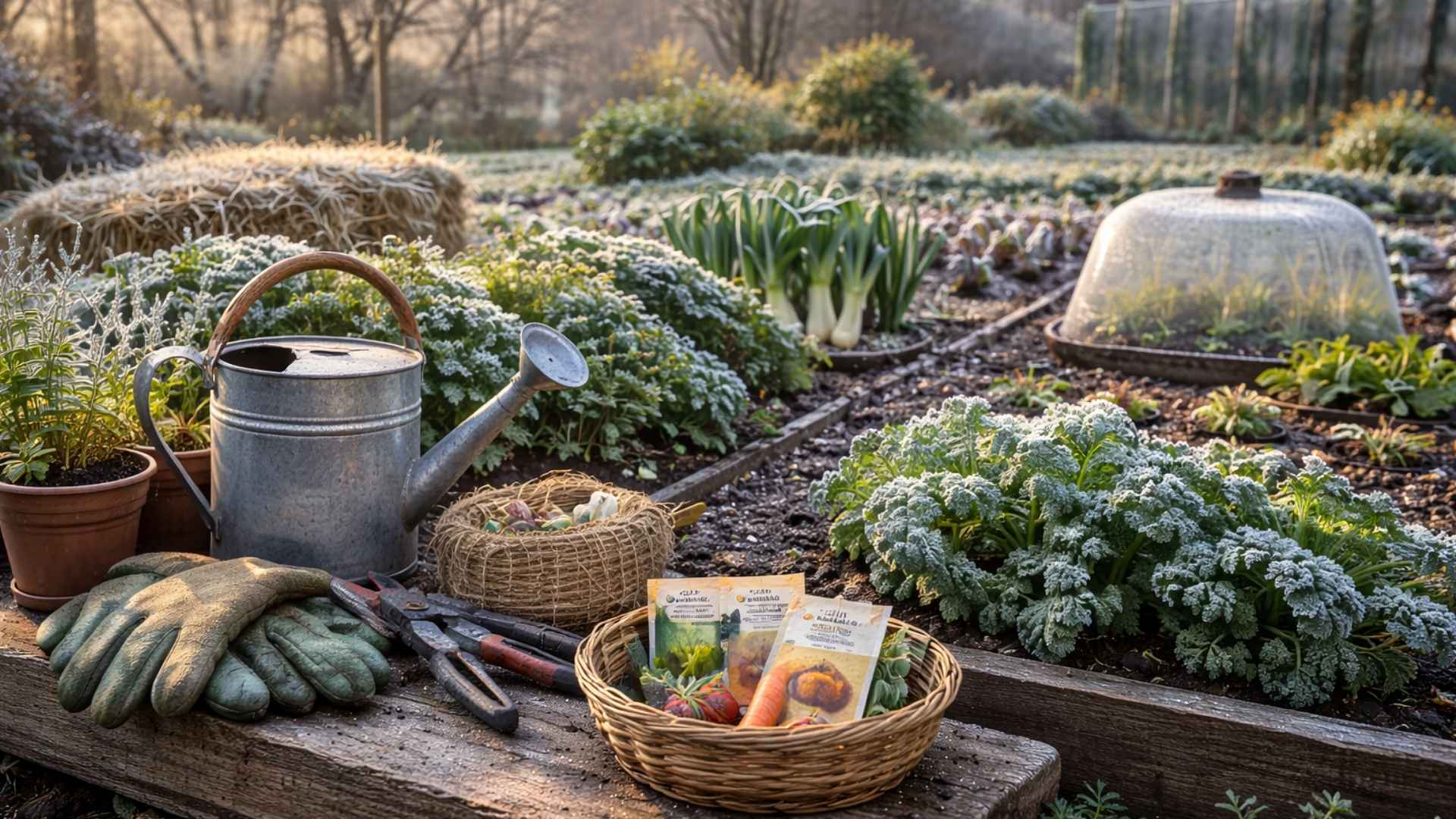
In cold-winter regions, January is less about growth and more about preventing damage and setting up spring success. Most outdoor beds are dormant or frozen, but your decisions now affect bud health, disease pressure, and how smoothly your garden restarts.
Protect plants from cold swings and wind
Freeze-thaw cycles are often more damaging than steady cold. Check winter coverings after storms and re-secure fleece, burlap, or windbreaks. Pay special attention to evergreens, newly planted shrubs, and young trees that can desiccate in wind even when soil is frozen.
Water only when it is truly needed
Many gardeners either forget winter watering completely or overdo it. Water is only useful if the ground is not frozen and plants are at risk of drying out (especially evergreens). If soil is frozen solid, watering is pointless; if a mild spell arrives and soil is workable, a deep watering can prevent winter burn.
Prune only what is appropriate (and only when weather allows)
January is often a good time for structural pruning of dormant trees in many climates, but not all species should be pruned now. Remove dead, broken, or dangerous limbs anytime it is safe. Avoid pruning species that are prone to bleeding or disease issues when cut at the wrong time. If temperatures are extremely low, delay pruning to prevent brittle wood damage and poor wound response.
Sanitation: remove disease reservoirs
If weather allows, clear fallen fruit, diseased leaves, and rotting plant debris. This reduces overwintering fungal spores and pest eggs. Clean and sharpen tools now, not when spring work piles up.
Start seeds indoors only if you can meet the requirements
January seed-starting works only with sufficient light, warmth, and space. If you cannot provide strong light and stable temperatures, wait. Weak seedlings cost more time than they save.
Northern Hemisphere Mild Winter / Mediterranean: The “Grow Through Winter” January List
In mild-winter climates, January is productive. Cool-season vegetables thrive, weeds grow aggressively, and fungal disease can be a bigger threat than insects. This is the month to combine steady planting with careful moisture management.
Sow and transplant cool-season vegetables
January is ideal for planting or maintaining:
- leafy greens (lettuce, spinach, chard),
- brassicas (kale, cabbage, broccoli starts),
- roots (carrots, radish, beetroot in many areas),
- alliums (onions, leeks, spring onions).
Growth is slower than spring, but plants establish strong root systems that explode later.
Manage moisture and airflow to reduce fungal problems
Cool, damp conditions encourage mildew, rot, and leaf spot. Water early in the day so foliage dries. Thin overcrowded greens and improve spacing. Remove leaves that sit on wet soil.
Prune and train fruit trees and vines carefully
Many fruit trees and grapevines can be pruned in winter dormancy in Mediterranean climates. Focus on structure: light penetration and airflow now prevent disease and improve fruiting later. Avoid pruning during heavy rain events.
Weed early and mulch smartly
Winter weeds can take over beds fast. Weed while soil is soft, then apply mulch or compost as a protective layer. In mild climates, a winter mulch also stabilizes soil biology and reduces nutrient leaching.
Tropical & Subtropical: The “Season-Driven” January List
In the tropics, “January tasks” are defined less by temperature and more by rainfall, humidity, storm risk, and pest cycles. Your checklist should be built around whether January is part of the wet season, the dry season, or a transition period.
During the wet season: prioritize drainage, disease control, and staking
Excess moisture causes root problems, fungal outbreaks, and nutrient loss. Improve drainage by raising beds, adding organic matter, and avoiding compaction. Stake tall plants early because storms and saturated soil can topple crops quickly.
During the dry season: prioritize watering efficiency and soil protection
If January is dry where you live, mulching becomes non-negotiable. Focus on deep watering, shade management, and wind protection. Many tropical gardeners succeed by building living shade, using trellises, and keeping soil covered at all times.
Planting choices should match your rainfall reality
In humid conditions, choose varieties known for disease tolerance and avoid overcrowding. In dry conditions, choose drought-tolerant crops and plant in the coolest part of the day. Timing and microclimate matter more here than calendar dates.
Pest scouting is a weekly job
Warm climates allow pests to reproduce year-round. Check undersides of leaves, new growth, and shaded areas. Early intervention prevents the “sudden collapse” pattern common in tropical gardens where pest populations explode quickly.
Southern Hemisphere Summer: The “Manage Growth and Extend Harvests” January List
In Southern Hemisphere regions, January is peak activity. Plants grow rapidly, fruiting crops are in full swing, and the garden needs management discipline to stay productive and healthy.
Water with a plan, not a panic response
Heat increases evaporation, but watering too often can still weaken roots. Aim for deep watering and stable moisture. Mulch reduces watering frequency, prevents soil crusting, and protects soil life. If heatwaves hit, shade cloth or afternoon shade can keep plants productive instead of stressed.
Harvest often to keep plants producing
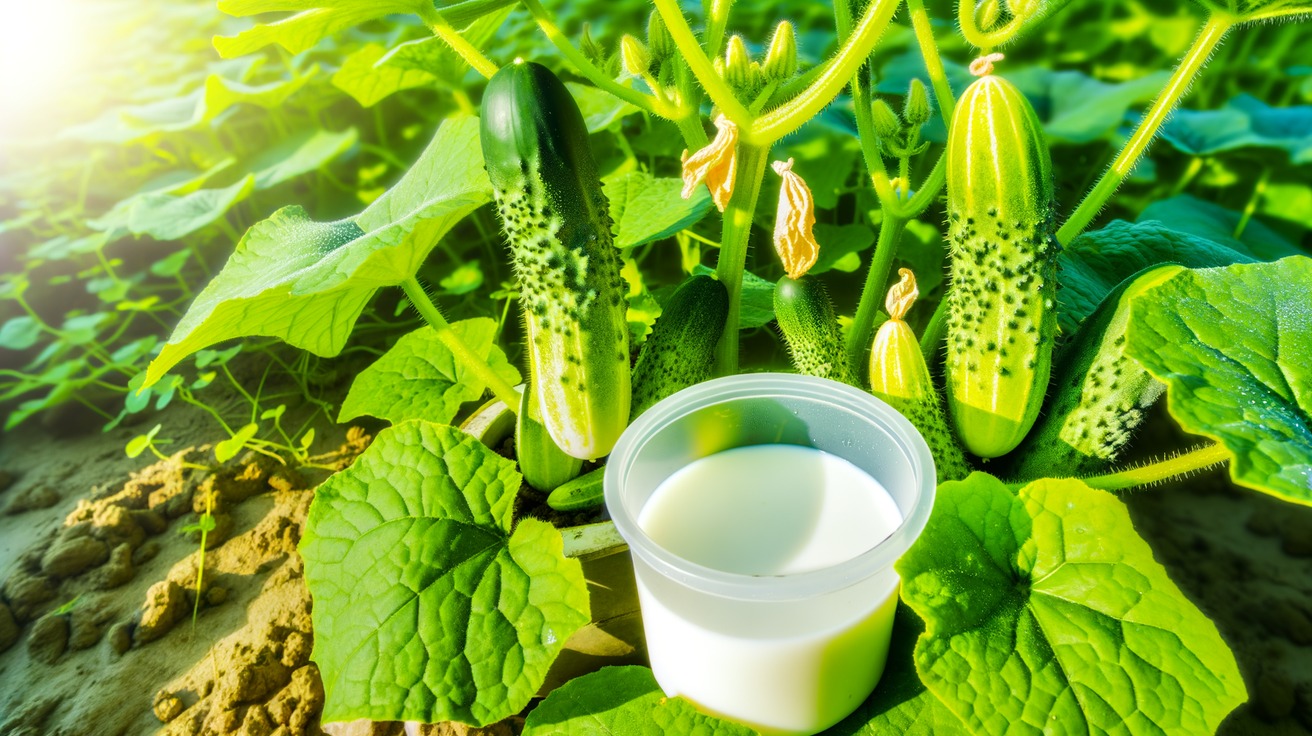
Frequent harvesting signals crops to keep flowering. This is critical for cucumbers, beans, courgettes, and many herbs. Removing overripe fruit reduces pest attraction and improves airflow around plants.
Succession sowing prevents late-season gaps
January is the month that separates “one big harvest” gardens from steady gardens. Re-sow quick crops and refill empty spaces. Focus on fast-maturing vegetables and herbs suited to warm soil.
Train and support plants before they fail
Check ties on tomatoes, cucumbers, beans, and any heavy fruiting plants. Stem breakage often happens in January when growth is fastest. Good support reduces losses and improves sun exposure.
Feed strategically to support fruiting
Too much nitrogen in summer creates lush leaves with fewer flowers. Use balanced feeding, compost, and gentle liquid feeds. Watch plant signals: pale growth often needs nutrition; dark, overly leafy plants often need less nitrogen and more focus on flowering support.
Table: January Garden To Do List (Global Overview by Zone)
| Global Zone | January Garden Focus | Top 5 Tasks | Common Mistake to Avoid |
|---|---|---|---|
| Northern Hemisphere Cold Winter | Protect and prepare | Check covers, remove hazards, sanitize debris, tool maintenance, plan seed-starting | Overwatering dormant plants or pruning during extreme cold |
| Northern Hemisphere Mild Winter / Mediterranean | Grow cool-season crops | Plant greens, manage moisture, prune for structure, weed early, mulch/compost top-up | Ignoring airflow and encouraging fungal disease |
| Tropical & Subtropical | Follow rainfall patterns | Improve drainage or mulch heavily, stake crops, weekly pest scouting, smart spacing, soil cover | Planting without accounting for wet/dry season reality |
| Southern Hemisphere Summer | Manage growth and extend harvests | Deep watering, harvest often, succession sowing, plant training, balanced feeding | Panic-watering and letting plants over-ripen |
A Simple January Routine That Works Anywhere
If you want one repeatable system that applies globally, use this weekly rhythm:
- One day for inspection (pests, disease, irrigation problems, wind damage)
- One day for correction (weeding, pruning, re-tying, cleaning)
- One day for improvement (mulch, compost top-up, sowing, replacements)
This approach keeps problems small. Gardens rarely fail from one dramatic event; they fail from small issues left unattended for weeks.
FAQ – January Garden To Do List (Worldwide)
1. Why does a January garden checklist look different around the world?
Because January occurs in different seasons depending on hemisphere and climate zone.
2. What is the most important January garden task everywhere?
Regular inspection. Catching issues early prevents most major problems later.
3. Should I water in January during winter climates?
Only when soil is not frozen and plants risk drying out, especially evergreens.
4. What can I plant in January in mild winter climates?
Cool-season vegetables like leafy greens, brassicas, and many roots.
5. Is January a good month to prune?
In many climates yes, but pruning depends on plant type, dormancy, and weather conditions.
6. What matters most in tropical gardens in January?
Rainfall pattern: drainage in wet season, moisture retention and shading in dry season.
7. What should Southern Hemisphere gardeners prioritize in January?
Harvesting, watering efficiency, plant support, and succession sowing.
8. How do I prevent fungal disease during a damp January?
Improve airflow, avoid wet leaves overnight, remove infected foliage, and water early.
9. What is the biggest January mistake gardeners make?
Following advice for the wrong climate zone and applying it blindly.
10. Do I need to fertilize in January?
Only if plants are actively growing and showing need; dormant plants generally do not benefit.
Discussion (0)
No comments yet. Be the first to start the conversation!
Leave a Reply