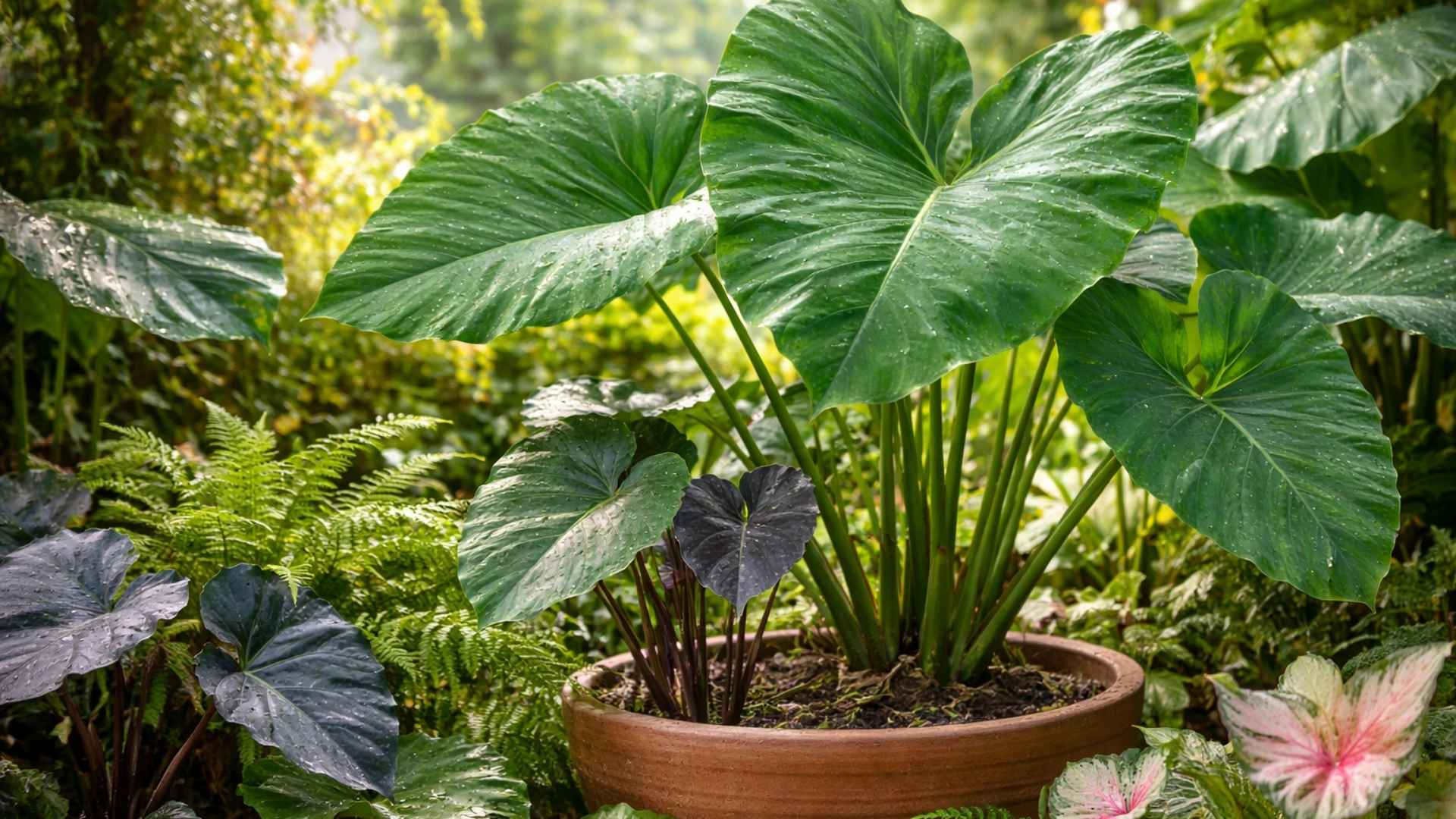
The elephant ear plant, botanically known as Colocasia, is one of the most dramatic foliage plants grown worldwide. Its oversized, heart-shaped leaves instantly create a tropical atmosphere—whether planted in a garden, greenhouse, or large container indoors.
While often admired purely for its ornamental value, Colocasia has a long agricultural history as well. One species, Colocasia esculenta, is cultivated globally for its large, starch-rich tubers. This dual role makes the elephant ear plant both visually striking and botanically fascinating.
Despite its exotic appearance, Colocasia is surprisingly manageable when its core needs are understood.
What Is an Elephant Ear Plant?
Elephant ear plants belong to the Araceae (arum) family and include around 16 recognized species, native primarily to tropical and subtropical regions of Asia. Some species are regionally endemic, while others have spread worldwide through cultivation.
The name “elephant ear” comes from the plant’s large, soft, drooping leaves, which can reach impressive sizes under the right conditions. Leaf color varies by variety and can include:
- deep green,
- blue-green,
- purple,
- almost black tones.
Ideal Growing Conditions for Colocasia
Colocasia thrives when its environment mimics the warm, humid conditions of its native habitat.
Temperature
- Optimal range: 20–30°C (68–86°F)
- Growth slows below 15°C (59°F)
- Frost-sensitive and not cold-hardy
Light
- Bright, indirect light or partial sun
- Morning sun with afternoon shade is ideal outdoors
- Indoors: near a bright window, but protected from harsh midday sun
Too little light leads to smaller leaves; too much direct sun can scorch them.
Soil Requirements
Healthy elephant ear plants depend on rich, moisture-retentive but well-draining soil.
Best soil mix:
- high-quality compost or humus,
- loamy garden soil,
- added perlite or coarse sand for airflow.
Colocasia prefers slightly acidic to neutral soil (pH 5.5–7.0). Poor, compacted soil will limit leaf size and overall vigor.
Watering: The Key to Success
Water is the single most important factor in growing elephant ear plants successfully.
- Soil should remain consistently moist
- Never allow complete drying during active growth
- Avoid standing water unless grown as a marginal pond plant
In hot climates, daily watering may be necessary. In containers, ensure excellent drainage while maintaining constant moisture.
Wilting leaves are often a sign of temporary water stress, not permanent damage—rapid rehydration usually restores them.
Fertilizing Elephant Ear Plants
Colocasia is a heavy feeder, especially when grown for ornamental foliage.
Recommended fertilization:
- balanced liquid fertilizer every 10–14 days during active growth,
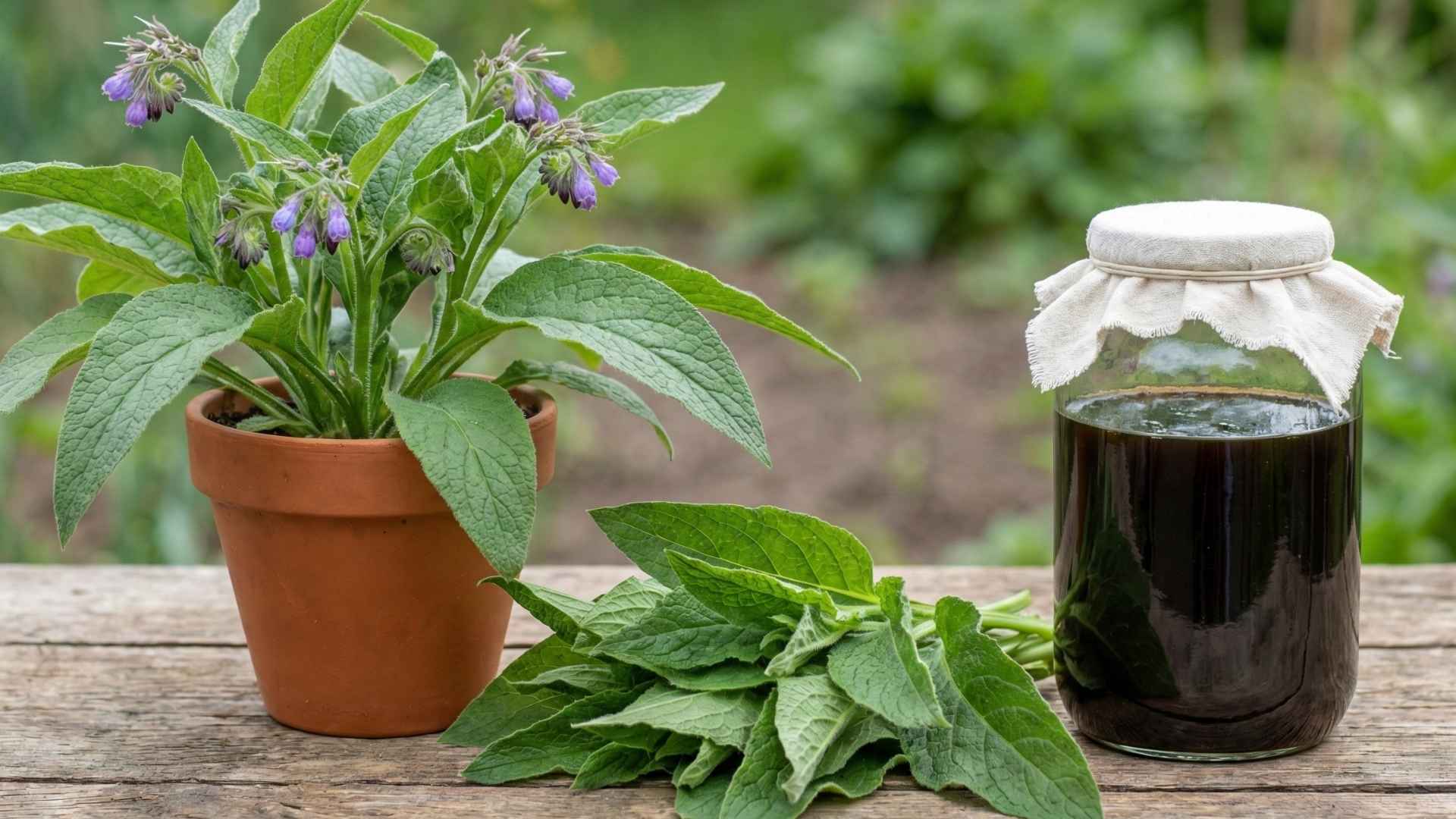
- organic options such as compost tea or diluted plant-based feeds work well,
- higher nitrogen supports leaf size and color.
During late autumn and winter, feeding should be reduced or stopped entirely as growth slows.
Growing Elephant Ear in Containers
Elephant ear plants adapt extremely well to large containers, making them suitable for patios, balconies, and indoor spaces.
Container tips:
- choose deep, wide pots,
- ensure drainage holes,
- use heavy containers to prevent tipping as leaves grow large.
Container-grown plants require more frequent watering and feeding than those planted in the ground.
Overwintering and Dormancy
In cooler climates, Colocasia enters a natural dormancy phase.
Options for overwintering:
- move containers indoors before temperatures drop,
- reduce watering and allow foliage to die back,
- store tubers in cool, dry conditions if grown outdoors.
Dormancy is normal and essential for long-term plant health. Growth resumes when warmth and light return.
Common Problems and Solutions
- Yellowing leaves: nutrient deficiency or inconsistent watering
- Small leaves: insufficient light or feeding
- Leaf damage: wind exposure or low humidity
Maintaining stable conditions prevents most issues.
Is Elephant Ear Plant Safe?
While visually stunning, Colocasia contains calcium oxalate crystals, making raw plant parts toxic if ingested. Gloves are recommended when handling sap, and plants should be kept away from pets and small children.
Cooked tubers of Colocasia esculenta are edible when properly prepared, but ornamental varieties are grown purely for display.
Why Elephant Ear Plants Are Worth Growing
Few plants match the architectural impact of an elephant ear. With proper water, nutrition, and warmth, Colocasia becomes a centerpiece—transforming ordinary spaces into lush, tropical environments.
It is not a fragile novelty plant. It is a powerful, fast-growing species that rewards attentive care with dramatic results.
FAQ – Elephant Ear Plant (Colocasia)
1. Is elephant ear plant easy to grow?
Yes, when given warmth, water, and nutrients, Colocasia grows quickly and reliably.
2. Can elephant ear plants grow indoors?
Yes, provided they receive bright light, high humidity, and consistent watering.
3. How big do elephant ear leaves get?
Depending on species and conditions, leaves can exceed 1 meter (3 feet) in length.
4. Does elephant ear plant need full sun?
Partial sun is best; intense midday sun can damage leaves.
5. How often should I water Colocasia?
As often as needed to keep soil consistently moist—sometimes daily in summer.
6. Is elephant ear plant perennial?
Yes, in warm climates. In colder regions, it behaves as a seasonal plant unless overwintered.
7. Can I grow elephant ear plant in water?
Some varieties tolerate pond edges or saturated soil but still require nutrients.
8. Why are my elephant ear leaves drooping?
Most commonly due to lack of water or sudden temperature changes.
9. Does Colocasia need fertilizer?
Yes. Heavy feeding is essential for large, healthy leaves.
10. Is elephant ear plant toxic?
Yes, raw plant parts are toxic if ingested and should be handled with care.
Discussion (0)
No comments yet. Be the first to start the conversation!
Leave a Reply