If you ask an experienced organic gardener what their secret weapon is, they won't point to a bottle of expensive synthetic blue liquid. They will point to a bubbling, foul-smelling bucket in the corner of their garden: Nettle Fertilizer Tea (often called Nettle Slurry or Jauche).
Stinging Nettle (Urtica dioica) is often despised as a painful weed, but it is actually a "dynamic accumulator." Its deep roots mine minerals from the subsoil—nitrogen, calcium, potassium, magnesium, and iron—and store them in the leaves. When we ferment these leaves in water, those nutrients are released, creating a biologically active elixir that plants can absorb instantly.
This guide is the only resource you need to master the art of making "Liquid Gold."
Part 1: Why Use Nettle Tea? (The Science)
It is not just about Nitrogen. While Nettle Tea is high in Nitrogen (essential for leafy growth), its real power lies in its biological properties.
- Chlorophyll Boost: The high iron content stimulates chlorophyll production. Pale, yellowing plants often turn deep green within 3 days of application.
- Immune System Support: The silicic acid and formic acid bacteria in the brew harden plant cell walls, making them tougher for aphids to puncture and more resistant to fungal spores (mildew).
- Soil Activator: Unlike chemical fertilizers which can kill soil life with salts, Nettle Tea feeds the earthworms and beneficial bacteria in your soil.
Part 2: How to Make Nettle Fertilizer (Step-by-Step)
Time required: 14-21 days Equipment: Plastic bucket (no metal!), gloves, stirring stick, water.
Step 1: Harvesting
Put on thick gloves and long sleeves. Harvest nettles in the spring or early summer before they flower.
- Why no flowers? If the nettles have gone to seed, the seeds may survive the fermentation process. You do not want to water weeds into your vegetable beds!
- Cut the stems about 5cm (2 inches) from the ground.
Step 2: The Setup
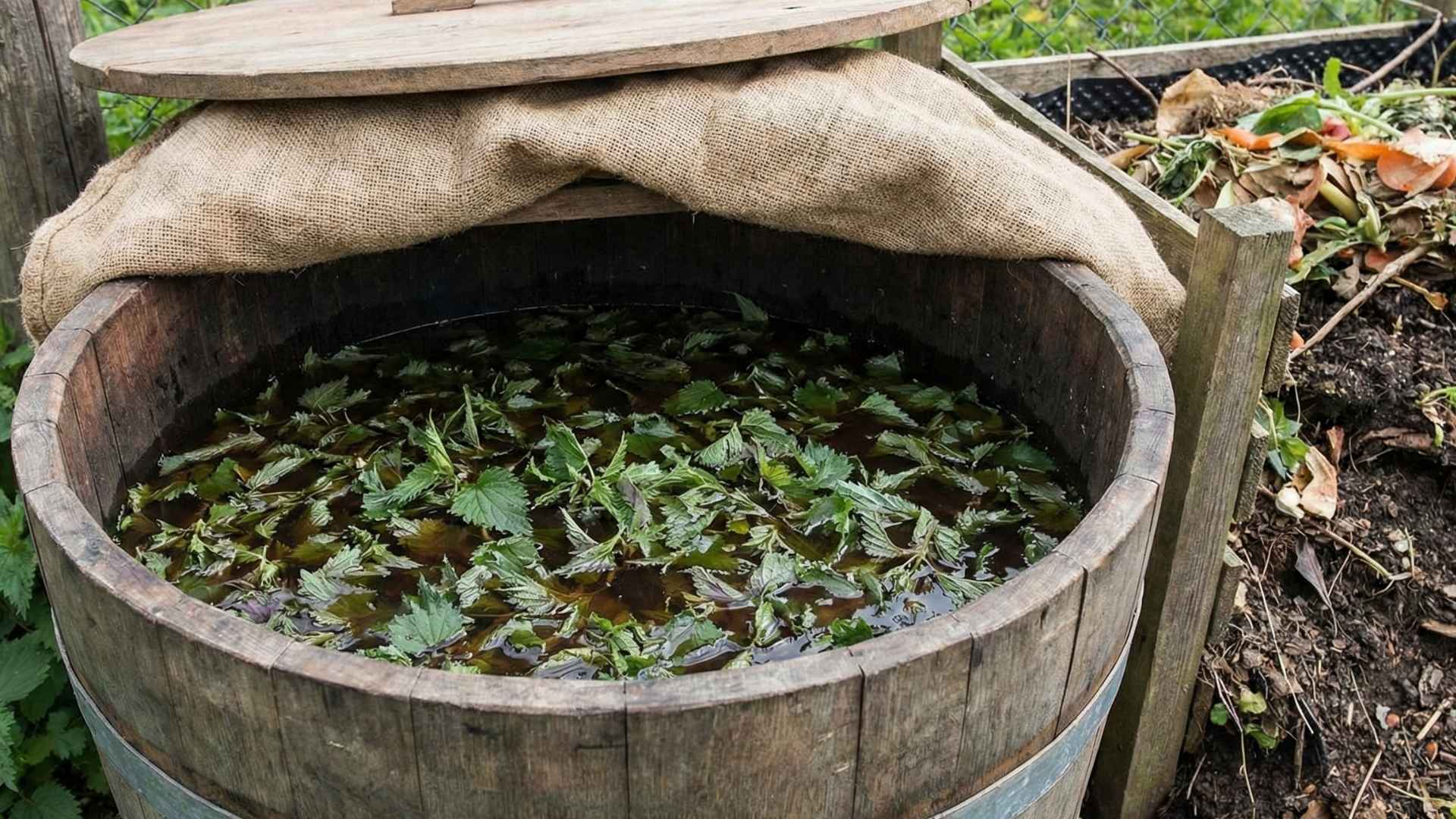
Roughly chop the nettles with garden shears (this speeds up decomposition). Pack them loosely into your plastic bucket or barrel until it is about 3/4 full.
Step 3: Add Water
Fill the bucket with water.
- Pro Tip: Use rainwater if possible. If using tap water, let it sit for 24 hours first to allow the chlorine to evaporate, as chlorine kills the bacteria needed for fermentation.
- Ensure the nettles are fully submerged. Place a stone or brick on top to weigh them down.
Step 4: Fermentation
Cover the bucket loosely with a lid or a wooden board. Do not seal it airtight—gases need to escape.
- Place the bucket in a sunny spot, but far away from your house.
- Warning: After 48 hours, it will smell terrible (like manure). This is a good sign! It means anaerobic fermentation is happening.
Step 5: Maintenance
Stir the mixture vigorously every 2 days to introduce a little oxygen and mix the sludge. You will see white foam bubbling on top.
Step 6: Completion
The tea is ready when it stops bubbling and has turned into a dark, smelly, green-brown liquid. In summer, this takes about 14 days. In cooler weather, up to 3 weeks.
Step 7: Strain
Filter the liquid through a coarse sieve or burlap sack into sealable bottles or jerrycans. Throw the leftover slimy plant matter onto your compost pile—it is an incredible compost activator.

Part 3: Dosage and Application (Crucial!)
NEVER use Nettle Tea undiluted. It is too strong and will burn your plant roots.
1. Root Drench (Standard Fertilizer)
- Ratio: 1 part Tea to 10 parts Water (1:10).
- Usage: Water around the base of plants.
- Frequency: Every 10-14 days during the active growing season (May–July).
2. Foliar Spray (Pest & Disease Prevention)
- Ratio: 1 part Tea to 20 parts Water (1:20).
- Usage: Spray directly onto leaves in the evening (avoid direct sun).
- Purpose: Helps fight aphids and strengthens leaves against mildew.
Part 4: Which Plants Love It (and Which Hate It)
| Plant Group | Suitability | Notes |
|---|---|---|
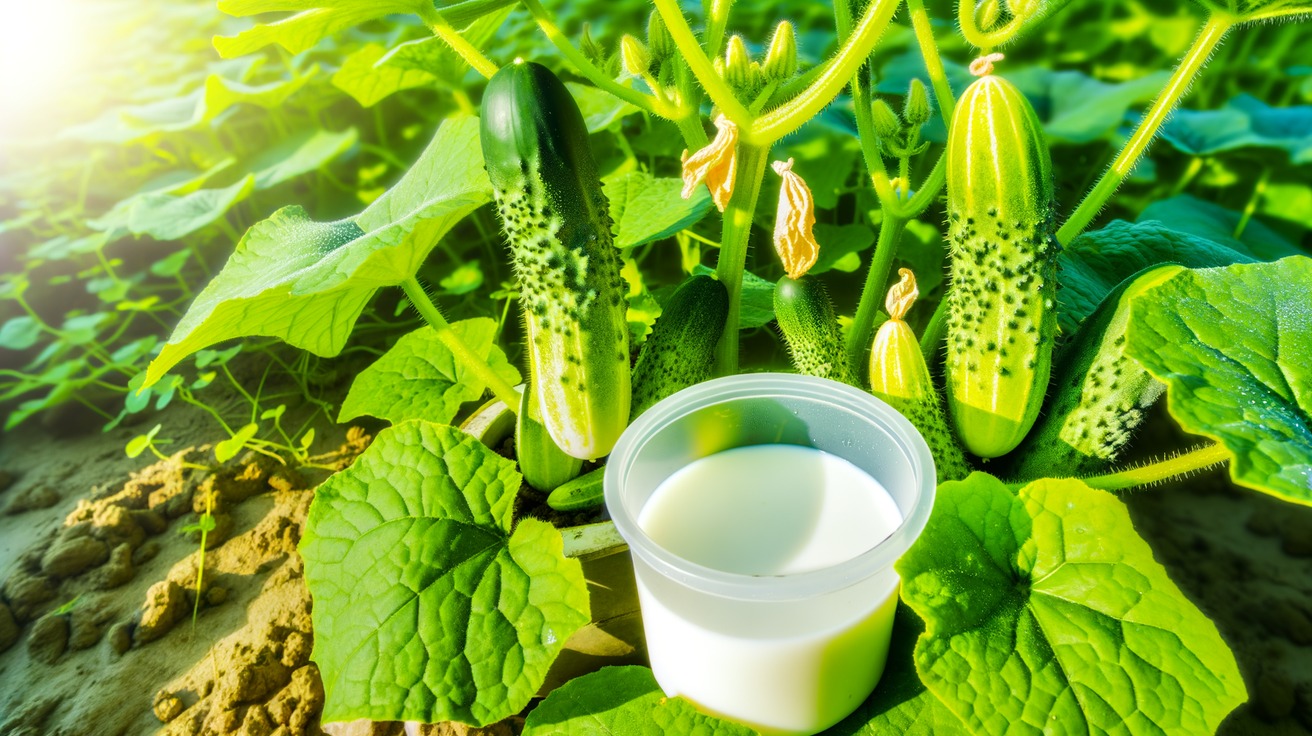
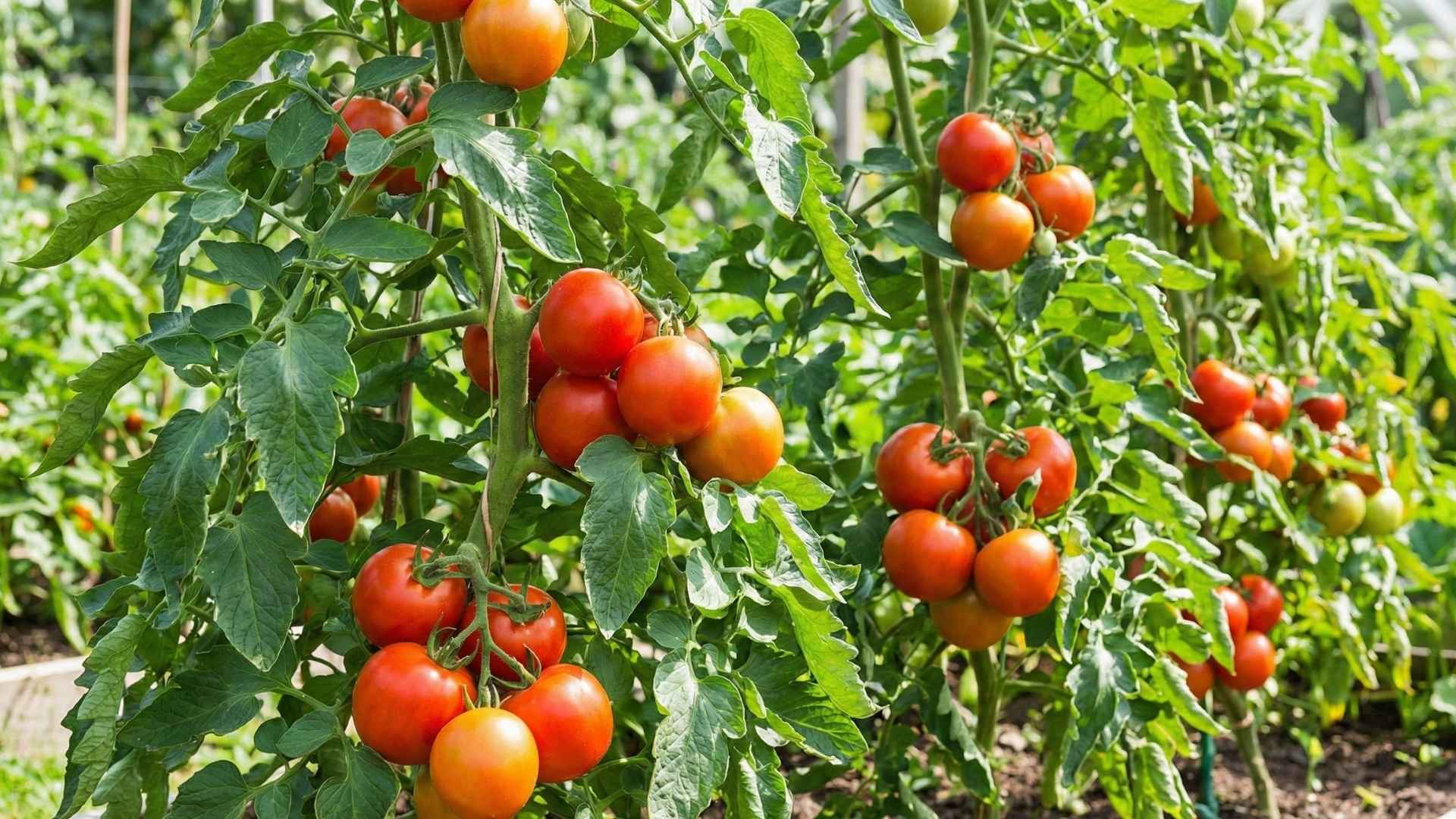
| Heavy Feeders | ⭐⭐⭐⭐⭐ | Tomatoes, Cucumbers, Zucchini, Pumpkins, Peppers, Cabbage, Broccoli. They crave the Nitrogen. |
| Leafy Greens | ⭐⭐⭐⭐ | Spinach, Chard, Lettuce. Promotes lush leaves. |
| Berry Bushes | ⭐⭐⭐ | Currants, Gooseberries, Raspberries. Apply in spring only. |
| Root Vegetables | ❌ Avoid | Carrots, Parsnips, Beetroot. Too much nitrogen causes "hairy" roots and poor flavor. |
| Legumes | ❌ Avoid | Peas, Beans. They fix their own nitrogen; extra nitrogen will reduce yield. |
Part 5: Extensive FAQ (Troubleshooting)
1. The smell is unbearable. Can I reduce it? Yes. Adding a handful of rock dust (basalt meal) or zeolite to the bucket during fermentation can significantly reduce the odor.
2. Can I use a metal bucket? No. The chemical reaction during fermentation creates acids that can corrode metal and leach unwanted metallic elements into your organic fertilizer. Always use plastic, wood, or ceramic.
3. I see white maggots in the bucket. Is it ruined? No, it is fine. These are likely "rat-tailed maggots" (hoverfly larvae). They thrive in stagnant water. Hoverflies are beneficial pollinators, so you can ignore them or scoop them out.
4. Can I use flowering nettles? It is risky. If the seeds are mature, they might not decompose fully. You risk spreading nettles all over your vegetable patch. It is safer to use young nettles.
5. How long can I store the finished liquid? If you strain it well and keep it in a sealed container in a cool, dark place, it lasts for 6 to 12 months. It will still smell bad when you open it, but it remains effective.
6. Is it safe for pets? The concentrated sludge is unpleasant and can cause stomach upset if a dog drinks a lot of it, but it is not lethal like some chemical fertilizers. Once diluted in the soil, it is perfectly safe.
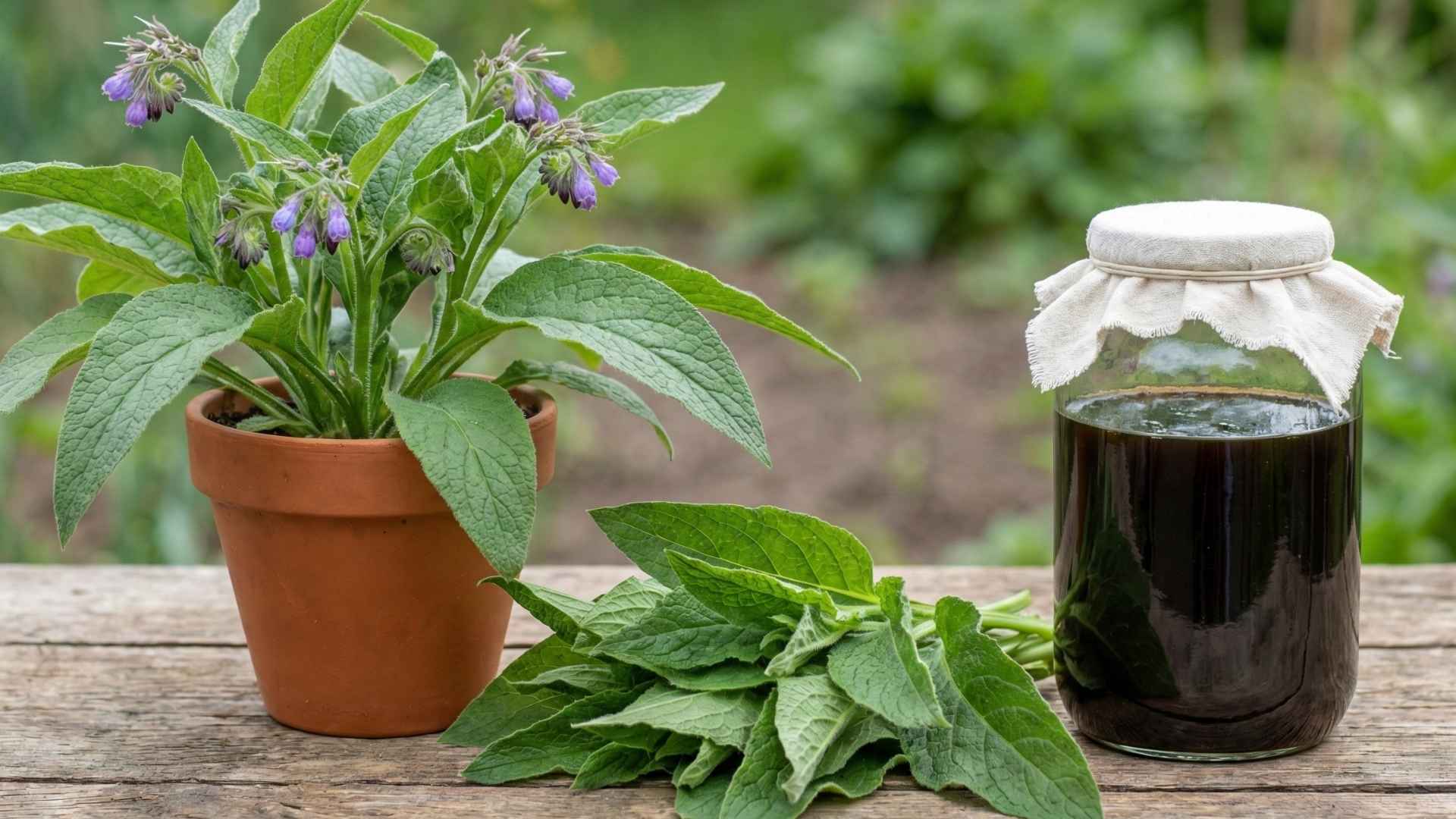
7. Can I mix nettles with other plants? Absolutely. Comfrey (Symphytum) is the best partner. While nettles provide Nitrogen (for leaves), Comfrey provides Potassium (for flowers and fruit). Mixing them creates a perfect "complete" fertilizer.
8. When should I STOP using it? Stop using nitrogen-rich fertilizers like nettle tea by mid-August. You want plant growth to slow down before winter; otherwise, new soft growth will be killed by frost.
9. Can I use it on indoor houseplants? Technically yes, but due to the smell, it is highly discouraged unless you have a very well-ventilated space.
10. Why did my plants turn yellow after using it? You likely used it undiluted or the solution was too strong (root burn). Flush the soil with plenty of plain water to wash away the excess salts.
11. Does it change soil pH? Nettle tea is slightly alkaline to neutral. It generally buffers acidic soil but won't drastically change pH in the long run if used correctly.
12. Can I use dried nettles? Yes! If you don't have fresh nettles, buy dried nettle herbs. Use about 200g of dried nettles per 10 Liters of water.
13. Is the "12-hour soak" different from fermentation? Yes. Soaking nettles for just 12-24 hours creates a "burning sting" liquid used as an aphid spray. It is NOT a fertilizer yet because the nutrients haven't broken down.
14. Can I put the leftover sludge in the worm bin? Yes, compost worms love the processed nettle sludge. It is easy for them to digest.
15. Is it better than chemical fertilizer? For long-term soil health, yes. Chemicals feed the plant but starve the soil. Nettle tea builds a living soil ecosystem that supports plants for years.
Discussion (4)
This is good idea for me
das kaine grenzen
very simple area fuck
dis is de greate
Leave a Reply