Every gardener knows the frustration of tired, depleted soil. You add compost, dig, mix—and somehow the results still fall short. The truth is uncomfortable but simple: trying to improve all the soil at once is often inefficient, especially when compost is limited.
What if, instead of feeding the entire garden, you fed the plants exactly where they need it most?
This article explains a proven, low-effort strategy that turns poor soil into a thriving growing environment by creating nutrient pockets—small, powerful zones of fertility placed directly in the path of plant roots. Think of it as installing fuel stations underground instead of watering the whole desert.
Why Poor Soil Doesn’t Mean Poor Harvests
Soil exhaustion is common in home gardens. Years of planting without replenishing organic matter lead to:
- weak root systems,
- pale, slow-growing plants,
- poor flowering and low yields.
But plants don’t absorb nutrients evenly from the entire bed. Roots search locally, responding to concentrated zones of moisture, microbes, and minerals. When nutrients are placed precisely where roots grow, plants respond faster and stronger.
This is where targeted soil enrichment changes everything.
The Core Idea: Create Nutrient Hotspots, Not Uniform Beds
Instead of spreading compost thinly across the whole surface, this method focuses on localized enrichment. Each planting spot becomes a miniature ecosystem:
- rich in organic matter,
- biologically active,
- balanced in key nutrients.
Over time, soil life expands outward from these points, gradually improving the surrounding ground as well.
Step-by-Step: How to Create Nutrient Pockets in Any Garden
This approach works in open ground, raised beds, and large containers.
1. Plan and Mark Your Planting Spots
Decide where each plant will grow and mark the positions clearly. Proper spacing matters—plants need room for roots, airflow, and light. Concentration works only when competition is controlled.
2. Dig Generous Planting Holes
Each hole should be large enough to:
- hold organic material,
- mix with native soil,
- allow roots to expand freely.
Think bigger than a standard transplant hole. Volume equals long-term nutrition.
3. Add Organic Matter at the Base
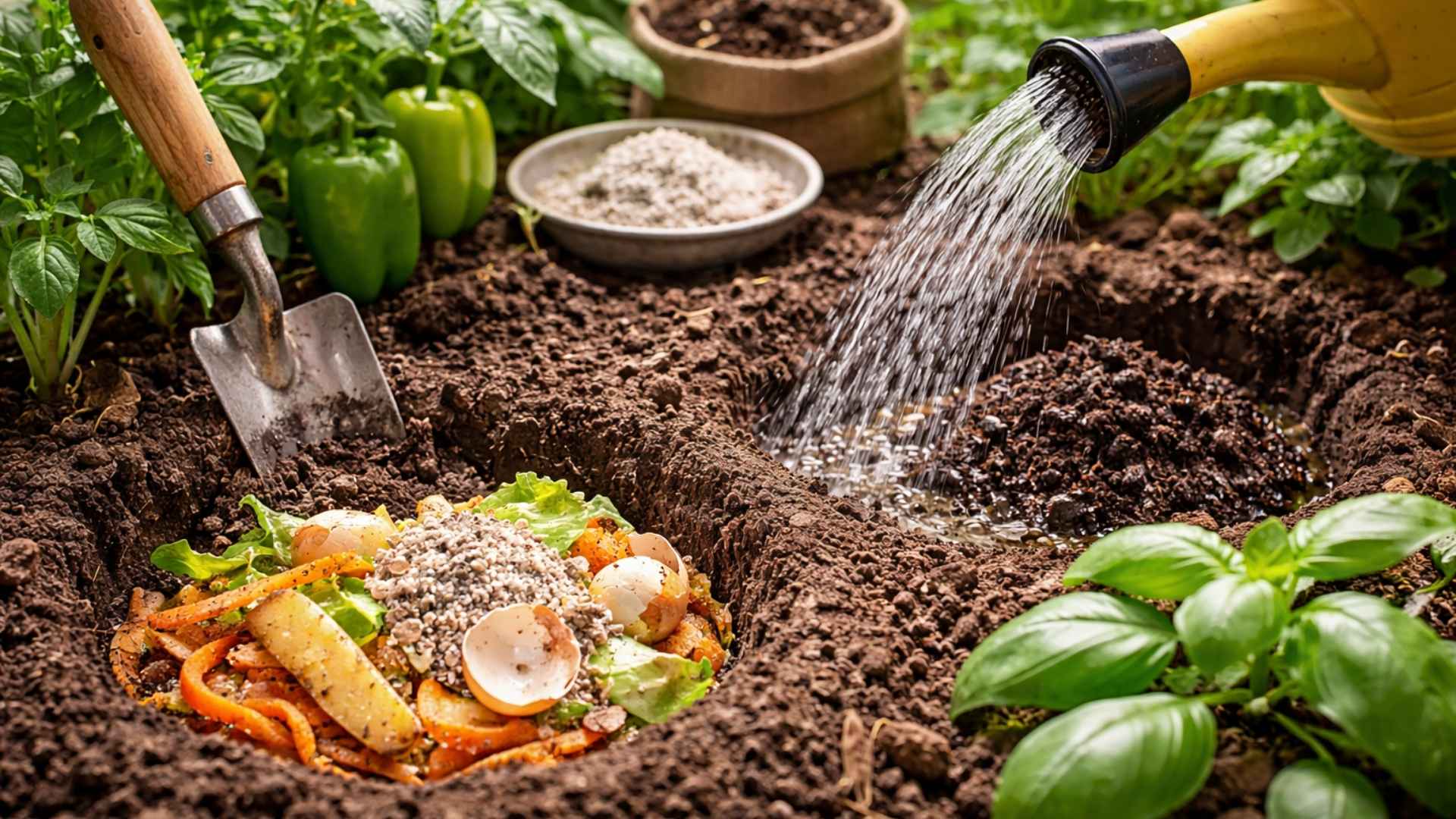
Place biodegradable materials at the bottom of the hole:
- vegetable peels,
- fruit scraps,
- dry leaves,
- plant trimmings.
As they decompose, they slowly release nitrogen and stimulate microbial activity. This becomes a long-term nutrient reserve, not a quick fix.
4. Boost with Natural Minerals (Optional but Powerful)
To strengthen root development, add a small amount of mineral support:
- bone-based amendments for phosphorus and calcium,
- or wood ash for potassium and gentle pH adjustment.
Only small quantities are needed. If none are available, organic matter alone still delivers results.
5. Cap with Compost or Garden Soil
Cover the organic layer with compost if you have it. Even a thin layer works when concentrated. If compost is scarce, regular garden soil is enough to seal the pocket and prevent odors or pests.
6. Water Thoroughly
Moisture activates everything:
- microbial breakdown,
- nutrient release,
- root attraction.
Water deeply so the entire pocket becomes biologically active.
7. Plant Immediately—or Wait Briefly
You can plant right away, or wait one to two weeks. Waiting allows decomposition to begin, creating an even richer environment for young roots. Both approaches work, depending on timing and crop type.
8. Observe and Support
Remember where your nutrient pockets are. Plants growing above them often:
- establish faster,
- develop darker leaves,
- show stronger early growth.
Mulching and consistent watering help extend the benefits.
Why This Method Works So Well
This system aligns with how plants and soil biology naturally function:
- Roots grow toward nutrient-rich zones.
- Microbes multiply where organic matter exists.
- Nutrients spread outward gradually over time.
Instead of diluting fertility across poor soil, you concentrate life where it matters most.
Best Crops for Nutrient Pocket Gardening
This technique is especially effective for:
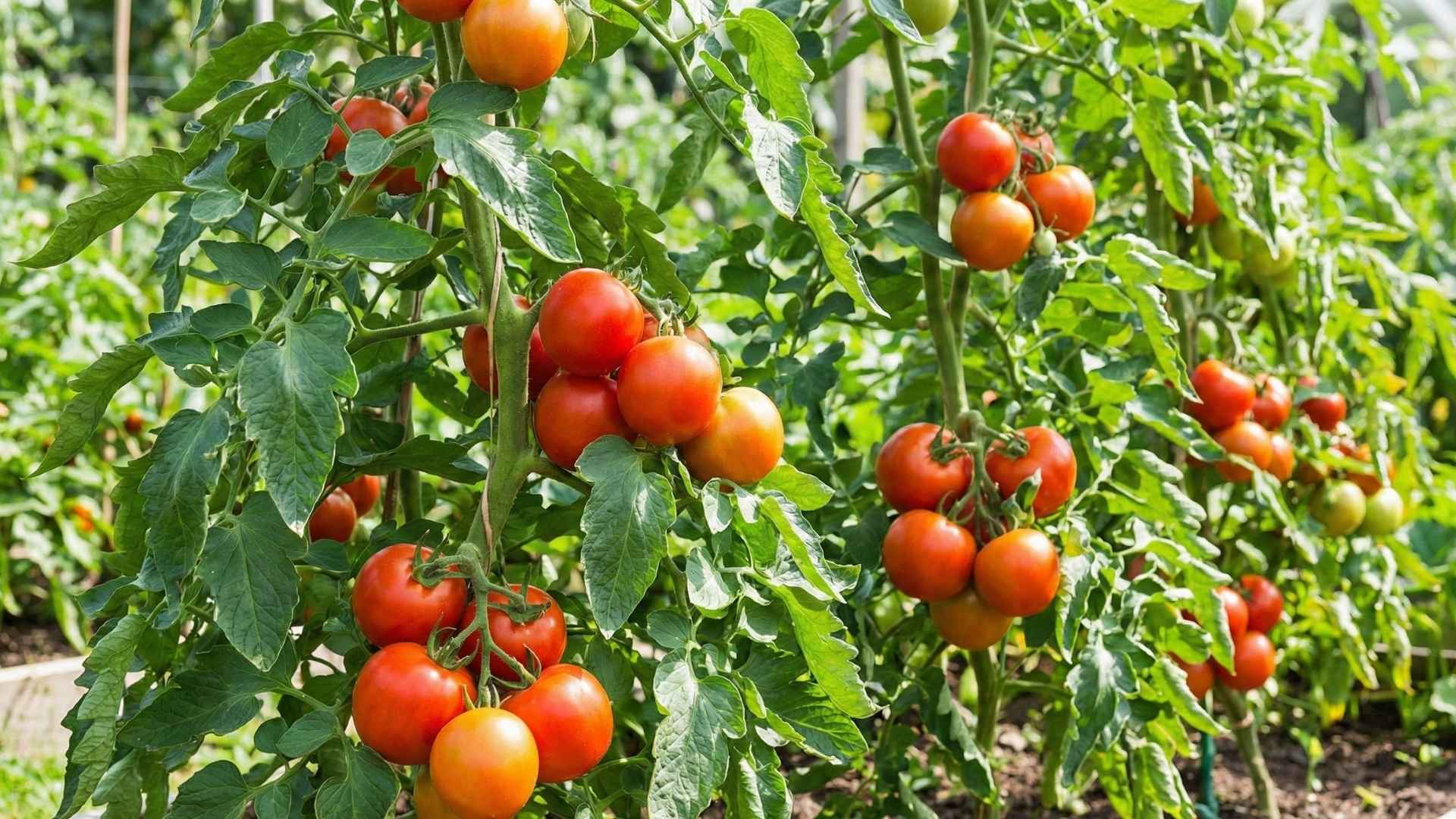
- tomatoes,
- peppers,
- squash,
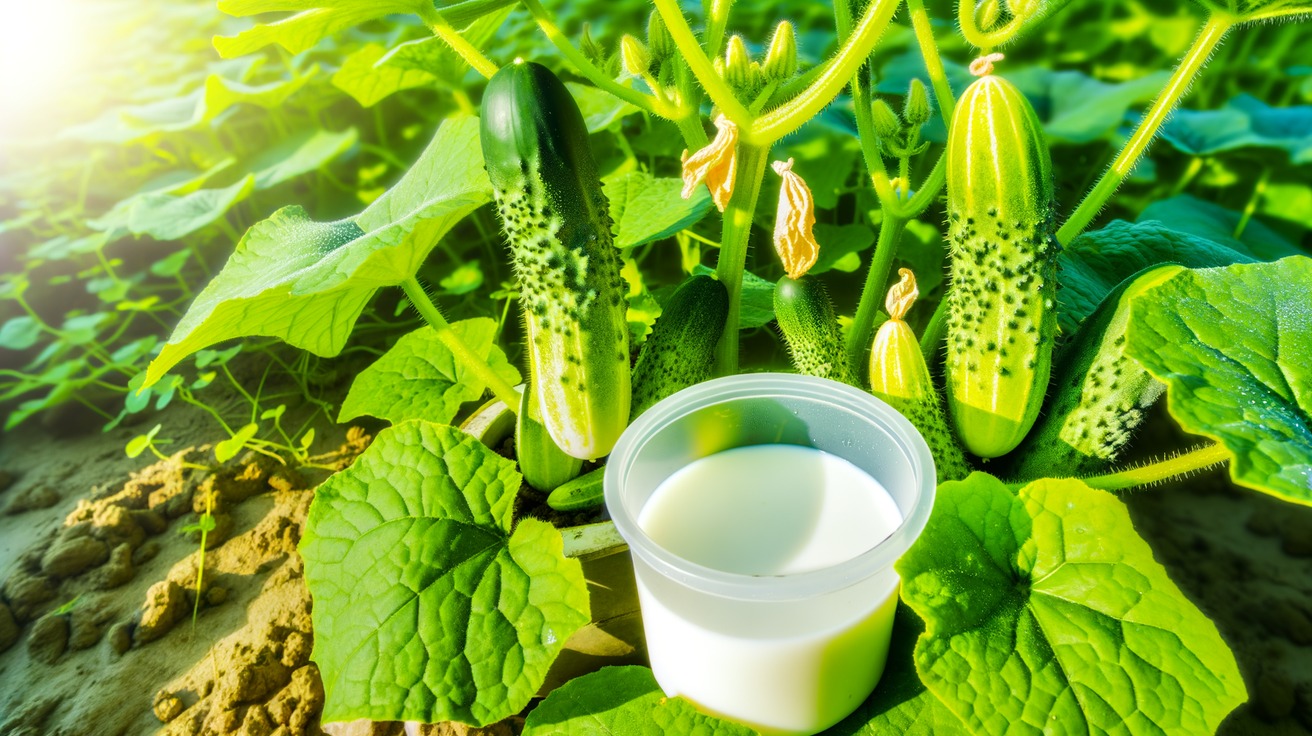
- cucumbers,
- leafy greens,
- flowering ornamentals with high nutrient demand.
Even in low-quality soil, these plants can thrive when their root zone is properly fed.
Long-Term Benefits Beyond One Season
With repeated use, nutrient pockets:
- improve soil structure,
- increase earthworm activity,
- enhance water retention,
- reduce dependence on synthetic fertilizers.
Over time, what started as isolated fertile zones begins to heal the entire garden bed.
FAQ – Targeted Soil Enrichment
1. Is this better than spreading compost everywhere?
Yes, especially when compost is limited. Concentration delivers stronger results.
2. Will kitchen scraps attract pests?
Not when buried properly and covered with soil or compost.
3. Can this method burn plants?
No. Decomposition is gradual and root-safe when layered correctly.
4. Does it work in containers?
Absolutely. It’s ideal for large pots and grow bags.
5. How long does the effect last?
Several months, often the entire growing season.
6. Can I reuse the same spot next year?
Yes. Refresh with new organic matter before planting.
7. Is compost mandatory?
No. Compost enhances the system but is not required.
8. Does this replace fertilizing?
It reduces the need significantly but doesn’t eliminate all supplementation.
9. Will nutrients spread beyond the pocket?
Yes, gradually through microbial activity and root movement.
10. Is this suitable for beginners?
Yes. It’s simple, forgiving, and highly effective.
Healthy gardens aren’t built by force—they’re built by working with biology. By feeding plants where they actually eat, you turn even exhausted soil into productive ground. Not by miracles, but by smart placement and patience.
Discussion (0)
No comments yet. Be the first to start the conversation!
Leave a Reply