Kickstart Your Gardening Journey: Top Vegetables to Grow for Beginners!
It was a sunny afternoon, and I found myself in the middle of my dull backyard, a place that had long become a gathering point for withered leaves and restless dreams. You see, my grandmother was a passionate gardener, her backyard a green haven that buzzed with life, and I had spent many childhood summers by her side. In my bustling adult life, I felt an urge to reconnect with those simple joys. So, with a trowel in hand and memories in my heart, I took the first step toward transforming my barren space into a vibrant garden. Little did I know, this humble beginning would flourish into a lifelong passion.
Discover the Joy of Gardening
Starting a garden can be a transformative journey. Not only do you get to nurture life, but you also get fresh, home-grown produce that is as rewarding as it is delicious. So, whether you have a sprawling backyard or a few pots on a balcony, here's a guide to help you sprout your first green thumb by growing the best vegetables for beginners.
Why Grow Your Own Vegetables?
Health Benefits
Growing your own vegetables ensures that you consume fresh and chemical-free produce. Home-grown vegetables are packed with nutrients, often more so than store-bought varieties.
Cost-Effective
Cultivating your own vegetables can also save you money. Once your garden is up and running, you'll find that the cost of seeds and tools is significantly lower than buying veggies regularly.
Personal Satisfaction
There's a unique sense of achievement in watching the seeds you plant grow into bountiful harvests. This satisfaction is a great motivator for many gardening enthusiasts.
The Best Vegetables for Beginners
Radishes
Radishes are one of the easiest and quickest vegetables you can grow. They are perfect for beginners because they sprout fast, maturing in as little as three weeks!
Planting Tips
- When to Plant: Early spring or fall for best results.
- Soil Requirements: Well-drained, loamy soil.
- Spacing: Sow seeds half an inch deep and one inch apart.
Radishes are not only quick growers but also add a crunchy zest to your salads!
Lettuce
Growing lettuce is akin to creating a salad garden at your fingertips. It's simple to cultivate and thrives in cooler weather.
Planting Tips
- When to Plant: Early spring or fall.
- Soil Requirements: Moist, fertile soil with good drainage.
- Spacing: Rows 12-18 inches apart, with plants spaced about 6 inches.
By growing your own lettuce, you'll always have fresh greens for your salads and sandwiches.
Carrots
Carrots can be slightly more challenging but are highly rewarding. These root vegetables are known for their sweet taste and vibrant color.
Planting Tips
- When to Plant: Early spring.
- Soil Requirements: Loose, sandy soil free from large clumps.
- Spacing: Sow seeds thinly, about a quarter inch deep, with rows 12-18 inches apart.
Regularly harvesting these delicious orange roots will become gratifying as you get used to their whims.
Spinach
Spinach is another easy-to-grow vegetable that's full of nutrients, adding a deliciously earthy flavor to your dishes.
Planting Tips
- When to Plant: Early spring or late summer.
- Soil Requirements: Rich, moist soil with good drainage.
- Spacing: Plants should be sown thinly, with rows 12-18 inches apart.
Spinach is a versatile leafy green that can be cooked or used in salads, making it a staple for many.
Zucchini
Zucchini is a very productive crop, with a single plant often providing more than enough for a family.
Planting Tips
- When to Plant: Late spring, after the danger of frost has passed.
- Soil Requirements: Fertile, well-drained soil.
- Spacing: About 3 feet apart to allow room for growth.
This squash is known for its ease of growth and can be used in a variety of recipes, from sautéed dishes to bread.
Green Beans
Green beans are not only easy to grow but also require minimal maintenance, making them perfect for beginners.
Planting Tips
- When to Plant: Late spring or early summer.
- Soil Requirements: Rich, well-drained soil.
- Spacing: Plant seeds about 1 inch deep and 2-3 inches apart.
They are a great snack to munch on straight from the vine and add a fresh crunch to any meal.
Bell Peppers
For a splash of color and flavor, bell peppers are a must-have in your garden. They thrive in warm climates and are simple to grow with a bit of tender care.
Planting Tips
- When to Plant: Late spring.
- Soil Requirements: Well-drained soil, enriched with compost.
- Spacing: Plant 18-24 inches apart.
These vibrant fruits can be eaten raw or cooked, enhancing the flavor and color of your dishes.
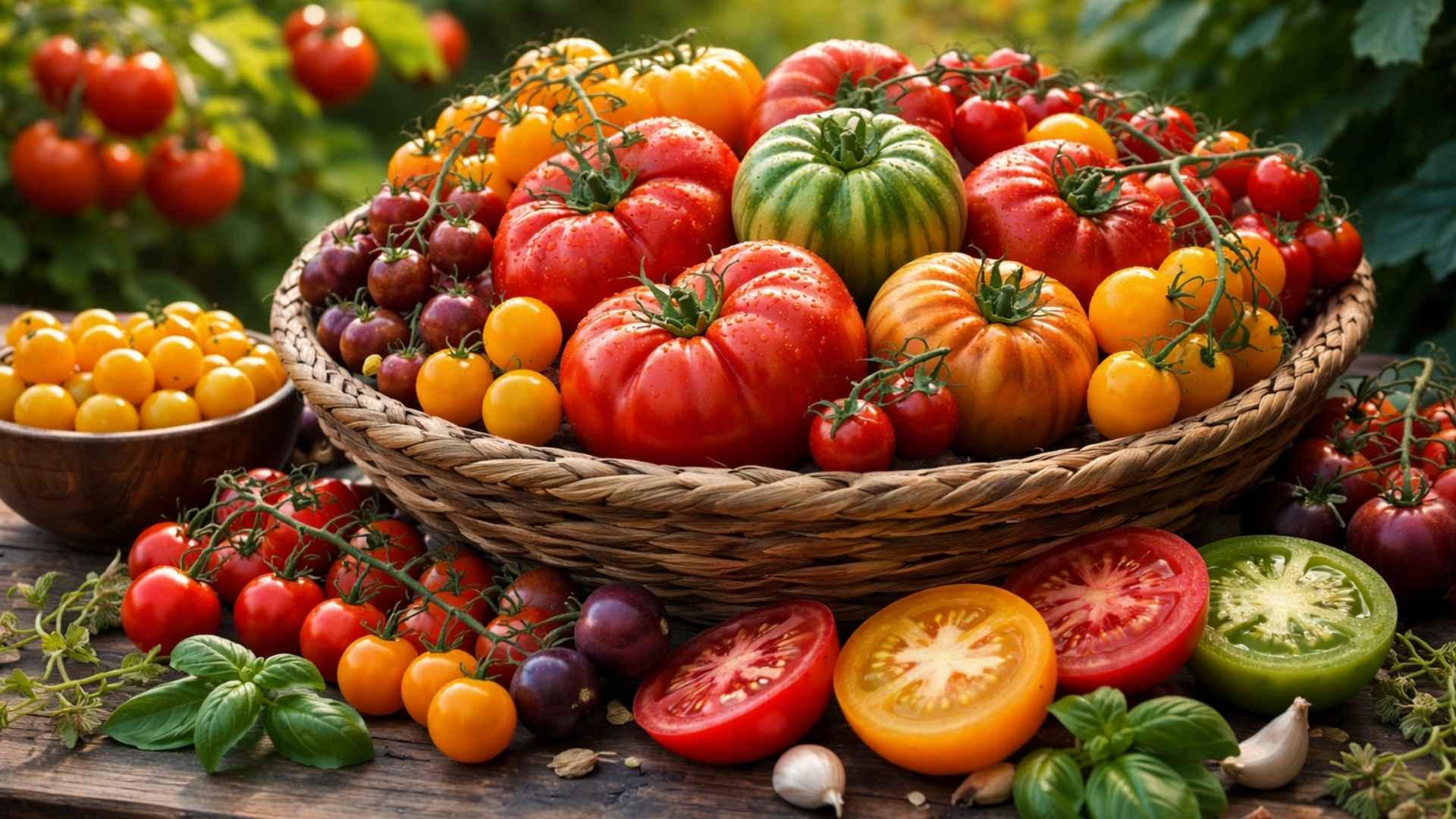
Tomatoes
Tomatoes are perhaps the most popular crop for home gardens, and for a good reason. With countless varieties, you'll find one that suits your garden's conditions.
Planting Tips
- When to Plant: Late spring after the last frost.
- Soil Requirements: Well-drained soil, rich in organic matter.
- Spacing: Plant them 18-24 inches apart in rows that are 3-4 feet apart.
Packed with flavor, home-grown tomatoes are much tastier than store-bought ones.
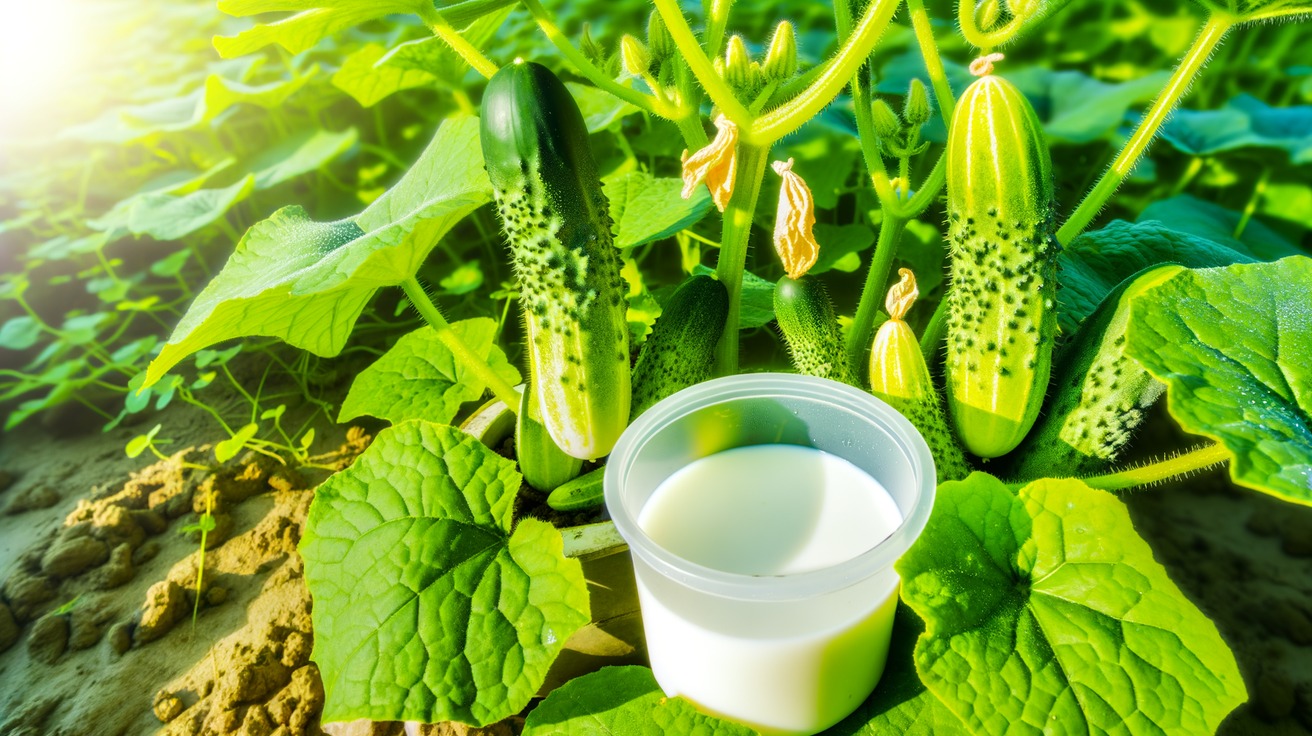
Cucumbers
Whether you prefer them in a salad or pickled, cucumbers are a staple summer vegetable that's easy to grow.
Planting Tips
- When to Plant: Late spring.
- Soil Requirements: Fertile soil that retains moisture.
- Spacing: Plant seeds about 1 inch deep and 3 feet apart.
They grow quickly and can be quite prolific, so ensure you have a plan for harvesting and using them.
Onions
A versatile ingredient in many dishes, onions are relatively easy to grow and can be harvested as green or mature onions.
Planting Tips
- When to Plant: Early spring or fall for overwintering.
- Soil Requirements: Well-drained soil, high in organic matter.
- Spacing: Plant sets or seeds 1 inch deep and 4-6 inches apart.
With onions, you'll always have a flavorful addition ready for soups, stews, and a variety of dishes.
Frequently Asked Questions
1. What vegetables are best for a beginner gardener?
Radishes, lettuce, and spinach are some of the easiest vegetables to start with due to their low maintenance and quick growth.
2. How much sunlight do vegetable plants need?
Most vegetables require 6 to 8 hours of direct sunlight per day for optimal growth.
3. Can I grow vegetables indoors?
Yes, provided they have sufficient light and the right conditions, you can grow certain vegetables like herbs and salad greens indoors.
4. How often should I water my vegetable garden?
It depends on your climate, but generally, you should aim to keep the soil consistently moist. Water deeply but less frequently to encourage strong root systems.
5. What is the best soil for vegetable gardening?
A mix of loam soil, rich in organic matter with good drainage, is ideal for most vegetables.
6. Do I need fertilizers for my vegetable garden?
While not always necessary, using a balanced, organic fertilizer can help improve the quality and yield of your crops.
7. How do I deal with common vegetable garden pests?
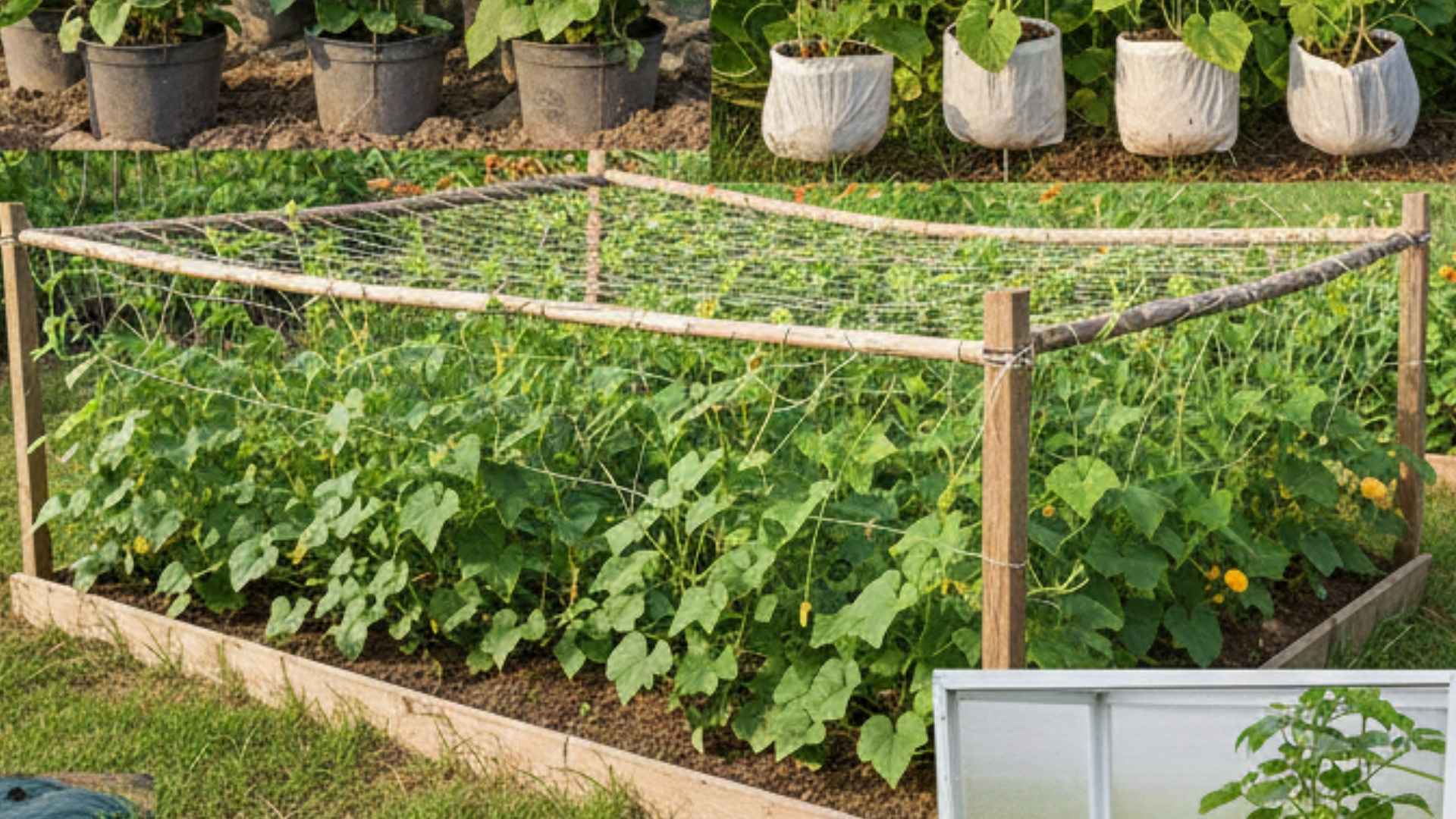
Encourage beneficial insects, use netting, and consider organic solutions like neem oil or insecticidal soap to manage pests.
8. Is it possible to grow vegetables from scraps?
Yes, many vegetables like lettuce, green onions, and potatoes can be regrown from scraps with some patience and care.
9. How can I maximize space in a small garden?
Consider vertical gardening or choose compact plant varieties to make the most out of limited space.
10. Can I grow vegetables year-round?
With the use of greenhouses or indoors with grow lights, you can extend your growing season and enjoy fresh produce year-round.
Conclusion
Embarking on your gardening journey doesn't have to be daunting. By starting with the right crops and nurturing them with care, you'll find your empty patch of land transforming into a bountiful garden filled with colors and flavors that delight the senses. With these beginner-friendly vegetables, you'll soon discover the peace, satisfaction, and joy of growing your own food. Remember, every gardener started just where you are—a beginner. So, dig in, start planting, and watch as your garden, and your confidence, grow with every sprout. Happy gardening!
Discussion (0)
No comments yet. Be the first to start the conversation!
Leave a Reply